



Spreader Boots
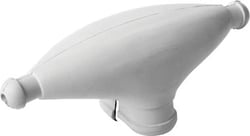


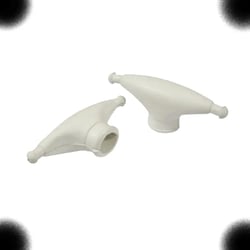

 Representative Photo, actual item may vary

 Representative Photo, actual item may vary

 Representative Photo, actual item may vary
What Are Spreader Boots?
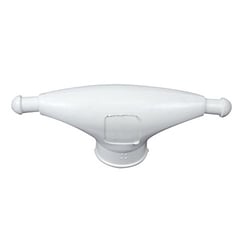
Spreader boots are protective covers fitted over the outer tips of a sailboat's spreaders — the horizontal struts that extend from the mast to hold the shrouds at an angle away from the spar. A smooth spreader boot fitted at the outer end of a spreader protects sails from chafe damage that would arise from rubbing against the end of the spreader or the seizing wire that holds the shroud in place. Without them, every tack or jibe risks dragging your headsail or mainsail across an exposed metal edge, potentially resulting in expensive tears.
Why Spreader Boots Matter
If the jib on a boat is small enough that it does not come in contact with the spreader ends, spreader boots may not be strictly necessary. However, if the sail does contact the spreader ends — usually when tacking — spreader boots or other protective devices are a good idea to prevent costly sail damage.
Spreader boots are designed to cover spreaders and provide sail chafe protection. When aerodynamically shaped, they also reduce drag and prevent sails from ripping or tearing from constant contact with spreader ends or shrouds. Beyond protecting sails, well-fitted boots also provide a smooth, non-snagging surface for halyards and running rigging that may come into contact with the rig.
Types of Spreader Boots
Spreader boots come in several materials, each with its own trade-offs for durability, breathability, and ease of installation:
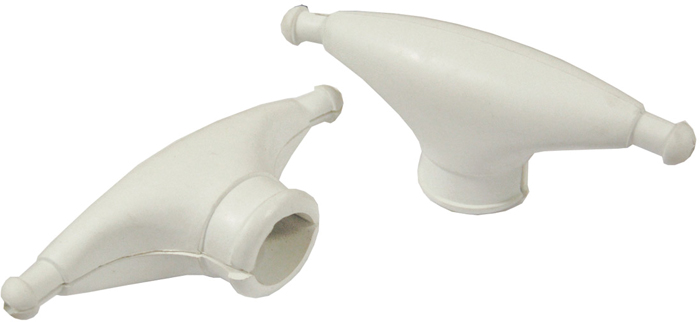
- Rubber & EPDM: EPDM rubber spreader boots are designed to resist weather, sea, temperature extremes, and hard use, providing durable protection from tears and chafing at crosstrees, while also eliminating the need for clumsy, temporary taping. The split design found on many rubber boots allows for quick and easy installation even on tensioned rigged lines.
- Leather: Leather boots are a classic, time-tested option. Custom-cut, hand-stitched leather spreader boots protect sails from costly tears and chafe, providing peace of mind at sea. Many sailors prefer leather for its natural breathability and traditional aesthetic. Some designs feature a neoprene-lined interior for a smooth, non-marking surface against the sail.
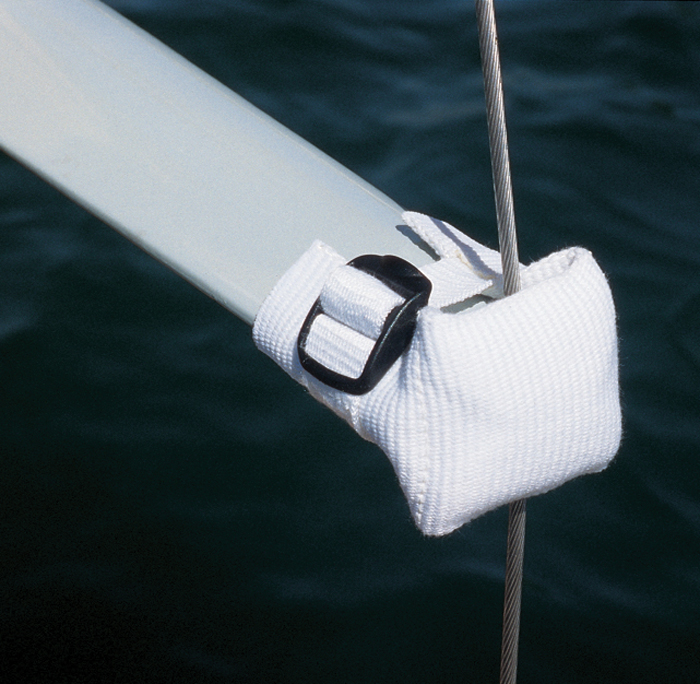
- Vinyl & Fabric: The two main types of molded spreader boots are made of rubber or vinyl. Fabric or padded polyester wraparound styles have also gained popularity, especially for unusual spreader shapes that don't fit standard molded boots.
Key Considerations When Shopping for Spreader Boots
Choosing the right spreader boot comes down to a few critical factors:
- Size: Spreader boots are typically sized by the width of the spreader tip — for example, small sizes are designed for spreader ends 3/4" across or less, while medium sizes fit tips between 3/4" and 1-1/8". Always measure your spreader tip dimensions before ordering, as fit varies significantly between tubular, oval, and aerofoil spreader profiles.
- Rig type: You'll also need to know whether you have a linked or continuous rig, as a linked rig requires a larger size compared to continuous rigging.
- Moisture & ventilation: Boots and other coverings can trap moisture and corrode spreader tips — damage that may go undetected. Look for designs with drainage holes or breathable materials to help mitigate this risk, and inspect spreader tips regularly.
- UV resistance: UV-resistant rubber is a must for any boot that will spend seasons exposed to the sun. Even high-quality materials can degrade over time in intense tropical or subtropical conditions, so plan to inspect and replace boots periodically.
- Installation method: Some modern designs install in under a minute using hook-and-loop fasteners, and can be installed with the mast up or down. Traditional rubber or leather boots may require rigging tape or hand-stitching for a secure fit.
A Small Investment That Protects a Big One
Your sails represent one of the most significant investments on your sailboat. A set of spreader boots is a simple, low-cost safeguard that can prevent far more expensive sail repairs — especially for sailors who regularly fly large headsails or genoas that sweep past the spreader tips when tacking. Whether you prefer the traditional look of hand-stitched leather, the durability of molded EPDM rubber, or the convenience of a quick-attach fabric design, the right spreader boot keeps your rig clean, your sails intact, and your sailing worry-free.