



Thru-Hull Connector
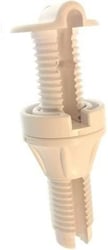

What Is a Thru-Hull Connector?
A thru-hull connector is a fitting that passes through a boat's hull, giving hoses or pipes a sealed, secure exit or entry point below or near the waterline. Bilge pumps, livewell and baitwell plumbing, cockpit drains, washdown pumps, air conditioning raw water lines, and galley sinks all depend on these fittings to move water in and out of the vessel. Because they penetrate the hull itself, they are among the most safety-critical pieces of hardware on any boat.
Why Thru-Hull Connectors Matter
A properly chosen and installed connector keeps water flowing where you want it and nowhere else. A fitting that is undersized, corroded, or poorly bedded can leak slowly or fail outright, so regular inspection is a core part of responsible boat ownership. Experienced mariners routinely check the flange, neck, and surrounding hull for cracks, weeping, or discoloration, and replace aging fittings before they become a problem.
Key Considerations When Shopping
- Material: Cast bronze is a traditional choice for strength and durability in saltwater, while molded polymer connectors are lightweight, corrosion-free, and well suited to above-the-waterline drains and bilge discharge. Match the material to the application and to your hull type.
- Connection type: Some connectors are designed for hose, with a barbed neck, while others have pipe threads for use with threaded plumbing. Confirm which style your system uses.
- Size: Hose or pipe size determines the required mounting hole diameter. Measure carefully and drill only what the fitting specifies.
- Hull thickness: Every connector has a maximum hull thickness it can accommodate, and neck length matters. Short and regular lengths exist to suit thin or thick hull sections.
- Flange style: Broad flanges add strength and a finished look, while narrow flanges suit tighter spaces. Bronze flanges are often machined to fit the hull and grooved to hold bedding compound.
- Finish: Plain bronze, chrome-plated bronze, and white polymer options let you choose between function and appearance.
Installation and Bedding
Marine-grade bedding compound between the flange and hull is essential for a watertight seal. Dry-fit the connector first, confirm the neck length against the hull thickness, and make sure any hose is secured with proper clamps. Pairing a thru-hull connector with a seacock or valve at below-waterline locations is widely recommended practice, allowing you to shut off water flow for maintenance or in an emergency.
Featured Brand: Perko
Perko thru-hull connectors are a familiar sight on boats of all kinds. The brand's line includes cast bronze connectors for both hose and pipe applications, with flanges machined to fit the hull and grooved to retain bedding compound, as well as molded white polymer versions in broad and narrow flange designs. That range of materials, sizes, and hull thickness ratings makes Perko a practical reference point for anyone matching a fitting to a specific plumbing run.
Choosing With Confidence
Before you buy, note your hose or pipe size, hull thickness at the installation point, and whether the location sits above or below the waterline. With those details in hand, selecting the right thru-hull connector becomes straightforward, and the result is a dry, dependable hull for seasons to come.