



Digital Yacht NMEA 2000 Interface Cables and Connectors
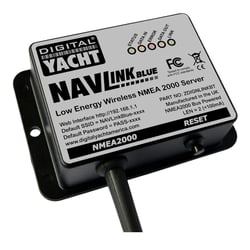
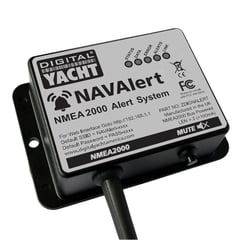
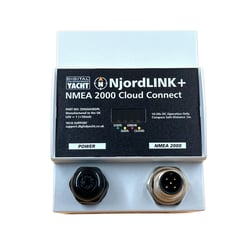
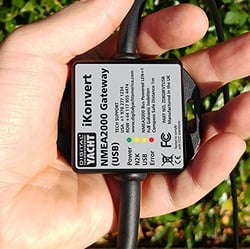
Digital Yacht ZDIGIKVT iKonvert NMEA 2000 to NMEA 0183 Gateway with ISO Interface
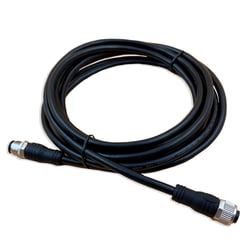
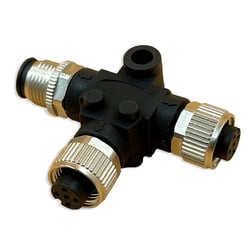
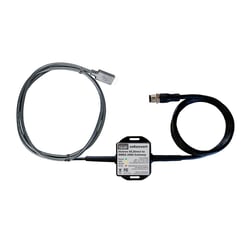
Digital Yacht ZDIGVEKVT veKonvert VE.Direct to NMEA 2000 Gateway for Victron Devices
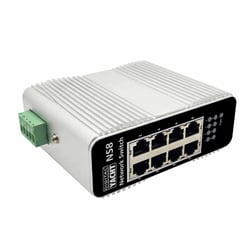
Digital Yacht NMEA 2000 Interface Cables & Connectors
Digital Yacht is a British marine electronics manufacturer with a deep-rooted specialization in onboard networking and interfacing. When it comes to NMEA 2000 interface cables and connectors, Digital Yacht approaches the category not as an afterthought but as a core part of its broader mission: making it straightforward for boaters to connect every device on the vessel into a single, reliable, standards-compliant network.
NMEA 2000 (N2K) is the industry-standard plug-and-play communications protocol for connecting marine sensors and display units. As Digital Yacht's own networking guides explain, NMEA 2000 allows marine electronic devices from different manufacturers to talk to each other
— but only when the underlying cabling infrastructure is correctly assembled. That is precisely where Digital Yacht's cables and connectors come in.
Built Around the Micro C Standard
Digital Yacht's NMEA 2000 cables and connectors are built around the industry-standard "Micro C" connector format. Rather than relying on inexpensive plastic housings, Digital Yacht opts for nickel-plated metal-style connectors, which are widely recognized for their superior durability and reliability in demanding marine environments. This commitment to hardware quality carries through every component in the line.
Scalable From Small Boats to Complex Installations
One of the distinguishing qualities of Digital Yacht's cabling approach is its scalability. Their product range is designed to grow alongside a vessel's electronics suite — starting with a compact Starter Kit suitable for up to three devices, and expanding modularly all the way up to the maximum 50-device limit supported by the NMEA 2000 standard. Single T-pieces let installers add one additional device at a time, while 4-Way T-pieces can connect four devices in a single step, making it easy to manage complex helm stations or engine-room sensor arrays.
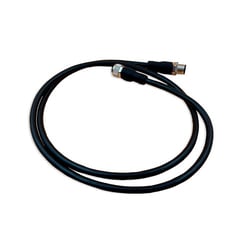
A particularly practical feature is that all Digital Yacht drop cables can also be used as backbone cables, easily connected together to achieve whatever backbone length an installation demands. Field-attachable connectors allow installers to terminate previously unterminated cable runs on the spot, reducing waste and simplifying custom-length runs in tight spaces.
Designed With Installers in Mind
Digital Yacht's NMEA 2000 cabling products are engineered to suit both DIY boaters and professional marine electronics installers. The Starter Kit, for example, features a unique extension block backbone with terminator ports at each end for a neat, compact installation — ideal for behind-the-helm installations where space is tight. The connection system is compatible with all leading marine electronics brands, making it a neutral, interoperable choice regardless of what chartplotters, AIS transponders, or other N2K devices are already aboard.
This matters because, as Digital Yacht notes, some manufacturers use proprietary "flavors" of NMEA 2000 — such as Raymarine's SeaTalkNG or Simrad's SimNet — requiring adaptor cables. Digital Yacht's standard Micro C infrastructure ensures compatibility with the open N2K ecosystem while still being adaptable to those proprietary systems when needed.
Part of a Broader NMEA 2000 Ecosystem
These cables and connectors are only one piece of the Digital Yacht NMEA 2000 story. The brand also produces diagnostic tools, converters, and WiFi servers that all rely on a properly built N2K backbone — making it logical to source the foundational cabling from the same trusted manufacturer. Explore the full Digital Yacht brand page or browse all NMEA 2000 interface cables and connectors to find the right components for your network build.