



Marine Technologies
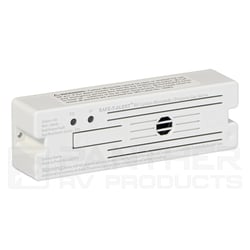
 Representative Photo, actual item may vary
About Marine Technologies
Marine Technologies is the name behind a focused line of onboard gas-detection and safety alarms designed for boats, with products sold under the Safe-T-Alert name and associated with MTI Industries. Rather than covering a broad range of boat hardware, the brand concentrates on one job: warning crews about dangerous gases and conditions before they become emergencies.
Why Gas Detection Matters Aboard
Carbon monoxide is colorless and odorless, and it can build up in cabins, galleys and enclosed spaces. Gasoline vapors and propane are heavier than air and can settle in bilges and lockers. A dedicated marine detector is engineered for the vibration, humidity, temperature swings and salt exposure of life on the water, which is very different from a household alarm.
The Marine Technologies Product Range
The lineup includes several detector types that cover the most common hazards on a vessel:
- Marine carbon monoxide alarms: The FX-4 is a 12V DC hard-wired surface-mount alarm, while the 62 Series (such as the MWD-62-542-WT-TR) is a flush-mount design supplied with a trim ring for a clean installation in a bulkhead or panel.
- Dual LP/CO alarms: Models like the 35-741-WT combine propane and carbon monoxide detection in a single 12V surface-mount unit, useful on boats with a galley stove or LP tank locker.
- Gasoline fume detectors: The MGD-1 style detector fits a standard 2" instrument panel opening, giving a boat's helm a compact way to monitor engine-compartment vapors.
- Multi-hazard gas detectors: The MGD-10XL pairs a remote fume sensor with a thermal heat sensor and a high bilge water sensor, with audible and visual alarm indicators.
What to Consider When Choosing
Start with the hazard you need to monitor: carbon monoxide for living spaces, fume detection for engine compartments and bilges, and propane detection near galley appliances. Then consider mounting style. Flush-mount units suit finished panels, surface-mount units are simpler to retrofit, and instrument-panel detectors keep readouts at the helm. Confirm the supply voltage matches your boat's electrical system, and plan sensor placement according to the manufacturer's installation instructions and applicable boating safety guidance, which generally calls for CO coverage in the main cabin and sleeping areas.
Gas detectors are life-safety equipment, so regular testing and replacement at the end of the rated service life are just as important as the initial installation. Marine Technologies products include test functions that make routine checks simple for boat owners.