



2-Cycle Outboard Oil


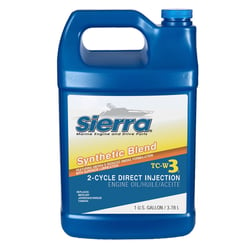
Sierra 18-9530-3 Synthetic Blend TC-W3 Direct Injection 2-Cycle Engine Oil, Gallon

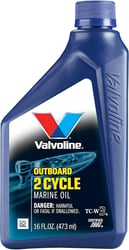
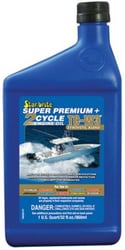

 Representative Photo, actual item may vary
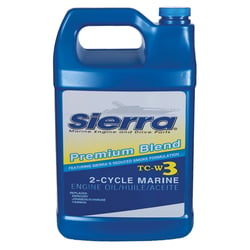
Sierra 18-9500-3 TC-W3 Premium Blend 2-Cycle Outboard Marine Engine Oil 1 Gallon
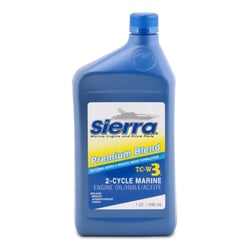
 Representative Photo, actual item may vary
 Representative Photo, actual item may vary

 Representative Photo, actual item may vary
Prime Guard QUIK8M0078617 Quicksilver 8M0078617 10W-30 4-Stroke Marine Engine Oil 1 Gallon

 Representative Photo, actual item may vary
Prime Guard QUIK858037 DFI OptiMax 2-Cycle Synthetic Blend Outboard Oil 4 Liter
 Representative Photo, actual item may vary
Prime Guard QUIK858027 Quicksilver 858027Q01 TC-W3 Premium Plus 2-Stroke Marine Engine Oil 1 Gallon
 Representative Photo, actual item may vary
Prime Guard QUIK858025 TCW3 Premium Plus 2-Stroke Synthetic Blend Marine Engine Oil 16oz
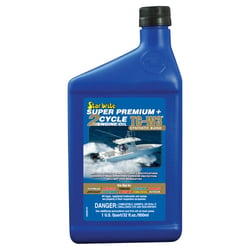
 Representative Photo, actual item may vary
Star Brite 19255 Super Premium+ TC-W3 2-Cycle Synthetic Blend Marine Engine Oil 55 Gallon Drum

Star Brite 19299 Super Premium TC-W3 2-Cycle Outboard Oil Retail Display 12 Gallon + 30 Quart
 Representative Photo, actual item may vary
 Representative Photo, actual item may vary
Quicksilver 858029Q01 Premium Plus TC-W3 2-Cycle Outboard Oil 55 Gallon Drum
 Representative Photo, actual item may vary


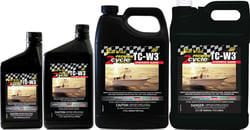
What Is 2-Cycle Outboard Oil and Why Does It Matter?
2-cycle outboard oil is one of the most critical consumables for any two-stroke marine engine. Unlike four-stroke engines that store oil in a dedicated crankcase, two-stroke outboards rely on oil that is either pre-mixed with fuel or injected directly into the fuel system to lubricate internal components during operation. That means the oil must do double duty: it has to burn cleanly alongside gasoline while simultaneously protecting pistons, cylinder walls, and crankshaft bearings against extreme friction and heat.
What makes marine-specific two-cycle oil different from generic two-stroke oil? Quite a lot, actually. Marine outboard engines operate in a wet environment, often at sustained high loads and wide-open throttle, while exhausting underwater. This makes them particularly vulnerable to corrosion from moisture and saltwater. Quality 2-cycle outboard oil is formulated with anti-corrosion additives, detergents, and dispersants designed specifically to protect combustion chambers, exhaust ports, and fuel system components in these demanding conditions.
The TC-W3 Standard: What to Look For
When shopping for 2-cycle outboard oil, the single most important certification to check for is TC-W3 (Two-Cycle Water-cooled, version 3), the industry performance standard established by the National Marine Manufacturers Association (NMMA). TC-W3-certified oils meet strict requirements for lubrication performance, engine cleanliness, and corrosion protection, and most modern outboard engines require this certification to maintain their manufacturer warranty. TC-W3 oils are also ashless by design — a critical characteristic since marine engines run cooler than their air-cooled counterparts and are prone to sticky ash deposits and spark plug fouling if the wrong oil is used.
Beyond TC-W3 certification, boaters should also consider whether their engine uses a pre-mix or oil-injection system, and whether they run a conventional carbureted setup or a modern direct-injection engine — some formulas are specifically engineered for high-tech DFI systems.
Top Brands in 2-Cycle Outboard Oil
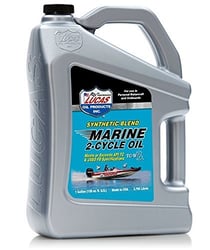
Lucas Oil is one of the most recognized names in performance lubrication, and their marine lineup lives up to that reputation. Lucas' synthetic blend 2-cycle marine oil features a proprietary ashless detergent inhibitor package engineered to minimize spark plug fouling, pre-ignition, and ring sticking — and it carries full NMMA TC-W3 certification for use in both pre-mix and direct injection systems.
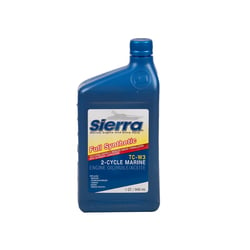
Sierra is a trusted marine-specialist brand with a comprehensive range of TC-W3 oils spanning premium blend, semi-synthetic, and full synthetic formulas. Sierra's lineup is designed to meet or exceed OEM warranties for engines from Mercury, Yamaha, Suzuki, and more, while also boasting significantly reduced aquatic toxicity compared to many competing outboard oils — a meaningful advantage for environmentally conscious boaters.
Motul brings decades of motorsport expertise to the marine segment, offering full synthetic two-stroke formulations that cater to high-performance outboard applications where maximum protection under sustained load is the priority.
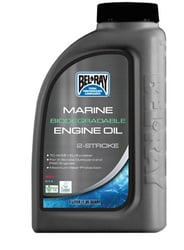
Bel-Ray Lubricants has long been respected in the powersports world for precision-engineered lubricants, and their 2-cycle marine oils carry that same commitment to minimizing wear and keeping internal engine surfaces clean under demanding operating conditions.
Maxima rounds out the category with performance-focused two-stroke oils built for riders and boaters who demand clean-burning, low-smoke formulas that protect engines running at the edge of their performance envelope.
Choosing the Right Oil for Your Outboard
- Check your owner's manual — always follow your engine manufacturer's oil recommendations
- Look for TC-W3 certification — required by most modern outboards and essential for warranty compliance
- Match the formula to your fuel system — pre-mix, oil-injection, and direct-injection engines each have different needs
- Consider full synthetic for high-performance or sustained-use applications — synthetic oils typically offer superior protection under heavy load and extreme temperatures
- Don't substitute generic air-cooled two-stroke oil — these lack the corrosion inhibitors and ashless formulation essential for water-cooled marine engines