



3300 Control Cables
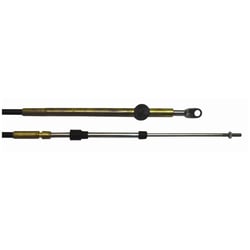

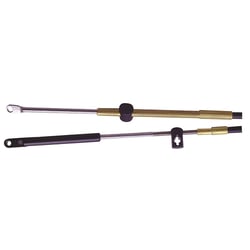



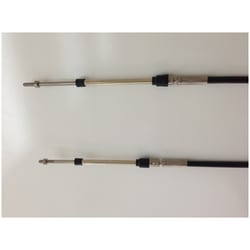


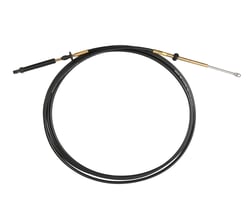




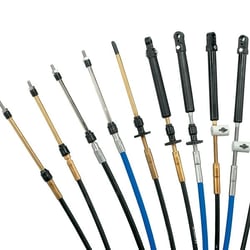

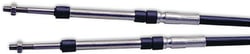

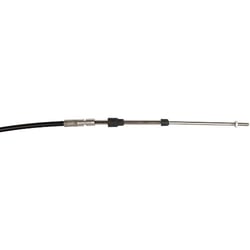
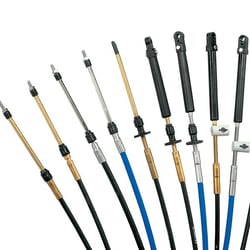



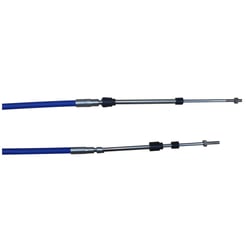
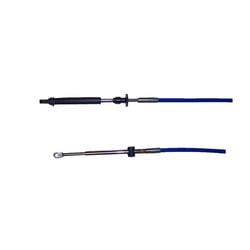
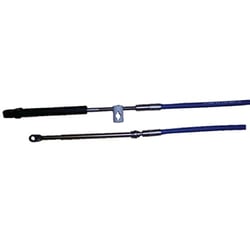
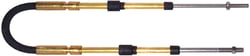
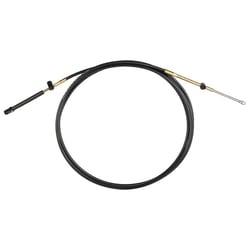
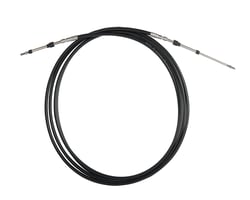
Uflex MACH36X10 Gen II Engine Control Cable 10ft Mercury Style C36 Compatible






- 1
- 2
What Are 3300 Control Cables?
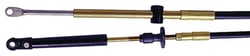
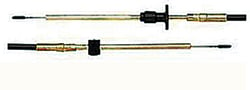
The 3300 series control cable is the marine industry's most widely adopted standard for throttle and shift cables on outboard, sterndrive, and inboard engine applications. Originally developed and popularized by Teleflex, the 3300/33C specification defines the cable's outer diameter, conduit construction, and end-fitting geometry — making it the go-to compatible format across a vast range of single-lever and dual-lever control boxes from virtually every major engine manufacturer. Whether you're connecting a Yamaha, Mercury, OMC, or MerCruiser powerplant to its throttle and shift controls, there's a good chance a 3300-type cable is the correct fit.
How 3300 Control Cables Work
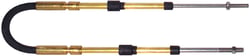
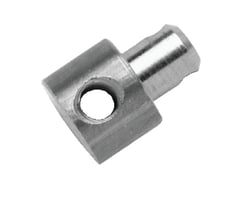
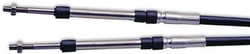
A 3300 control cable is a push-pull mechanical cable system. An inner wire core moves within a reinforced outer conduit to translate lever movement at the helm into precise mechanical action at the engine — either advancing the throttle or engaging forward and reverse gears. The conduit is typically constructed with a plastic liner, spiral wire reinforcement, and a durable outer jacket to resist abrasion, UV degradation, moisture, and the corrosive marine environment. End fittings are standardized to interface with a wide variety of control boxes and engine throttle/shift arms without modification.
Choosing the Right 3300 Cable
Selecting the correct 3300 control cable comes down to a few key factors:
- Length: Cables are sold in standard increments (typically 10 ft through 28 ft or longer). Measure the routing path from your control box to the engine carefully, accounting for bends and slack.
- Core vs. conduit travel: Most 3300 cables share a standard 10mm conduit outer diameter and compatible end fittings, but always verify compatibility with your specific control box and engine bracket.
- Single vs. dual cable: Single-engine setups typically use two cables (one throttle, one shift), while twin-engine configurations require four.
- Construction quality: Look for UV-stabilized jackets, corrosion-resistant end fittings, and smooth-gliding inner cores — especially for saltwater use.
Top Brands in 3300 Control Cables
Teleflex is the originator of the 3300/33C cable standard and remains one of the most trusted names in marine control cables. Their extensive line covers nearly every length and configuration, and their cables are known for consistent quality and broad OEM compatibility.
Seastar Solutions (formerly part of the Teleflex Marine group) carries on that engineering heritage with a robust lineup of 3300-series cables engineered for smooth, reliable performance. Seastar is a top choice among marine technicians for both replacement and new installations.
Uflex brings decades of Italian marine engineering expertise to the 3300 cable category. Their cables are fully interchangeable with the 3300 standard and are widely respected for competitive quality across both recreational and light commercial marine applications.
Engineered Marine Products rounds out the category with a broad selection of 3300-compatible cables suited to a variety of helm and engine configurations, making them a solid option for replacement needs across many vessel types.
For small engine and powersport applications, Briggs & Stratton also offers control cable solutions compatible with the 3300 standard, particularly useful in RV and generator control configurations where throttle cable reliability is essential.
Why Proper Cable Maintenance Matters
Control cables are a safety-critical component. A stiff, frayed, or corroded cable can cause delayed throttle response or an inability to shift into neutral — dangerous situations on the water. Inspect cables regularly for kinking, corrosion at the end fittings, and jacket cracking. Replacing cables proactively, especially after several seasons of saltwater use, is far less costly than an on-water breakdown.