



Trailering
 Adhesives
 Aero Ground Effects and Body Kits
 Anchoring
Anchoring
Anchoring
 Appearance Products
 Axle Shaft
 Bearings
 Body Wiring Harness and Components
Brake Caliper
Brakes
Body Wiring Harness and Components
Brake Caliper
Brakes
 Bumper
 Catalytic Converter
 Cleaning Products
Cooling
Cleaning Products
Cooling
 Covers & Tops
Covers & Tops
Covers & Tops
 Cylinder Block Components
Drive
Cylinder Block Components
Drive
 Drive
Drive
 Drums and Rotors
 Electrical
Electrical
Electrical
 Electrical Connectors
 Electrical Connectors
 Electrical Connectors
 Electronics
Electronics
Electronics
 Engine
Engine
Engine
 Fasteners
 Fasteners
 Fenders
 Fittings
 Fittings
 Fittings
 Frame
Frame
 Fuel
Fuel
Fuel
Fuel
 Functional Fluid, Lubricant, Grease (including Additives)
 Gaskets and Sealing Systems
 Gaskets and Sealing Systems
 Hand Tools
 Hardware
 Hardware
Hardware
Hardware
 Hardware
 Hardware
 Hardware
 Hardware
 Hardware
 Hardware
 Hoist, Lift and Support
 Hubs and Related Components
 Instrument Panel
Lighting
Instrument Panel
Lighting
 Lighting - Exterior
 Maintenance
Maintenance
Maintenance
 Mirrors
 Miscellaneous Merchandise
 Motors, Core, Case and Related Components
 Plumbing
Plumbing
Plumbing
 Powersports & Marine
Powersports & Marine
Powersports & Marine
 Propellers
Propellers
Propellers
 Safety
Safety
Safety
 Sailing
Sailing
Sailing
 Service Kits
 Service Kits
 Service Kits
 Service Kits
 Shocks and Struts
 Shop Equipment
 Shop Equipment
 Spare Tire and Wheel
 Steering & Controls
Steering & Controls
Steering & Controls
 Steering, Gear and Related Components
 Suspension, Springs and Related Components
 Switches
 Switches
 Tire
Tire
 Tire Service
 Towing
 Towing
 Trailering
Trailering
Trailering
 Transmission Hard Parts
 Trolling Motors
Trolling Motors
Trolling Motors
 Trunk Lid and Compartment
 Undercar
 Wheel
Wheels & Tires
Wheel
Wheels & Tires
 Winch
Winch
 Wire, Cable and Related Components
 Wire, Cable and Related Components
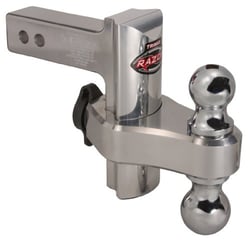

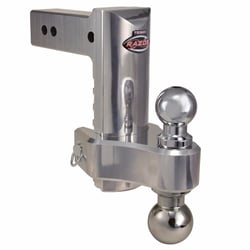
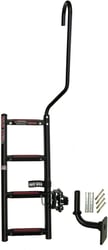

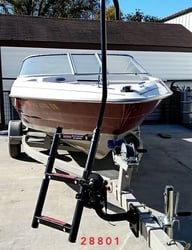



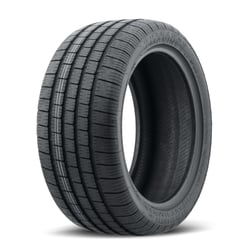
Journey WVS6902156517R10DTAP Vision WVS690 Marine Heavy Hauler DTAP Trailer Tire ST215/65R17


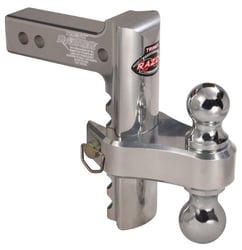
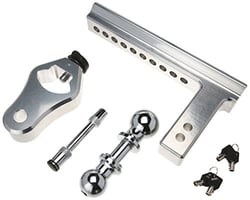
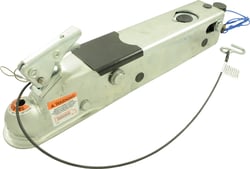
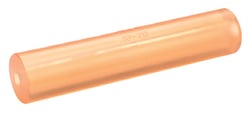
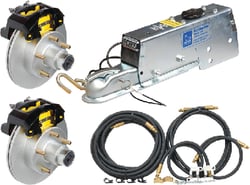
Dexter Marine Products 099-075-20 A-75 Surge Brake Actuator Inner Member for Disc Brakes

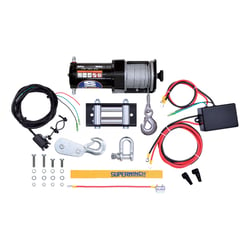
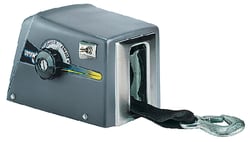

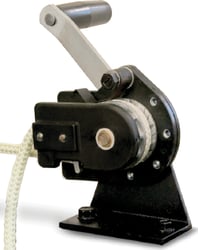

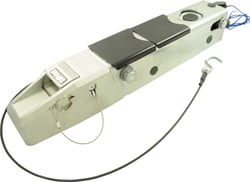
Dexter Marine Products 099-184-20 XR-84 Surge Brake Actuator Inner Member Disc Brake 8,400 lbs
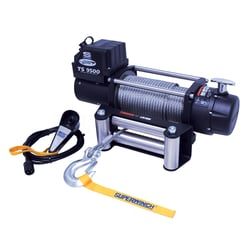
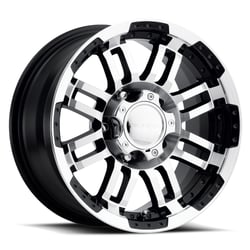
Vision Wheel 375VTH4565GBMF0 Warrior 375 Trailer Wheel 14x5.5 Inch 5x4.5 Bolt Pattern Gloss Black Machined Face

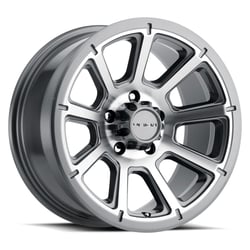
Vision Wheel 353VTH5665GMMF0 Turbine HD Trailer 15x6 Inch 5x4.5 Gunmetal Machined Face Wheel

Vision Wheel 353VTH4565GMMF0 Turbine 353 Trailer Wheel 14x5.5 Inch 5x4.5 Gunmetal Machined Face

Syntec Industries BC126005100 Bunk Carpet Black 12" x 60" Marine Trailer Protector

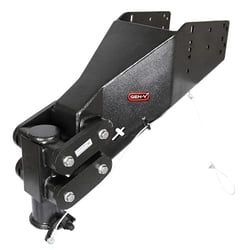

Complete Trailering Solutions for Safe and Reliable Towing
Whether you're hauling a boat to the lake, transporting a camper for your next adventure, or moving equipment for work, having the right trailering equipment is essential for safety, legal compliance, and peace of mind. The trailering category encompasses all the components and accessories needed to securely connect, control, and safely operate trailers of every size and purpose.
Essential Trailering Components
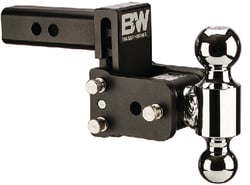
At the heart of every towing setup is the connection system. Trailer hitches form the foundation, providing the structural mounting point on your vehicle that allows you to attach a trailer. These come in multiple classes rated for different weight capacities, from light-duty applications to heavy commercial hauling. The hitch receiver accepts various accessories including ball mounts, pintle hooks, and specialty attachments designed for specific trailer types.
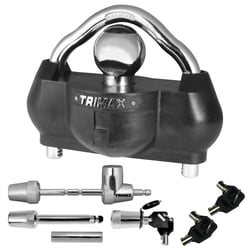
Couplers and balls create the actual connection point between vehicle and trailer, with sizes and styles matched to your towing needs. Safety chains provide a critical backup connection in case of coupler failure, while electrical connectors ensure your trailer's lights, turn signals, and brakes communicate properly with your tow vehicle. These electrical systems are not just convenient—they're legally required for road use in most jurisdictions.
Towing Safety and Control Equipment
Beyond the basic connection hardware, proper trailering requires equipment that enhances stability and control. Weight distribution hitches help level your vehicle when towing heavy loads, redistributing tongue weight to improve handling and reduce strain on your rear axle. Sway control devices minimize dangerous trailer oscillation caused by wind, passing trucks, or uneven roads.
Trailer brakes and brake controllers are essential for heavier loads, giving you the stopping power needed to safely control your combined vehicle and trailer weight. Electric, hydraulic, and surge brake systems each offer different advantages depending on your trailer type and towing frequency. Jack stands, stabilizers, and wheel chocks keep your trailer secure when parked, while towing mirrors extend your field of vision to see around and behind wider trailers.
Choosing the Right Trailering Equipment
Selecting appropriate trailering components starts with understanding your vehicle's towing capacity and the gross trailer weight you plan to haul. Your vehicle's owner's manual provides critical specifications including maximum towing capacity, tongue weight limits, and recommended equipment classes. Never exceed these ratings, as doing so compromises safety and can cause mechanical damage or void warranties.
Consider the type of towing you'll do most often. Recreational haulers benefit from quick-disconnect systems and adjustable mounts, while commercial users may need more robust pintle hook connections and heavy-duty safety equipment. Climate and terrain matter too—frequent mountain towing demands upgraded brake systems, while marine environments require corrosion-resistant materials.
Quality trailering equipment is an investment in safety that protects your vehicle, your cargo, and everyone on the road. From the hitch that bolts to your frame to the smallest safety pin, each component plays a vital role in secure, confident towing.