



Tires & Tubes
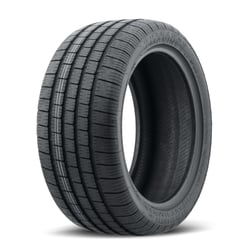
Journey WVS6902156517R10DTAP Vision WVS690 Marine Heavy Hauler DTAP Trailer Tire ST215/65R17



Journey WVS6902056514R8DTAP Marine Hauler DTAP Radial Trailer Tire ST205/65R14
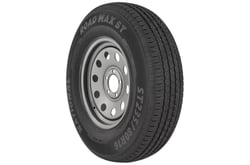
National Tire NRM39 ROAD MAX ST 215/75R14 108/103M Load Range D Special Trailer Tire

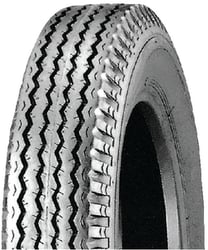
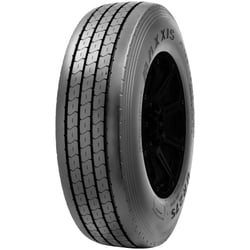

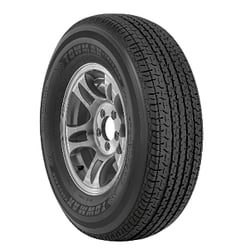
 Representative Photo, actual item may vary
Trailer King TMST08A ST235/80R16 Special Trailer Radial Tire 12 Ply Load Range E

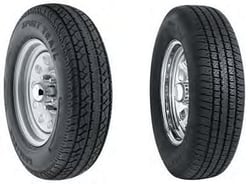

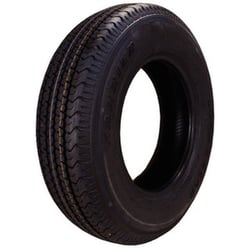
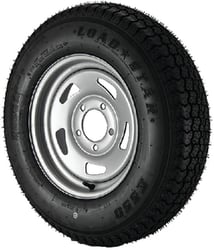
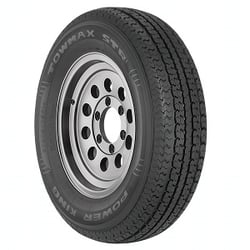
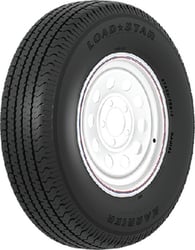
Loadstar Tires 32147 ST205/75R-14 Radial Trailer Tire and Wheel Assembly 5 Lug White Modular
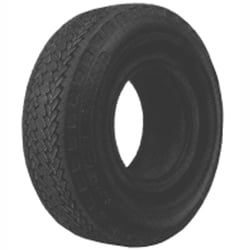
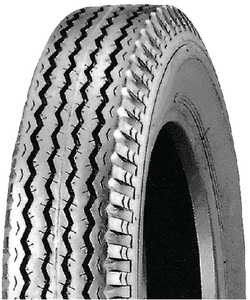 Representative Photo, actual item may vary
 Representative Photo, actual item may vary
 Representative Photo, actual item may vary
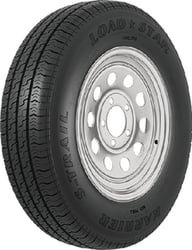
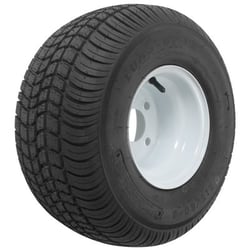
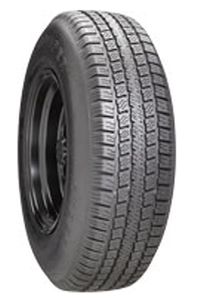 Representative Photo, actual item may vary
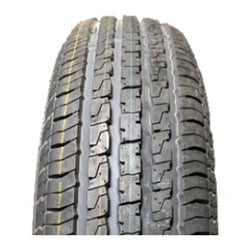
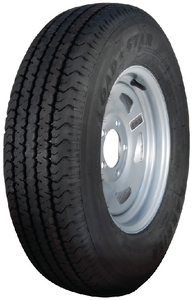 Representative Photo, actual item may vary
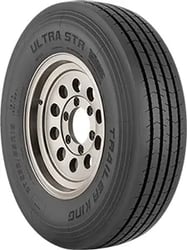
 Representative Photo, actual item may vary
 Representative Photo, actual item may vary
 Representative Photo, actual item may vary
Trailer King TKAS26G Ultra STR All-Steel ST Radial Trailer Tire ST235/85R16 Load Range G
 Representative Photo, actual item may vary

 Representative Photo, actual item may vary
Carlstar 6H08116 ST235/85R16 Load Range G 14-Ply CSL16 All-Steel Radial Trailer Tire
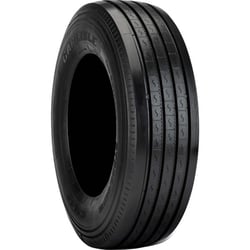
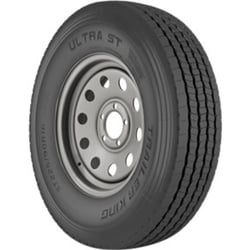
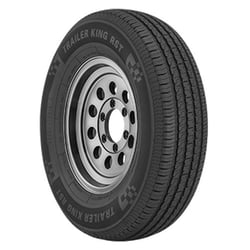
 Representative Photo, actual item may vary

Why Trailer Tires Are a Category All Their Own
When it comes to trailering, the tires beneath your rig are one of the most safety-critical components you can choose — yet they're often an afterthought. Trailer tires are not interchangeable with passenger car or light truck tires. They are purpose-built to do something fundamentally different: carry heavy, non-driven loads over long distances while keeping the trailer stable and predictable behind the tow vehicle.
Trailer-specific tires — typically designated ST (Special Trailer) — feature stronger sidewalls engineered to resist the lateral forces and swaying that occur during towing. They also carry a significantly higher load index than comparably sized passenger tires, making them the correct choice for utility trailers, boat trailers, horse trailers, travel trailers, and fifth-wheel rigs alike.
Radial vs. Bias-Ply: Choosing the Right Construction
The two main trailer tire constructions each serve different needs. Radial tires have steel belts running across the tread, which delivers better stability, longer tread life, reduced rolling resistance, and improved heat resistance — making them well-suited for highway towing and long-distance hauls. Bias-ply tires are built with crisscrossed nylon layers that create stiffer, more rigid sidewalls, giving them added durability on rough terrain, farm applications, and off-road use where puncture resistance matters more than ride smoothness.
For most boat trailer owners and campers spending the majority of their time on highways, radial construction is typically the preferred choice. If you're hauling construction equipment, agricultural implements, or livestock over unpaved terrain, bias-ply tires may be the more practical option.
Key Factors When Shopping for Trailer Tires
- Load Range: Load range is indicated by a letter (C, D, E, F, and higher), with higher letters denoting greater load-carrying capacity. Always choose a tire whose load range meets or exceeds your trailer's rated weight.
- Speed Rating: Most trailer tires are rated for around 65–75 mph. Exceeding the speed rating causes heat buildup that can lead to blowout — always stay within the rated limit.
- Tire Size: Follow your trailer manufacturer's specifications exactly. Never downsize a trailer tire to save money, as this compromises your safety margin.
- Tread Pattern: Ribbed highway tread works best for smooth road hauling; more aggressive lug patterns are better for off-road or farm trailer use.
- Inflation: Maintaining correct tire pressure is crucial. Underinflation leads to overheating and premature failure, while overinflation can cause uneven wear and a rougher ride.
Don't Forget the Tubes
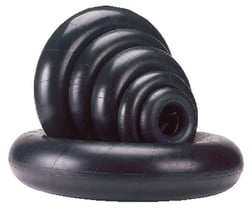
While most modern trailer tires are tubeless, inner tubes remain an important part of the trailering world. Older rim designs, certain bias-ply tires, and tube-type (TT) designated tires still require inner tubes. A quality tube ensures consistent air pressure, helps prevent flats, and can extend the service life of your trailer tires — especially on trailers that see intermittent use or spend time in storage between seasons. Always match the tube size precisely to the tire size marked on your tire's sidewall, and verify that the valve stem type is compatible with your rim.
Top Brands for Trailer Tires & Tubes
For decades, Firestone has been one of the most recognized names in commercial and trailer tires. Backed by Bridgestone's engineering capabilities, Firestone's trailer tire lineup is designed for durable, long-haul performance — with features like five-rib tread designs for even wear and low-rolling-resistance construction for fuel efficiency.
Continental brings over a century of tire engineering expertise to the trailer market, offering vocation-specific designs focused on maximizing mileage, efficiency, and longevity. Continental's trailer tire technology incorporates advanced casing designs and tread compounds engineered to reduce operating costs for both commercial fleets and serious trailering enthusiasts.