



Nylon Pipe & Hose Fittings
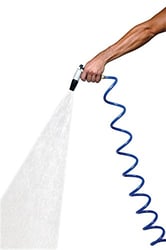

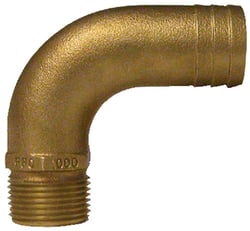
 Representative Photo, actual item may vary

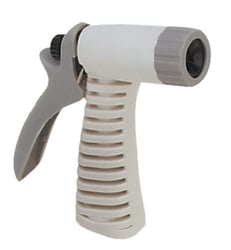
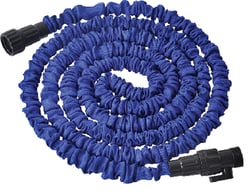
Shurflo 94-010-00 Blaster Fully Adjustable Hose Nozzle with Insulated Trigger

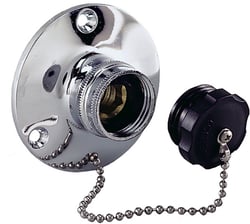
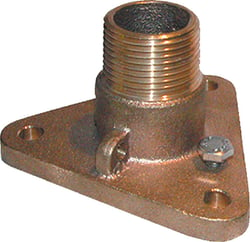
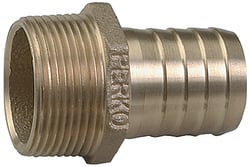
Perko 0499DP0CHR Water Inlet Fitting with Plug - Chrome Bronze 3/4" GHT to 1/2" MPT

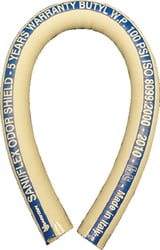
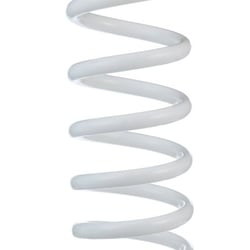
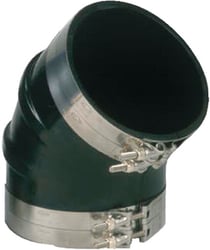

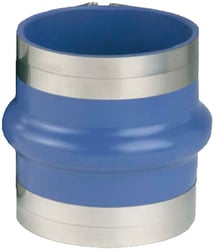
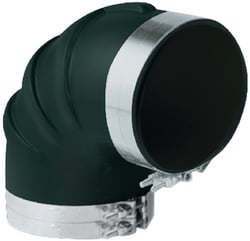
Trident Hose 270V4000SS 4-Inch Silicone Hump Hose with Stainless Steel Clamps
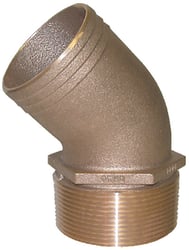

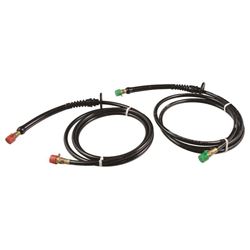

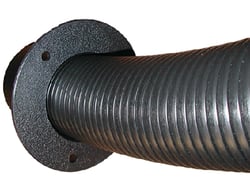
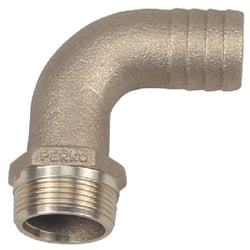
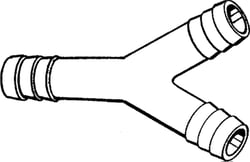

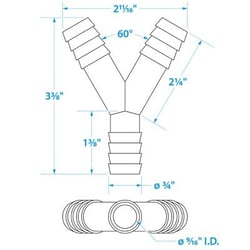
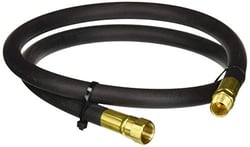

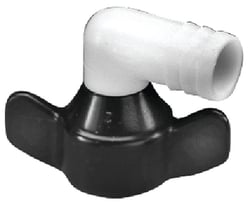
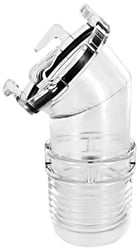





What Are Nylon Pipe & Hose Fittings?
Nylon pipe and hose fittings are threaded and barbed connectors used to join, redirect, or terminate fluid lines in RV and marine plumbing systems. Found in fresh water supply lines, sanitation systems, deck drains, and water tank fill applications, these fittings form the backbone of any onboard plumbing network. Unlike metal alternatives, nylon fittings offer a compelling combination of light weight, chemical resistance, and immunity to galvanic corrosion — making them a go-to material on both the water and the road.
Why Nylon for RV & Marine Plumbing?
Material selection is one of the most important decisions in any plumbing project. Nylon stands out in RV and marine environments for several key reasons:
- Corrosion resistance: Nylon does not corrode in the presence of salt water, fresh water, or common household chemicals, giving it a significant lifespan advantage over bare metal fittings in wet environments.
- Lightweight construction: Weight savings matter on boats and RVs alike. Nylon fittings contribute far less to overall vessel or vehicle weight compared to bronze or stainless alternatives.
- No galvanic compatibility issues: Because nylon is non-metallic, it eliminates the risk of galvanic corrosion when used alongside different metals in the same system.
- Ease of installation: Many nylon fittings are designed to install without special tools, making DIY repairs and upgrades straightforward for boat owners and RV enthusiasts.
- Broad chemical compatibility: Nylon is generally resistant to fuels, oils, and many solvents, making it suitable for a wide range of onboard fluid systems.
Common Fitting Types in This Category
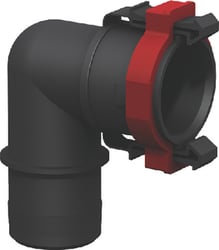
This category covers a wide assortment of connector styles to handle virtually any plumbing routing challenge. Hose barbs create secure push-on connections to flexible hose, while threaded fittings (NPT male and female) integrate with rigid pipe runs. Elbow fittings — available in 45° and 90° configurations — allow direction changes in tight spaces. Tee fittings split or combine flow across two branches, and reducer fittings adapt between different hose or pipe diameters. For RV fresh water systems specifically, union fittings allow two female pipe thread lines to be connected end-to-end without tools, simplifying future serviceability.
When shopping this category, always verify the thread standard (NPT is most common in North American RV and marine applications) and confirm the hose inner diameter before selecting a barb size. A proper fit between barb and hose inner diameter is essential for a leak-free, secure connection — especially in pressurized fresh water systems.
Top Brands in Nylon Pipe & Hose Fittings
Jiffy-Tite brings a performance-proven engineering pedigree to the world of fluid fittings. A division of Oetiker, Jiffy-Tite is a leading manufacturer of quick connectors and performance fluid fitting connectors. Specializing in quick-connect couplers for automotive fluid systems, Jiffy-Tite fittings are designed for speedy, tool-free connection, and the company now boasts more than 300 million couplings in use. Jiffy-Tite is the only quick-connect fitting approved for use in all categories of NHRA and IHRA, and is also accepted for use in SCCA for virtually all fuel, water, oil, and transmission applications. Their nylon and polymer components bring that same reliability to RV and marine plumbing setups where secure, leak-free connections are non-negotiable.
Choosing the Right Fitting for Your Application
Before selecting a nylon fitting, consider the operating conditions: temperature, pressure, and the type of fluid being conveyed. While nylon performs well across a broad range of conditions, very high temperatures (such as those on the hot water side of an RV water heater) may call for brass or stainless alternatives. Always match the fitting material to your existing plumbing where possible, and plan for periodic inspection — especially in marine environments where hidden moisture and UV exposure can degrade fittings over time. Having the correct fittings on hand before beginning any plumbing project saves time and prevents mid-job delays.