



Wet Exhaust Hose
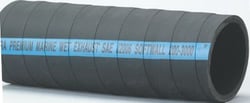

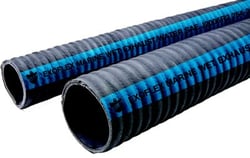
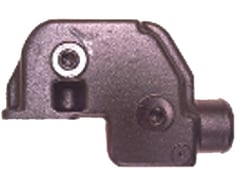

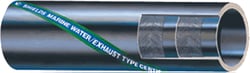


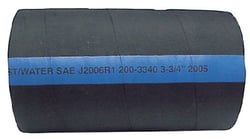
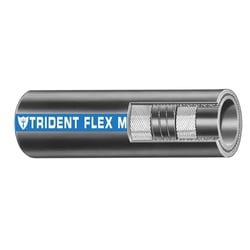
Trident Marine 100-1146-FT 1-1/4" Flex Wet Exhaust Water Hose Black Sold Per Foot
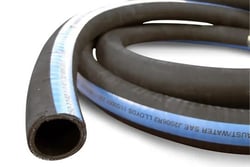
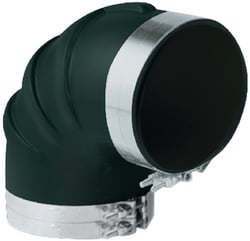
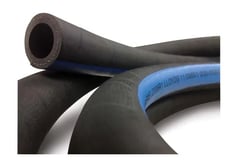

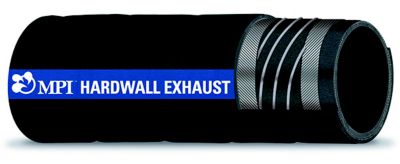 Representative Photo, actual item may vary

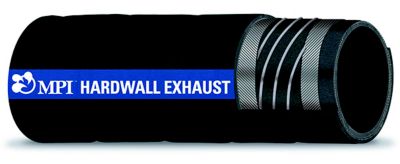 Representative Photo, actual item may vary
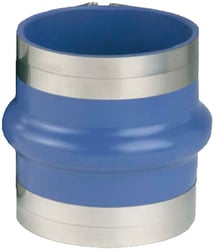
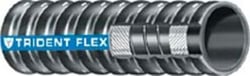
 Representative Photo, actual item may vary

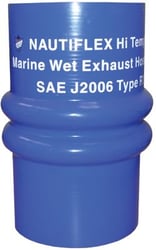
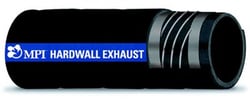
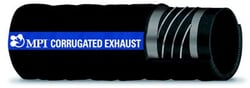
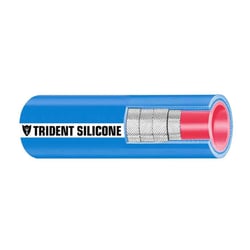
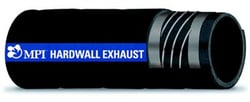
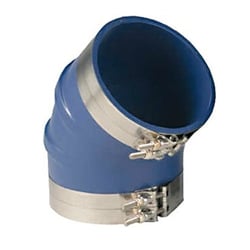
Trident Marine 240V80000-S/S 8" Silicone Wet Exhaust 45-Degree Elbow with Stainless Clamps
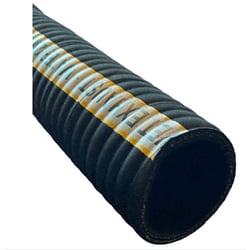
Trident Marine 252F-1126 1-1/2" x 50' Extra-Flex Corrugated Wet Exhaust Hose
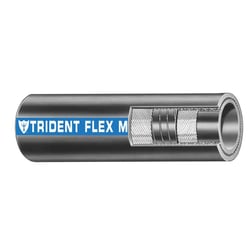
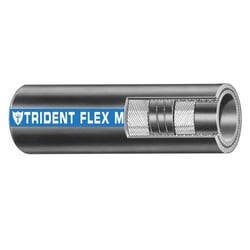
Trident Marine 100-1146 Flex Wet Exhaust Hose 1-1/4" x 50' Coil Wire Reinforced
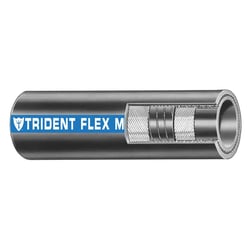
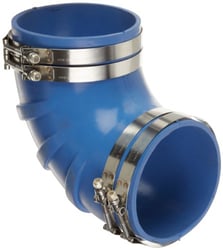
Trident Marine 290V6000-S/S 6" Wet Exhaust Elbow 90-Degree Blue Silicone with Clamps
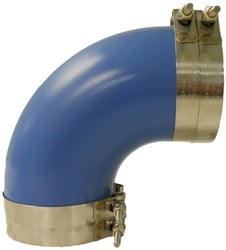
Trident Marine 290V3000-S/S Silicone Wet Exhaust Elbow with Clamps - 3 90-Degree
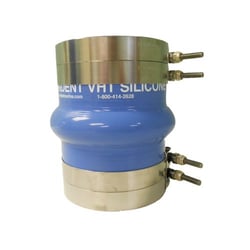
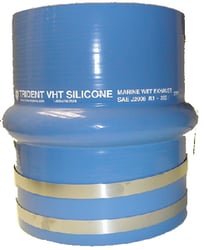
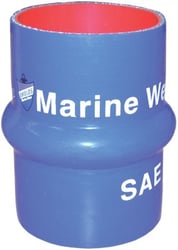
Trident Marine 272V6000-S/S Blue Silicone Wet Exhaust Hump Hose 6" ID x 8" with Clamps
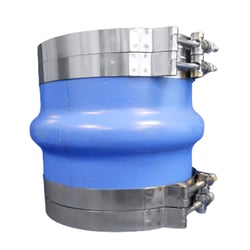
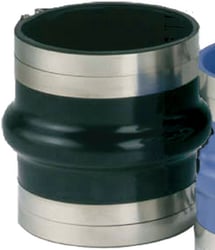
Trident Marine 270V8000-S/S 8" ID Blue Silicone Wet Exhaust Hump Hose with T-Bolt Clamps
Shields Hose 16-262-2124 Blue Series 262 Silicone Marine Water Exhaust Hose 12.5 Feet
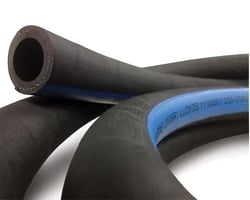
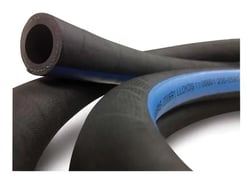
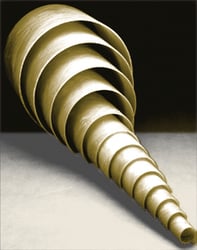

Trident Hose 200500048 Seaflex Softwall 5" Marine Wet Exhaust Hose 4' Length
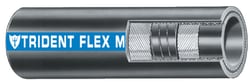
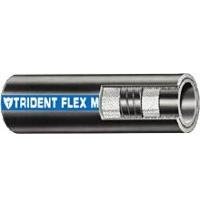
Trident Hose 250300048 Seaflex Hardwall 3 Inch Marine Wet Exhaust Hose 4 Feet
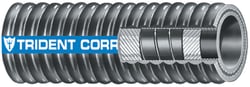
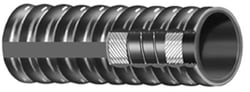
Trident Hose 25211241B SEAFLEX Corrugated Hardwall Marine Exhaust Hose 1-1/2" x 12.5'
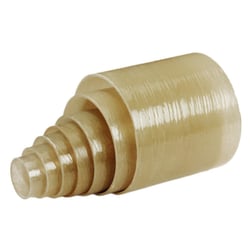
Trident Hose 270V5040SS High-Temp Silicone Hump Hose Reducer 5" to 4" with Clamps
What Is Marine Wet Exhaust Hose?
Wet exhaust hose is one of the most safety-critical components in a boat's plumbing system. In an inboard or sterndrive setup, it is the flexible connector that carries exhaust gases and injected cooling water from the mixing elbow to the waterlock or muffler and out through the transom. Unlike the rigid steel pipes found on automotive exhausts, marine wet exhaust hose must flex with engine vibration, route through tight bilge spaces, and withstand a constant mix of hot gases and seawater — all without degrading or collapsing.
The "wet" in wet exhaust refers to the cooling water that is injected into the exhaust stream at the mixing elbow. This water lowers exhaust temperatures dramatically before the gases travel down the hose, which is why flexible rubber constructions are viable in the first place. Without this water injection, temperatures would be far too high for any elastomeric hose material to handle.
Why It Matters for Your Vessel
A failed wet exhaust hose is not just an inconvenience — it is a genuine safety hazard. Cracks, soft spots, bulges, or internal delamination can allow carbon monoxide to escape into the bilge or living spaces, and a collapsed hose can cause dangerous backpressure that stresses the engine. A poorly routed or undersized hose can even allow seawater to flow backward into the engine, resulting in catastrophic internal damage. Routine inspection and timely replacement are essential parts of responsible boat ownership.
Most quality wet exhaust hoses are built to meet SAE J2006 or ISO 13363 standards. These ratings govern temperature tolerance, burst pressure, and ozone resistance — the key properties that determine whether a hose will hold up season after season in a saltwater environment. Common construction materials include EPDM rubber compounds and synthetic rubber blends, often reinforced with a wire helix or layers of heavy-duty synthetic cord to prevent kinking and wall collapse on longer runs.
Choosing the Right Wet Exhaust Hose
Shopping for a replacement or upgrade requires attention to a few key factors:
- Inside Diameter (ID): Always match the OEM internal diameter to avoid creating backpressure that can harm engine performance.
- Hose Type: Softwall hose suits short, straight connections; hardwall wire-reinforced hose is preferred for longer runs or runs with significant bends.
- Temperature Rating: Verify the hose's continuous and intermittent ratings against your engine's mixing elbow specs.
- Standards Compliance: Look for SAE J2006 R1 or R2 certification for confirmed marine-grade performance.
- Clamps & Hardware: Use 316 stainless marine clamps — typically two per end on critical connections — to ensure a secure, corrosion-resistant seal.
Top Brands in Marine Wet Exhaust Hose
Shields Hose is one of the most recognized names in marine plumbing. Their flagship Shieldsflex II wet exhaust hose features a black synthetic rubber construction reinforced with a wire helix embedded between plies of heavy-duty synthetic cord, offering resistance to exhaust fumes, ozone, mild chemicals, antifreeze, and saltwater. Shields hoses are engineered to meet or exceed ABYC, NMMA, and USCG standards, making them a trusted choice for yachts and pleasure craft alike.
Crushproof Tube has been a leader in exhaust hose technology since 1949, when the company introduced the world's first crush-proof rubber exhaust hose. Their flexible, abrasion-resistant hoses are designed to return to their original shape even after compression, and are engineered for demanding high-temperature exhaust applications — making them a reliable option wherever durability and flexibility are paramount.
Seachoice rounds out the category with a broad selection of value-oriented marine hose products. With over a dozen wet exhaust hose options available, Seachoice provides boaters with accessible solutions for a wide range of vessel sizes and installation configurations.