



Fuel Fittings
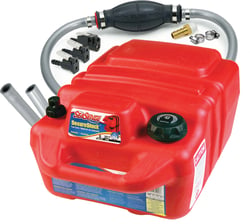

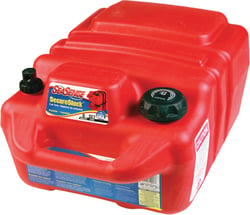
SeaSense 50052017 Portable Fuel Tank 6 Gallon EPA Compliant Stackable Marine Gas Tank
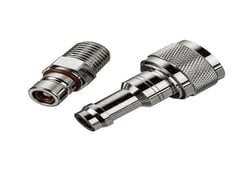
Scepter 11553 Universal Quick Connect Fuel Fitting 1/4" NPT Male x 3/8" Barb Female Stainless Steel

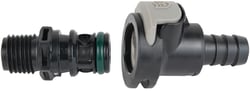

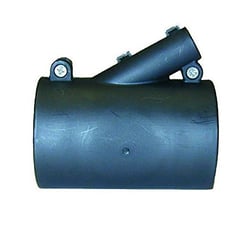
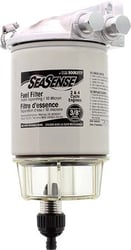
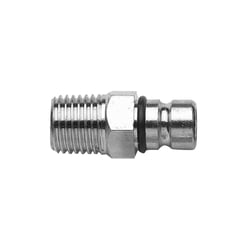


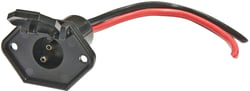
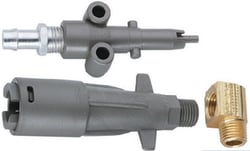
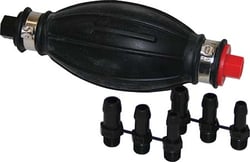
SeaSense 50073804 Universal Primer Bulb Low Permeation with Interchangeable Fittings
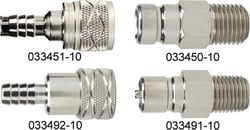

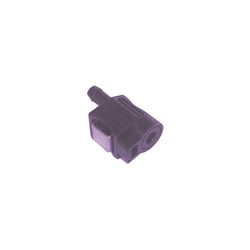

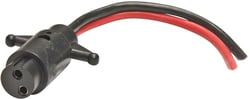
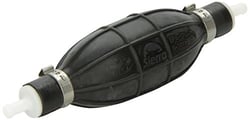
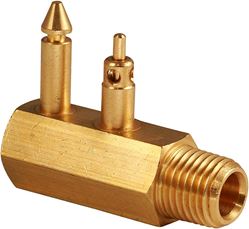
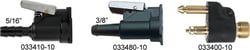
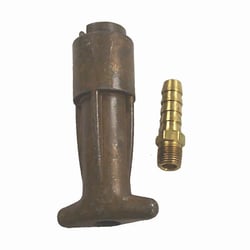
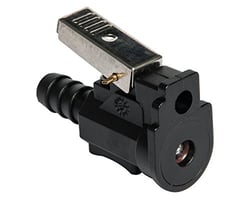
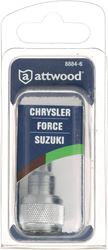
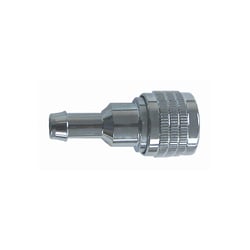
Attwood Marine 8884-6 Fuel Connector for Chrysler/Force 5/16" Barb Nickel Plated Brass
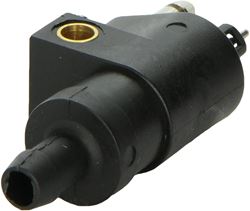
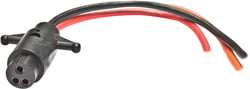
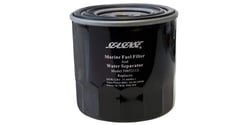
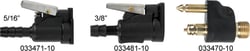
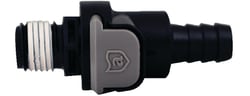
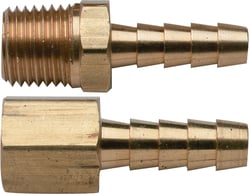
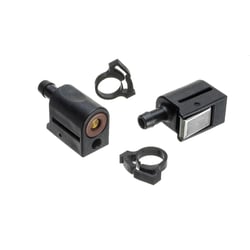

What Are Fuel Fittings and Why Do They Matter?
Fuel fittings are the unsung heroes of any fuel system — the connectors, adapters, bulkhead fittings, hose ends, and quick-connect couplers that link fuel tanks, lines, pumps, and carburetors or injectors into a single, sealed delivery circuit. Whether you're maintaining a trailerable bass boat, upgrading an RV's generator fuel supply, or building a high-performance marine engine, the integrity of every fitting in that circuit directly determines how safely and efficiently fuel reaches the engine.
A poor-quality or improperly specified fitting can lead to fuel leaks, rough running caused by pressure loss, or even a dangerous fire hazard — especially in the confined bilge of a boat or the enclosed underbelly of an RV. Choosing the right fitting means matching thread type and size (NPT, AN/ORB, inverted flare, barb), material compatibility with the fuel type (gasoline, ethanol blends, diesel, E85, methanol), and pressure rating to the demands of the application.
Types of Fuel Fittings
- Quick-Connect Couplers: Tool-free push-to-connect fittings common on portable marine tanks and outboard fuel lines.
- AN/ORB Fittings: Industry-standard aerospace-style fittings used in performance and racing fuel systems for leak-free reliability under high pressure.
- Inverted Flare Fittings: Traditional SAE-style fittings found on OEM fuel hard lines in automotive and marine applications.
- Bulkhead Fittings: Allow fuel lines to pass cleanly through a panel or tank wall while maintaining a sealed connection.
- Barb Fittings: Cost-effective, hose-clamped connectors common in low-pressure marine and small-engine fuel systems.
- Dry-Break Couplings: Self-sealing fittings that allow spill-free disconnection, favored in racing and high-performance applications.
Top Brands in Fuel Fittings
RADIUM Engineering has built a loyal following among performance enthusiasts and motorsports professionals since 2010. The brand is widely recognized as the leader in high-performance automotive fuel system products, including its innovative lineup of swiveling fittings, AN/ORB adapters, bulkhead fittings, dry-break fuel couplers, and tank hardware — all engineered for compatibility with gasoline, ethanol, E85, methanol, and other fuel types.
Edelmann brings over 100 years of proven engineering to the fuel fittings market. Dating back to the early 20th century, Edelmann has long been trusted for quality fuel, steering, and brake fittings that hold up in high-pressure, high-vibration environments. Their catalog covers push-on, clamp-style, and SAE 45° flare configurations across a wide range of domestic and import applications.
Scepter is a dedicated marine brand with decades of experience in fuel handling products. Scepter's marine fuel tank fittings are purpose-built for outboard applications, offering quick-connect stainless steel connectors compatible with major outboard brands including Mercury, Yamaha, and BRP/Johnson-Evinrude — and engineered to meet ABYC, EPA, and CARB requirements.
Dorman is a go-to source for OE-replacement fuel fittings in automotive and light-truck applications. Known for their extensive parts catalog and reliable OEM-matching fit, Dorman's fuel fittings — including inverted flare connectors and hard-line adapters — are a practical choice when restoring factory fuel system integrity on cars, trucks, SUVs, and RVs.
What to Consider When Shopping for Fuel Fittings
Always verify the thread standard and size before ordering — mixing NPT and AN threads, for instance, can result in cross-threading or dangerous leaks. Confirm that the fitting's materials (brass, stainless steel, aluminum, or nylon) are compatible with your specific fuel, particularly if running ethanol blends or methanol. For marine applications, look for stainless steel hardware to resist the corrosive saltwater environment. And for performance builds, don't underestimate the value of a properly rated fitting: even a single undersized or low-quality adapter can become a choke point or failure risk in a high-flow fuel system.