



Fuel Filters

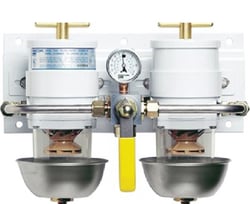
Racor 75500MAX2 Turbine Series Dual Fuel Filter with Rotary Valve, 2 Micron

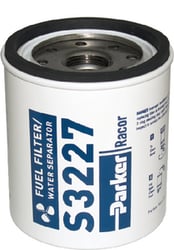
Racor S3227 Aquabloc Replacement Filter Element for Gas Spin-On Fuel/Water Separators
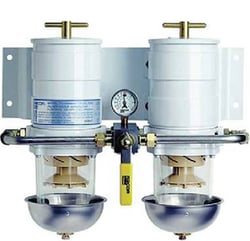
Racor 75500MAX30 Turbine Series Dual Fuel Filter with Rotary Valve 30 Micron
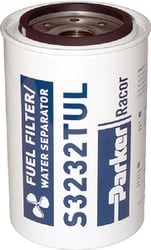
Racor S3232TUL Aquabloc Replacement Filter Element for Gas Fuel/Water Separators
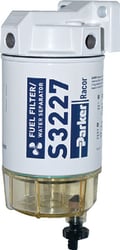
Racor 320R-RAC-01 Spin-On Fuel Filter Water Separator 10 Micron with Clear Bowl for Outboards
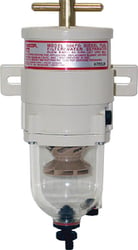
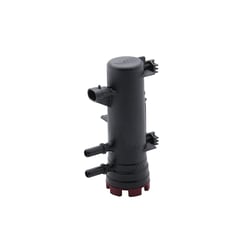
Quicksilver 8M0062950 Marine Fuel Filter for Mercury Verado Outboard Engines

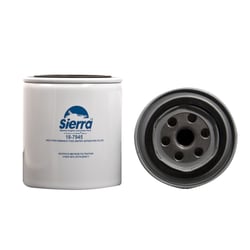
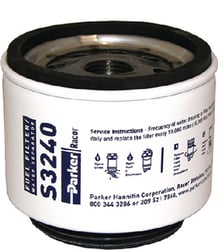
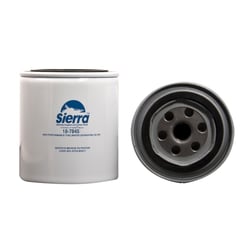
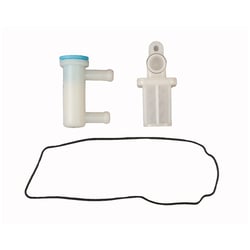
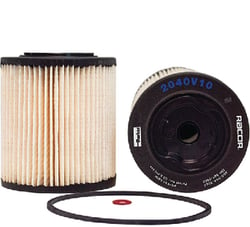
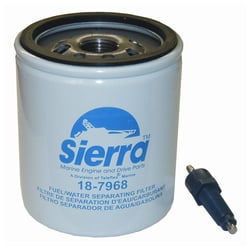
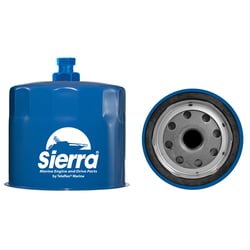
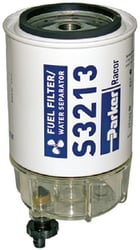
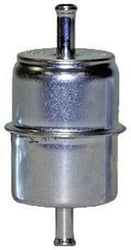

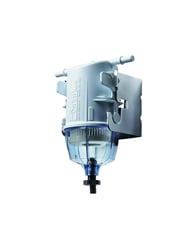
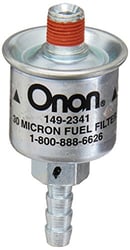

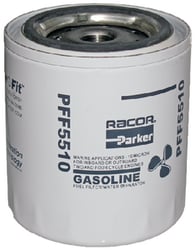
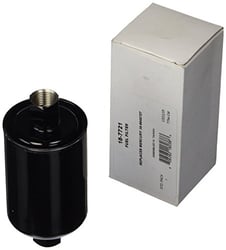
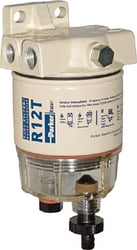
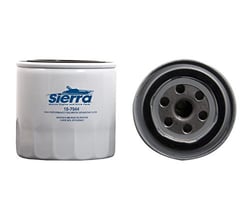
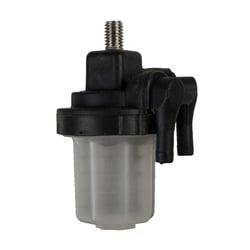
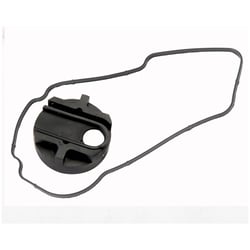
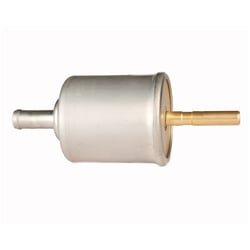
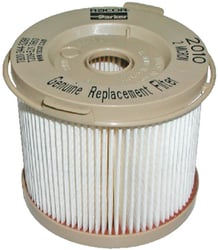
Racor 2010PM-OR Aquabloc Fuel Filter Element 30 Micron for 500 Series Turbine
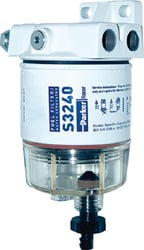
Racor 120R-RAC-01 Spin-On Fuel Filter Water Separator 10 Micron 30 GPH Outboard
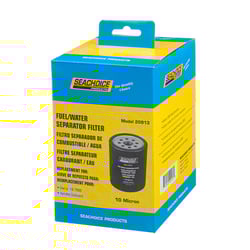

Why Fuel Filters Matter for Marine and RV Engines
Fuel filters remove contaminants and debris from fuel before it moves into the engine — and having clean fuel is imperative for keeping your overall fuel system healthy. Whether you're cruising offshore, navigating inland waterways, or heading out on a cross-country RV adventure, your engine's performance depends entirely on the quality of the fuel reaching it. A clogged or compromised fuel filter can have serious consequences: a worn-out fuel filter can restrict fuel flow, causing performance issues, increased fuel consumption, and even engine failure.
The Unique Demands of Marine and RV Fuel Systems
Marine environments introduce challenges that go far beyond what a typical automotive fuel system faces. Marina fuel tanks, particularly older ones, can collect water from condensation and have a surprising amount of sediment settled at the bottom. For RV owners, diesel fuel typically includes more impurities than regular gasoline, so diesel fuel filters usually include two filtration mediums — one to remove larger debris and water, the other to remove finer particles.
It's also worth noting that a regular automotive fuel filter isn't built for the marine world — car filters don't meet the strict U.S. Coast Guard fire safety standards, and they aren't designed for an enclosed engine space where gas fumes can build up, making them a potential fire hazard. Always choose a filter rated specifically for marine or RV use.
Types of Fuel Filters for Boats and RVs
- Primary Fuel Filters / Water Separators: Typically found between the fuel tank and engine, they remove larger debris and water. Many feature a transparent bowl so you can visually inspect for accumulated water without removal.
- Secondary Fuel Filters: Located closer to the engine, they provide finer filtration, protecting critical components. Secondary filters are located after the lift pump, are nearly always mounted on the engine, and are typically of the spin-on variety.
- Inline Fuel Filters: Inline marine fuel filters are installed directly within the fuel line and provide basic filtration for small debris and contaminants. These are a popular, easy-to-install choice for smaller outboard engines.
- Spin-On Fuel Filter/Water Separators: Spin-on fuel filters are commonly used in marine applications and combine filtration with water separation. These filters are easy to replace and offer excellent protection for outboards, inboards, and sterndrive engines.
Understanding Micron Ratings
Common marine filter elements are rated at 2–30 microns, with diesel engines often requiring finer filtration than gasoline engines. A coarser 30-micron primary filter catches larger particulates and bulk water first, while a finer 2–10 micron secondary filter captures the smaller contaminants that can damage precision fuel injectors. Adding a 10-micron fuel filter/water separator upstream of the engine's stock filter is a good way to reduce the contaminants that might load up the stock fuel filter.
How Often Should You Replace Marine and RV Fuel Filters?
Fuel filters are typically ready to be changed every 200–300 running hours or once a year. If fuel quality is suspicious or you're seeing more debris in the primary filters than normal, you should change them at half the normal interval. For RV motorhomes that sit idle for extended periods, if your vehicle sits idle in storage for long periods, consider changing the fuel filter because the fuel in that filter ages and can cause issues when you restart your engine.
Drain accumulated water from separator bowls whenever you see water or after rough weather and fuel dock fill-ups. It's also wise to carry spare filter elements and gaskets on board for quick underway service. Staying on top of fuel filter maintenance is one of the simplest, most cost-effective ways to protect a major engine investment — whether on the water or the open road.