



Fuel Valves
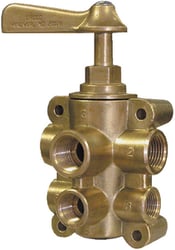

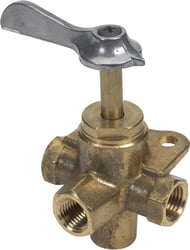

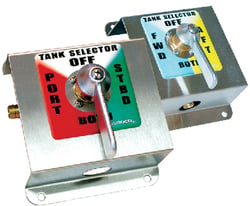
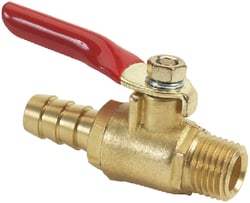
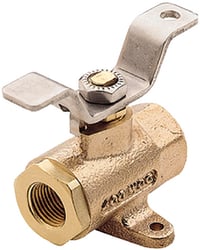
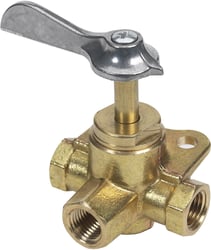
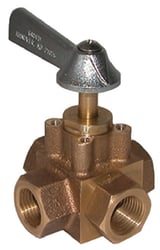
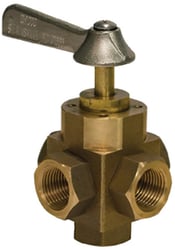
Groco TS-350-T 4-Way Tank Selector Valve Kit with Stainless Steel Mounting Bracket


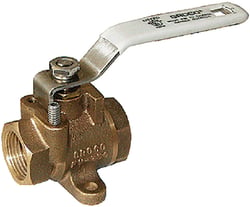
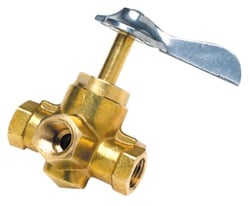

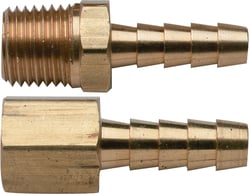
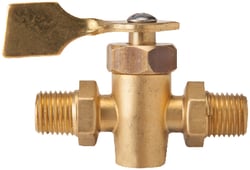

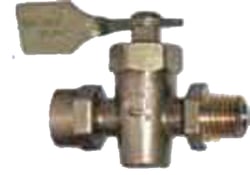

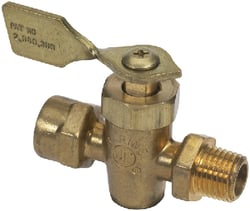
- 1
- 2
What Are Fuel Valves and Why Do They Matter?
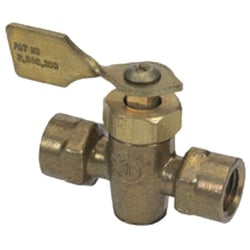
Fuel valves are among the most critical — and most overlooked — safety components in any marine, RV, or small engine fuel system. Whether you're piloting an inboard cruiser, towing an RV across the country, or firing up a lawn tractor, a properly functioning fuel valve gives you direct control over one of the most hazardous substances on board: gasoline. These compact fittings are installed in the fuel line, typically near the tank outlet, and serve as the first line of defense against fuel leaks, siphoning, and accidental spills.
How Fuel Valves Work
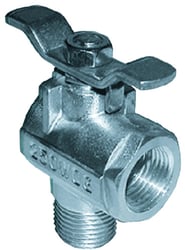
At their core, fuel valves work by physically opening or closing the fuel line to allow or stop the flow of fuel to the engine. Manual valves use a lever or knob for direct control, while automatic and solenoid-operated valves use electrical signals or spring-loaded mechanisms to open and close. In marine applications, the design of the valve matters enormously. A normally closed (NC) solenoid valve, for example, snaps shut any time electrical power is lost — creating a fail-safe condition that prevents fuel from flowing during a fault, collision, or power failure.
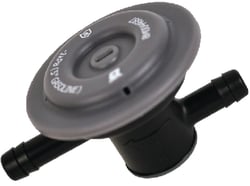
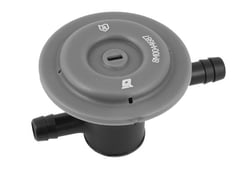
Anti-siphon valves represent another essential type found in boats. A siphoning fuel line can drain an entire tank into the bilge or engine compartment, creating a serious fire hazard. Anti-siphon valves use a spring-loaded mechanism at the tank outlet to prevent this kind of dangerous backflow. Like any precision component, these valves can become restricted over time due to corrosion, ethanol-blended fuels, or debris — making periodic inspection and replacement an important part of fuel system maintenance.
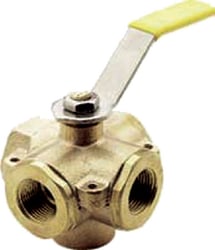
Selector valves — such as three-way and four-way designs — allow boaters with multiple permanent fuel tanks to draw from one tank at a time, giving greater range management flexibility without the risk of cross-feeding or accidental dual-tank siphoning.
Key Considerations When Shopping for Fuel Valves
- Valve type: Match the valve design (shut-off, anti-siphon, selector, or solenoid) to your specific application and fuel system layout.
- Thread size and fittings: Common sizes include 1/4" NPT and 3/8" NPT; always verify compatibility with your existing fuel lines and tank fittings.
- Material: Brass is the standard in marine environments for its corrosion resistance; aluminum and reinforced polymers are also used in specific applications.
- Compliance: For marine gasoline inboard engines, look for valves that meet ABYC H-24 standards — a key safety benchmark for the marine aftermarket.
- Application environment: Small engine and outdoor power equipment valves have different requirements than those used in saltwater marine environments, where corrosion resistance is paramount.
Top Brands in Fuel Valves
Moeller Marine is the go-to name for marine fuel valves. Their brass-constructed valves meet ABYC H-24 requirements and provide built-in anti-siphon protection, making them a trusted choice for OEM builders and boaters alike. Moeller's lineup spans shut-off, three-way, and four-way selector valve configurations to suit virtually any inboard or outboard fuel system.
For small engine and outdoor power equipment applications, Briggs & Stratton offers genuine OEM fuel shut-off valves designed to exact factory specifications. These parts are manufactured and tested to deliver optimum performance and help ensure EPA emission compliance for Briggs & Stratton-powered equipment including lawn mowers and generators.
European performance and precision come to the fuel system with Pierburg, a respected name in fuel management components, particularly for automotive and marine engine applications requiring tight tolerances and reliable flow regulation.
Rounding out the category, Attwood Marine brings decades of marine hardware expertise to fuel system components, supplying boaters with quality fittings designed to withstand the demands of freshwater and saltwater environments.