



Cable Clamps
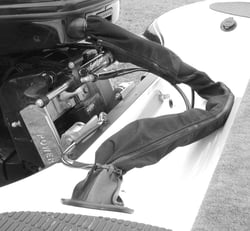


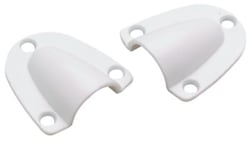

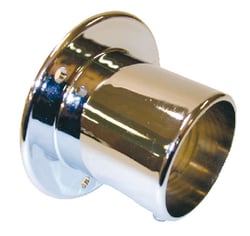
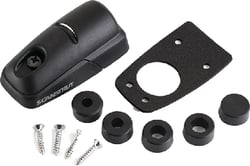

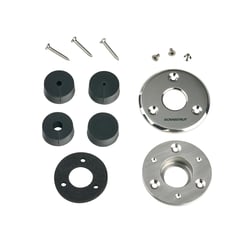
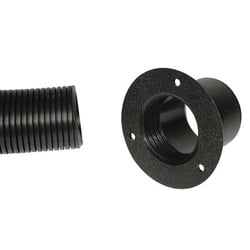
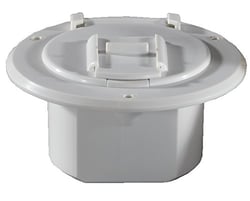

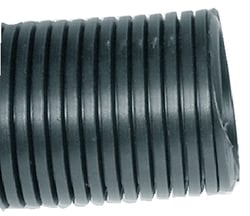
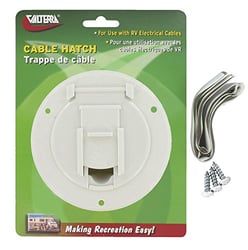
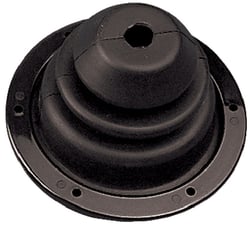
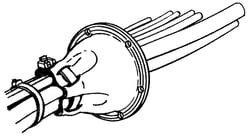
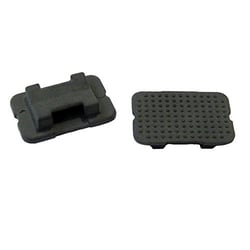
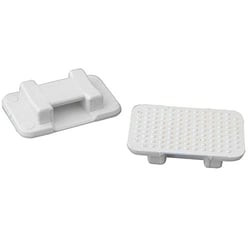
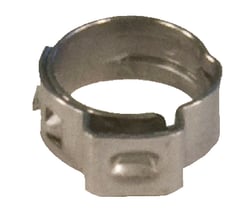
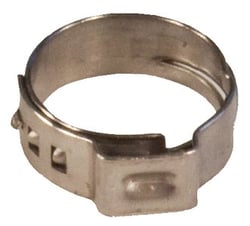
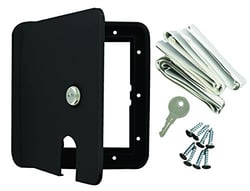
 Representative Photo, actual item may vary






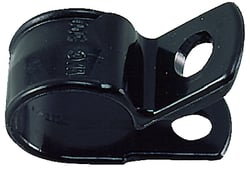

What Are Cable Clamps?
Cable clamps are mechanical fasteners designed to secure, route, and protect electrical wiring aboard boats, RVs, and other vehicles. While they may seem like a minor detail in any electrical installation, their role is anything but small. Loose or unsupported wiring can cause insulation wear, short circuits, or even fires — cable clamps keep wires anchored firmly in place, preventing them from rubbing against rough surfaces, sharp edges, or moving components.
Why Cable Clamps Matter in Marine & RV Electrical Systems
The marine and RV environments are uniquely demanding. Constant vibration, exposure to moisture, saltwater, UV radiation, fuel vapors, and wide temperature swings all conspire to degrade electrical systems over time. Proper wire support is not just good practice — it is a safety standard. The American Boat & Yacht Council (ABYC) specifies that conductors must be supported throughout their length and secured at least every 18 inches, using clamps that resist grime, gasoline, and water across a temperature range of -34°C to 121°C. Choosing the right cable clamp is one of the most direct ways to keep your electrical installation compliant, reliable, and safe.
Types of Cable Clamps
Understanding the different types of cable clamps helps you choose the best solution for your specific application:
- Nylon Cable Clamps: Lightweight and non-conductive, nylon clamps are resistant to oils, acids, solvents, and moisture, making them a go-to for general-purpose marine and RV wiring. They absorb shock and vibration, reduce unwanted noise, and are available in a wide range of sizes for single wires or bundled harnesses.
- Stainless Steel Cable Clamps: For demanding environments — engine compartments, bilge areas, or any installation exposed to saltwater or corrosive chemicals — stainless steel clamps offer superior strength and corrosion resistance. Both 304 and 316 grades are common, with 316 providing maximum protection in saltwater settings.
- Cushioned Cable Clamps: These clamps feature a rubber or silicone lining that cushions cables from vibration and abrasion, making them ideal for high-vibration environments like engine rooms or generator compartments. The cushion also prevents the clamp from cutting into wire insulation.
- Saddle Clamps: Well-suited for flat cables or grouped round wires, saddle clamps provide both support and strain relief and often include padding to reduce abrasion on cable jackets.
Key Considerations When Shopping for Cable Clamps
Selecting the right cable clamp comes down to a few important factors:
- Material: Use nylon for protected interior runs where corrosion is not a concern. Opt for stainless steel wherever the installation is exposed to saltwater, fuel vapors, or extreme temperatures.
- Size: Cable clamps range from micro sizes for individual wires to heavy-duty options for thick wire bundles. Always match the clamp diameter to the cable or harness you are securing — too tight risks damaging insulation, too loose defeats the purpose.
- Mounting Method: Most clamps mount with a single screw, making installation fast and straightforward. Adhesive-backed variants exist for light-duty use but are generally not recommended for permanent marine installations due to adhesion failures in wet environments.
- Spacing: Follow ABYC guidelines and support wiring at regular intervals — typically every 18 inches — to prevent sagging, chafing, and fatigue cracking at termination points.
- Environment: For outdoor or exposed locations, look for clamps with UV inhibitors. In engine compartments and high-heat zones, use metal clamps rated for elevated temperatures.
A Complete Wire Management Solution
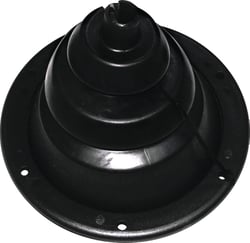
Cable clamps work best as part of a comprehensive wire management approach. Pair them with split loom conduit to shield wire runs from abrasion and heat, use marine-grade cable ties for bundling, and install grommets wherever wires pass through bulkheads or panels. Together, these components create an organized, professional-grade electrical installation that stands up to years of use on the water or on the road.