



Ignition Kill Switches
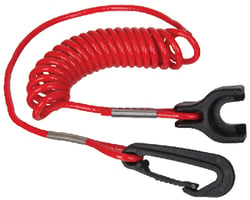

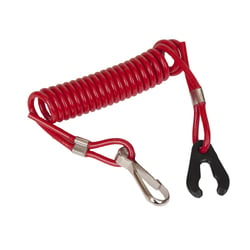

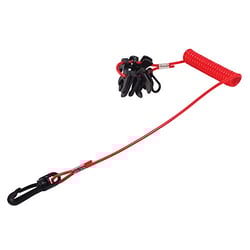

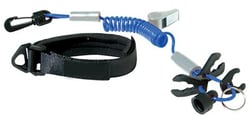


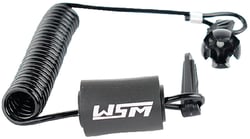

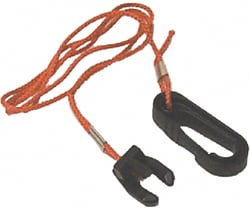

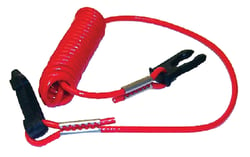
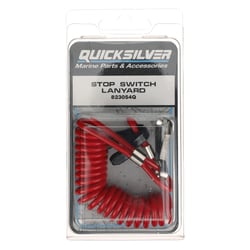
Quicksilver 823054 Stop Switch Safety Lanyard Fork Style for Mercury Outboard Engines
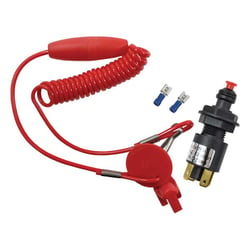
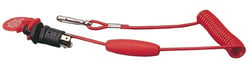
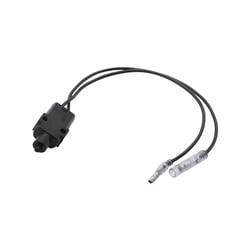
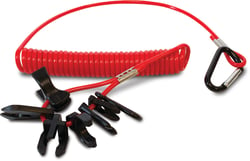
Engineered Marine Products 28-40970 Marine Engine Cut-Off Kill Switch with Lanyard
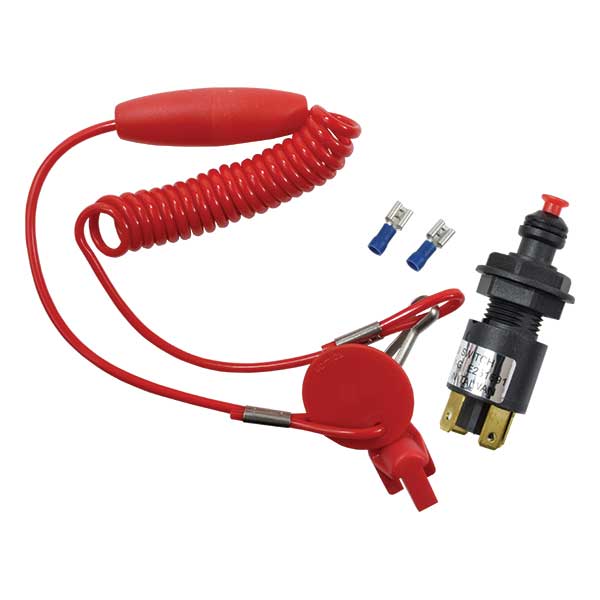 Representative Photo, actual item may vary
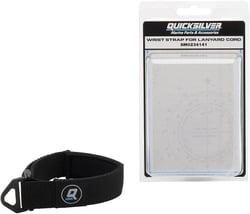
What Is an Ignition Kill Switch?
An ignition kill switch — also called an engine cut-off switch, safety lanyard switch, or emergency stop switch — is one of the most critical safety devices on any powered watercraft or recreational vehicle. Its sole purpose is simple but vital: ignition kill switches instantly interrupt the ignition circuit and stop the engine when activated, preventing a runaway vessel or a dangerous propeller strike in an emergency.
The most common design uses a tethered lanyard system. The kill cord connects to a switch on the engine or dashboard, with one end clipping to the operator's lifejacket, wrist, or thigh. If the helmsperson is thrown from the seat or falls overboard, the lanyard pulls free, opening the ignition circuit and cutting the engine immediately. When the lanyard clip is in place on the switch, the circuit remains closed and the engine runs normally; removing the clip opens the circuit and shuts off the engine.
Why Kill Switches Matter: Safety & Legal Compliance
Kill switches are far more than a convenience item — they are a legal requirement on many recreational powerboats. The U.S. Coast Guard has long recognized engine cut-off switches as a key measure for preventing fatalities and injuries, particularly from propeller strikes involving solo operators of powerboats. Many states and jurisdictions mandate their use, and marine industry standards from organizations like the ABYC have formalized their design requirements.
Beyond compliance, the real-world consequences of a missing or faulty kill switch can be severe. A throttle malfunction, a sudden wake, or an unexpected slip at the helm can send an unoccupied boat careening at full speed — a scenario that a functioning kill switch can prevent in an instant. Regular inspection of the switch mechanism and the lanyard itself is an essential part of any pre-launch checklist.
Types of Ignition Kill Switches
- Lanyard (Tethered) Kill Switches: The most widely used type, featuring a coiled or straight cord clipped to the operator. Standard on outboard, inboard/outboard, and inboard engine installations.
- Push-Button / Panel-Mount Switches: Installed directly in the helm panel, these offer a manual emergency stop option independent of the lanyard.
- Wireless Kill Switches: Modern man-overboard (MOB) systems that use a wearable fob or transmitter; ideal for multi-crew boats where a single tethered lanyard may be impractical.
- Dual-Engine Kill Switches: Designed with two completely isolated circuits to prevent electrical feedback from one engine to the other — essential for twin-engine vessels.
Top Brands for Marine Ignition Kill Switches
Sierra is a go-to name in marine replacement parts, offering a broad catalog of rigorously engineered ignition and safety components trusted by boaters and marine technicians alike. Sierra's kill switches are designed to meet or exceed OEM specifications, making them a reliable choice for replacement applications.
Atlantis offers one of the widest selections of ignition kill switches in this category, with options spanning a variety of engine types and mounting configurations — making it easy to find the right fit for nearly any vessel.
SafeTboy focuses specifically on safety-oriented marine components, bringing dedicated attention to the design and reliability of emergency stop systems for both recreational and working boats.
SeaSense is a well-known supplier of practical, value-driven boating accessories, and their kill switch offerings provide straightforward compliance and safety solutions for everyday boaters.
Seachoice rounds out the lineup with marine-grade hardware designed for durability in harsh saltwater environments, providing dependable emergency cut-off performance for a wide range of applications.
What to Look for When Shopping
When selecting an ignition kill switch, start by confirming compatibility with your engine type — outboard, inboard, or inboard/outboard — and verify the switch's terminal configuration and wiring requirements. Look for marine-rated construction with corrosion-resistant materials, since switches live in a relentlessly wet environment. For twin-engine boats, opt for a dual-circuit switch that isolates each engine's ignition independently. Finally, always verify that the switch meets applicable USCG and ABYC safety standards before installation.