



Navigation
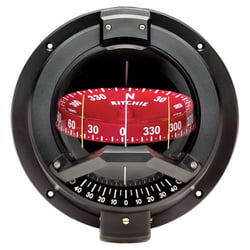
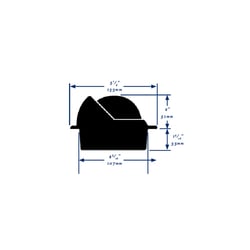
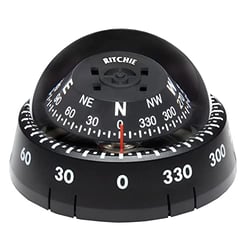
Ritchie Navigation BN-202 Navigator Compass Bulkhead Mount 4.5" CombiDial with Inclinometer

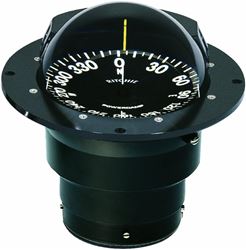
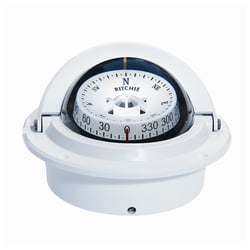
Ritchie Navigation F-83 Voyager Flush Mount Marine Compass with CombiDial - Black
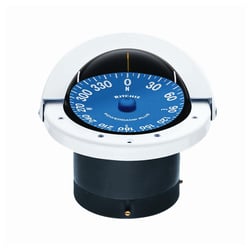
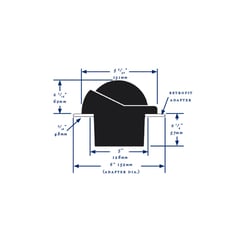
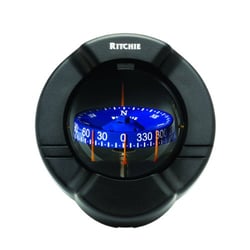
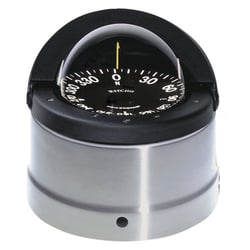
Ritchie Navigation DNP-200 Navigator Deck Mount Marine Compass Polished Stainless Steel
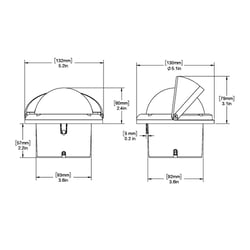
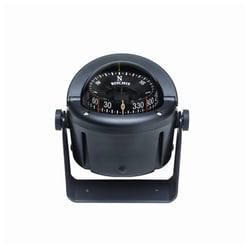
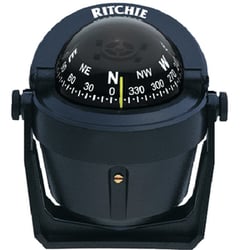
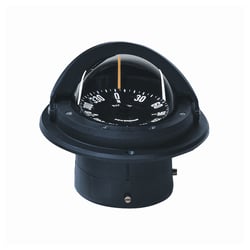
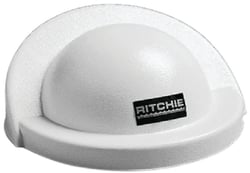
Ritchie Navigation N203C Protective Compass Cover for Navigator & SuperSport Series






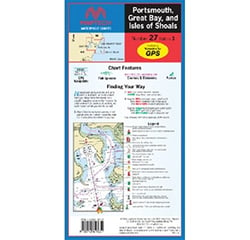
Maptech WPC027-03 Waterproof Chart 27 Portsmouth to Great Bay Islands & Shoals
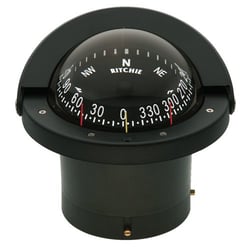
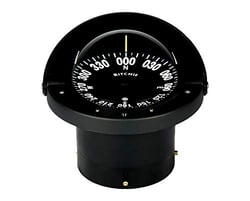
Essential Marine Navigation Equipment for Safe Voyaging
Marine navigation equipment forms the backbone of safe passage on the water. From traditional magnetic compasses to hand bearing instruments and reference materials, proper navigation gear ensures mariners can maintain accurate headings, plot courses, and stay oriented—whether piloting coastal waters, crossing open ocean, or navigating inland waterways. While GPS and electronic chartplotters have become ubiquitous in modern boating, reliable navigation instruments provide critical backup when electronics fail or lose power, making them essential equipment on any vessel from small fishing boats to offshore cruisers.
Why Quality Navigation Instruments Matter
Navigation equipment serves a fundamental safety role that transcends convenience. A dependable compass provides real-time heading data without relying on satellites or electrical power, functioning reliably even in severe weather conditions that might compromise electronic systems. Magnetic compasses are particularly critical for dead reckoning navigation when landmarks disappear and GPS signals become unavailable. Quality marine navigation instruments are engineered to withstand vibration, moisture, temperature extremes, and the corrosive marine environment while maintaining accuracy under pitch and roll conditions. Many incorporate specialized dampening systems, sapphire jewel movements, and compensators that correct for magnetic deviation caused by metal hulls or nearby electronics.
Beyond compasses, log books and reference books document voyage data, tidal information, and navigation rules that every competent mariner should have aboard. Hand bearing compasses allow navigators to take quick magnetic bearings on landmarks or floating objects for position fixing, while navigation parts and accessories ensure instruments remain properly mounted, illuminated, and protected from the elements.
Leading Navigation Equipment Manufacturers
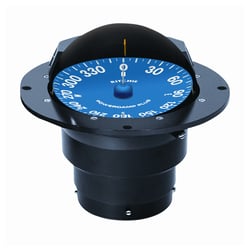
Ritchie Navigation stands as the marine industry leader in magnetic compass manufacturing, with a heritage dating back to 1850 when physicist Edward S. Ritchie developed the first U.S.-manufactured marine compass. The company pioneered liquid-filled compass designs and continues to innovate with proprietary technologies like DirectiveForce magnets, PowerDamp vibration dampening systems, and CombiDial designs that enable reading from multiple angles. Ritchie compasses range from compact kayak models to professional-grade binnacle-mounted Navigator series instruments, all featuring hardened steel pivots and triple-cup sapphire jewel movements for smooth operation under the most challenging conditions.
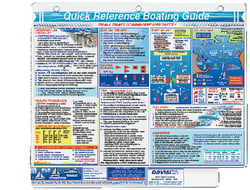
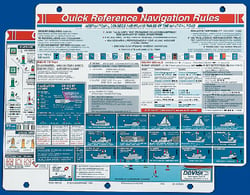
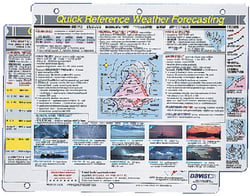
Davis Instruments offers a comprehensive selection of navigation tools beyond traditional compasses, including precision sextants for celestial navigation, hand bearing compasses for quick position fixes, and reference materials covering navigation rules and piloting techniques. Their Mark 15 and Mark 25 sextants provide backup navigation capability when electronic systems fail, while their educational materials help boaters understand fundamental navigation principles.
Eldridge Tide Book provides essential tidal and current information that mariners rely on for safe passage planning in coastal waters, making it a staple reference aboard vessels navigating tidal zones.
Choosing the Right Navigation Equipment
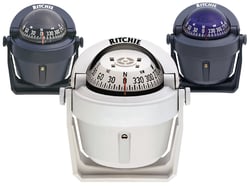
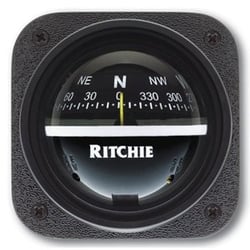
Selecting appropriate navigation instruments depends on vessel type, mounting preferences, and intended use. Compasses come in various mounting styles including flush-mount, bracket-mount, bulkhead, and binnacle configurations, each suited to different helm layouts. Dial designs—flat card, direct read, or combination—affect readability from different viewing angles. Larger vessels benefit from compasses with bigger dials, built-in illumination for night navigation, and internal gimbal systems that maintain stability during adverse pitch and roll. Proper installation away from speakers, wiring bundles, and ferrous metals ensures magnetic accuracy, while built-in compensators allow fine-tuning for local magnetic variation.
Whether outfitting a new vessel or upgrading existing equipment, investing in quality marine navigation instruments from established manufacturers ensures reliable performance when accurate course information matters most.