



Compasses
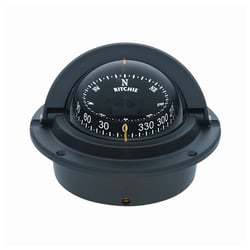

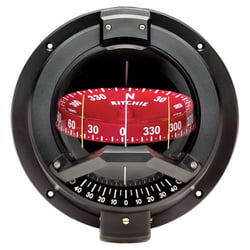
Ritchie Navigation BN-202 Navigator Compass Bulkhead Mount 4.5" CombiDial with Inclinometer
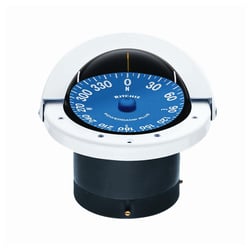

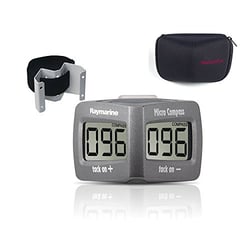

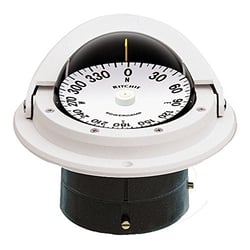
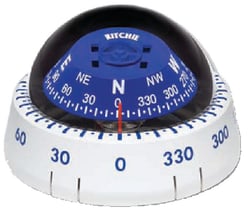
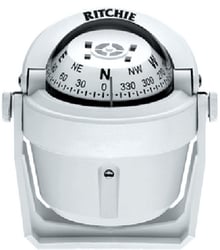
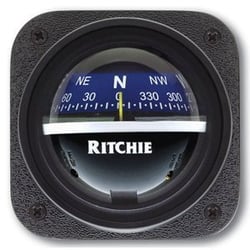
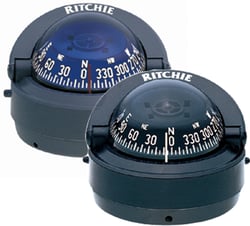
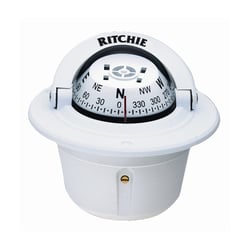
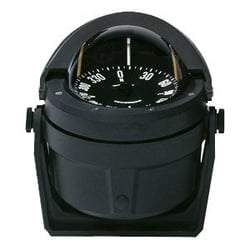
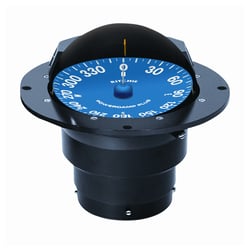
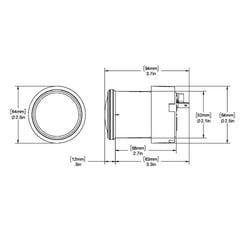
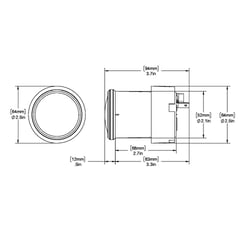
Ritchie Navigation SS-5000W SuperSport Flush Mount Compass White Compasses - 5 Inch
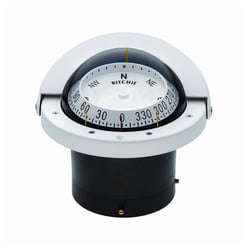
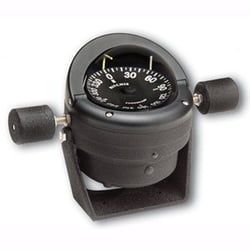
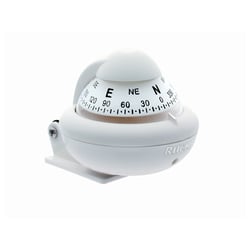
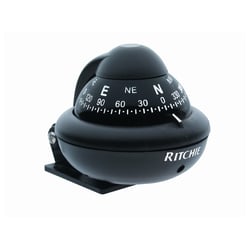
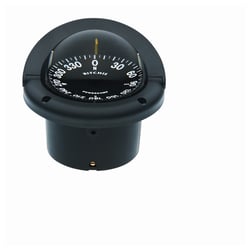
 Representative Photo, actual item may vary
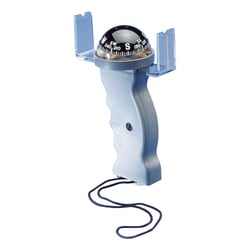

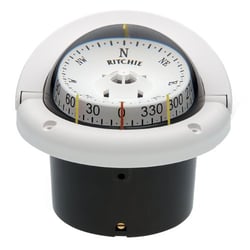
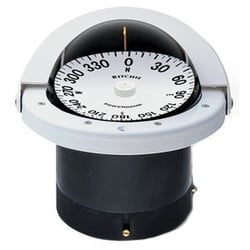
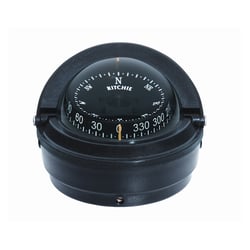
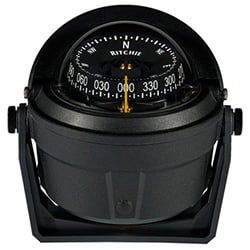
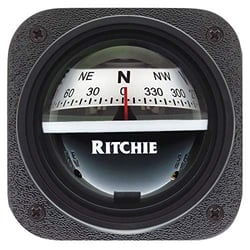
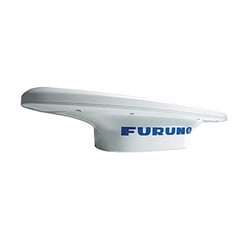
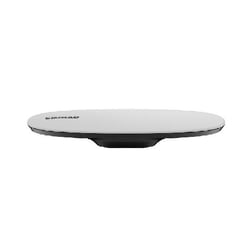

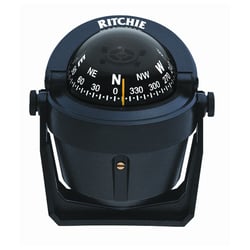
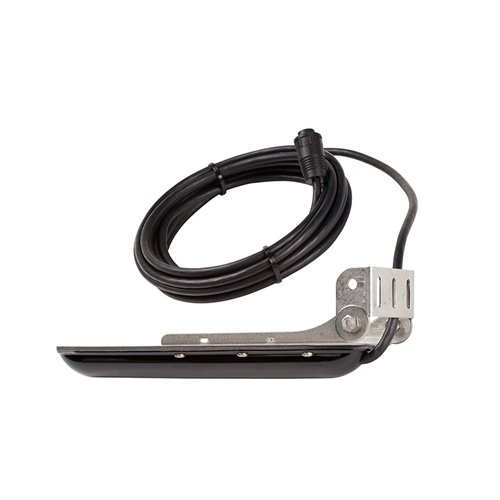 Representative Photo, actual item may vary

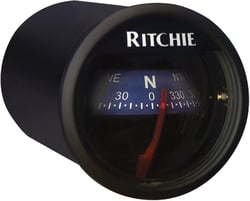
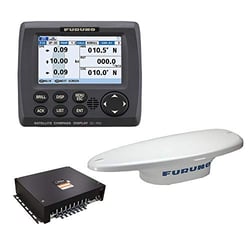
Furuno SC70 Satellite Compass with Dual Antenna GPS/GLONASS/Galileo and 4.3" LCD

Why a Compass Is Still the Most Essential Navigation Instrument Aboard
In an era of GPS chartplotters, touch-screen multifunction displays, and satellite routing, the humble compass remains one of the most critical instruments on any vessel or RV. A magnetic compass requires no power, no satellite signal, and no software update — it simply works, in any weather, at any time. Marine and RV compasses are not a backup afterthought; they are the foundational layer of safe navigation that every experienced mariner and overlander keeps close at hand.
Understanding why compasses endure starts with understanding what they do. A quality marine compass uses Earth's magnetic field to provide a real-time, continuous heading reference. Unlike GPS, which calculates position and derives heading from movement, a magnetic compass delivers instantaneous directional data even when your vessel is stationary, anchored in a cove, or sitting at a dock. For offshore passages, coastal cruising, or navigating unfamiliar waters at night, that distinction matters enormously.
What to Look for When Choosing a Marine Compass
Selecting the right compass comes down to several key factors: mounting style, dial type, vessel size, and operating environment. Mounting options typically include flush, surface, bulkhead, bracket, and binnacle configurations, each suited to different helm layouts and vessel types. Dial style is equally important — flat card dials are read from above, direct-read dials are read from eye level, and combi-dials offer the flexibility of both orientations, making them popular on sailboats where the helmsman's position varies.
Compass fluid damping is another critical consideration. Liquid-filled compass bowls reduce card oscillation in rough seas and provide smoother, more readable headings underway. Buyers should also look for built-in compensators or corrector magnets that allow for deviation adjustment, especially on steel-hulled vessels where onboard magnetic interference can affect accuracy.
Top Compass Brands for Marine and RV Use
Ritchie Navigation is the undisputed leader in marine compasses. Ritchie Navigation traces its roots to 1850, when physicist Edward S. Ritchie developed the first U.S.-manufactured marine compass using a pioneering liquid-filled design. Today, with a lineup spanning the Explorer, Voyager, Navigator, Globemaster, and RitchieSport series, Ritchie offers compasses for every vessel type — from offshore powerboats to sea kayaks.
For mariners seeking cutting-edge electronic heading solutions, Furuno brings its legendary marine electronics expertise to the compass category. Furuno's Satellite Compass lineup uses GNSS technology — drawing from GPS, GLONASS, and Galileo constellations — to deliver highly accurate heading data that integrates seamlessly with radar, autopilot, and chartplotter systems, making it a top choice for serious offshore and commercial applications.
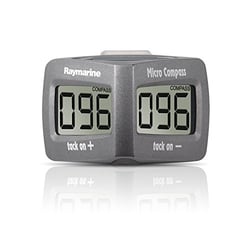
Raymarine rounds out the electronic heading solutions segment, offering compass transducers and fluxgate-based instruments designed to integrate tightly with Raymarine's broader ecosystem of navigation electronics, including autopilots and multifunction displays.
Davis Instruments is a trusted name in practical, affordable marine navigation tools. Their illuminated hand bearing compass is a favorite among sailors and racers for quickly obtaining magnetic bearings on objects ashore or afloat — a technique that remains indispensable for coastal piloting and racing tactics.
Finally, Lowrance — renowned for its fishfinders and GPS chartplotters — also extends into the compass category, offering heading sensor solutions that pair with their broader suite of on-water electronics for a unified navigation experience.
Magnetic or Satellite: Which Compass Is Right for You?
For most recreational boaters, a quality magnetic compass from a proven manufacturer is the essential starting point — reliable, maintenance-free, and always-on. For bluewater cruisers, commercial operators, and anyone integrating advanced autopilot or radar systems, a satellite compass adds a new tier of heading precision and system compatibility. Many experienced mariners opt for both: a magnetic compass as the primary standalone reference, and an electronic heading sensor feeding the onboard electronics suite.