



Log Books/Reference Books

Why Every Boater Needs a Marine Log Book or Navigation Reference
Marine log books and navigation reference books are foundational tools of seamanship — as essential aboard a vessel as a compass or chart. Log books and reference books serve both practical and legal purposes, helping captains and crews record voyages, track maintenance, document emergencies, and stay prepared on the water.
A nautical log book is far more than a captain's diary. Today's ship's log is a record of operational data that can include weather conditions, times of routine events, significant incidents, crew complement, and ports of call. Most national maritime authorities specify that logbooks be kept to help crews navigate should radio, radar, or GPS fail — making them a critical backup resource when electronics let you down. Entries typically cover departure and destination ports, course headings, wind speed and direction, navigation notes, maintenance performed, and any anomalies discovered along the way.
Beyond compliance and safety, a well-maintained log book becomes an invaluable personal reference. Entries can document navigational hazards like shoaling or tricky channels, note good anchorages, and serve as a record that can be shared with fellow boaters. Many serious mariners find a consistent log habit genuinely rewarding, building a rich history of every voyage.
Navigation Reference Books and Quick Reference Cards
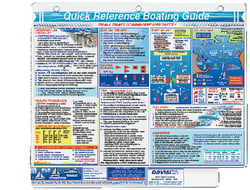
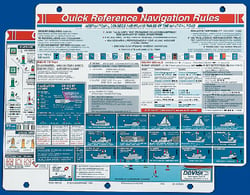
Alongside traditional log books, navigation reference books and quick-reference cards give boaters at-a-glance access to critical knowledge — from international navigation rules and buoyage systems to celestial navigation techniques and weather forecasting. These laminated or printed guides are designed for use underway, condensing complex maritime information into a format that's quick to consult when it matters most. Whether you're a weekend cruiser brushing up on the ColRegs or an offshore sailor working out a celestial fix, a good reference card can be just as important as your chart plotter.
What to Look for When Shopping Log Books and Reference Books
- Durability: Marine environments are tough on paper. Look for weatherproof, water-resistant materials or laminated cards that hold up to spray and humidity.
- Format: Consider the size of your cockpit or nav station. Compact quick-reference cards work well at the helm; larger bound log books are better suited to the chart table.
- Coverage: Make sure the reference material covers the waters and regulations relevant to you — inland rules, COLREGS, coastal piloting, or celestial navigation, depending on where you cruise.
- Pre-formatted vs. blank: Pre-formatted log books with structured entry fields make record-keeping fast and consistent, while blank journals offer flexibility for custom note-taking.
Featured Brand: Davis Instruments
Davis Instruments is one of the most trusted names in marine navigation tools, with a long-standing reputation for producing accurate, practical, and durable products for the boating community. Their Quick Reference Cards are a standout product in this category — professional-grade, full-color laminated guides covering topics like coastwise piloting, celestial navigation, international navigation rules, and weather forecasting. Compact enough to keep at the helm and detailed enough to serve as a real teaching and reference tool, Davis navigation cards have earned a following among cruisers, racers, and sailing instructors alike.