



Ventilation
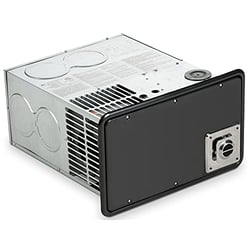

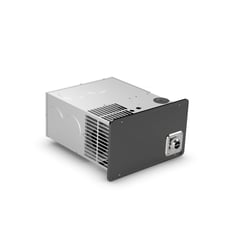

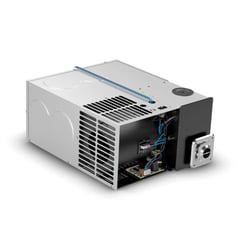




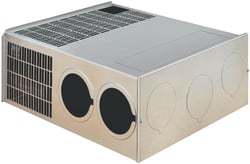



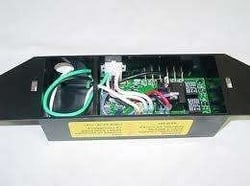
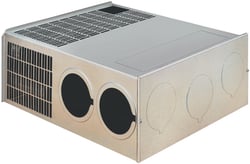
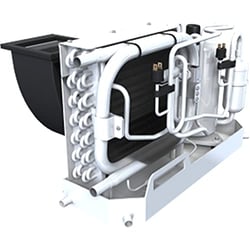
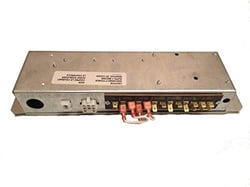
Coleman 8330752 Cool Only Control Box Assembly for Non-Ducted RV Air Conditioner

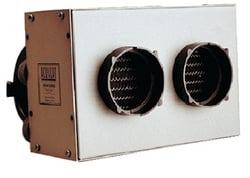





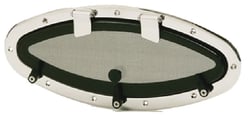


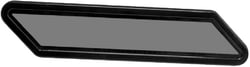
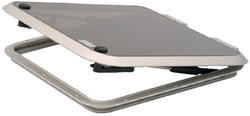
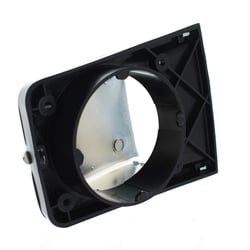
Beckson Marine PF128BS Newport Parallelogram Fixed Port Black Body Smoked Lens



Why Ventilation Matters on the Water and on the Road
Whether you're navigating open water aboard a cruiser or rolling down the highway in your RV, a well-designed ventilation system isn't a luxury — it's a necessity. Proper ventilation regulates interior temperature, controls humidity, removes stale air and fumes, and keeps passengers and crew comfortable no matter what the conditions outside. From high-capacity air conditioning systems that battle summer heat to robust heating solutions that extend your season well into colder months, the right ventilation setup transforms any vessel or vehicle into a livable space.
A Full Ecosystem of Climate Control
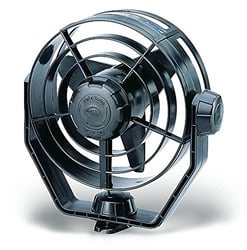
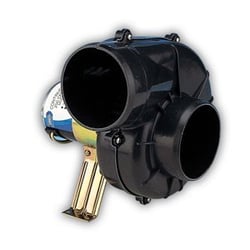
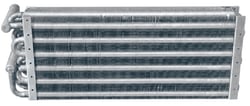
Modern ventilation is more than a single component — it's an ecosystem. Air conditioning units handle the heavy lifting of cooling, often providing reverse-cycle heating as a secondary function. Standalone heating systems — from diesel-fired air heaters to hydronic units — ensure warmth in the cabin when temperatures drop. Hatches play a dual role: they admit natural light and passive airflow while providing watertight security when conditions deteriorate. Dedicated fans circulate conditioned air throughout the cabin and can dramatically reduce the load on mechanical systems. Meanwhile, blowers are essential for engine compartment safety, clearing potentially explosive fuel vapors before every start — a task mandated by federal regulations for many gasoline-powered vessels.
Choosing the right combination of these systems depends on the size of the space being conditioned, the climate you operate in, your power budget (12V DC vs. shore power), and whether you need year-round comfort or seasonal solutions. BTU ratings, airflow capacity in CFM, noise levels, and corrosion resistance are all key factors to evaluate when comparing products across any of these subcategories.
Top Brands in Ventilation
Dometic is the dominant force in this category, offering an expansive lineup covering marine and RV air conditioning, heating, and ventilation accessories. Dometic provides complete climate systems available in a variety of capacities, all designed for fast and easy retrofitting — making them a go-to choice whether you're outfitting a new build or upgrading an aging system. Their iconic Penguin, Brisk Air, and FreshJet lines are found on RVs of every size, while the Marine Air EnviroComfort series serves boaters seeking year-round climate control.
Webasto brings German engineering precision to marine ventilation, excelling in both heating and cooling. The Webasto product portfolio ranges from compact air-conditioning systems to large chiller systems for sailboats, motorboats, and yachts, offering cooling capacities from 6,000 to 1,000,000 BTU/h — a range that covers everything from a small day cruiser to a large superyacht. Their FCF and BlueCool series are especially well regarded for quiet operation and corrosion-resistant construction.
Furrion has carved out a strong niche in the RV space with a focus on smart, connected climate systems. Furrion's Chill air conditioners are recognized for their low-profile designs and compatibility with modern RV power management systems, including solar and lithium setups.
Bomar is a benchmark name for marine hatches and deck closures. Manufactured in the USA and trusted by commercial boatbuilders worldwide, Bomar hatches are backed by a legacy of performance and support. Known for using high-grade stainless steel and extruded aluminum, Bomar products provide unmatched security and weather protection for cabins and engine rooms.
Coleman is one of the most recognized names in RV rooftop air conditioning, with a long history of producing dependable, easy-to-service units at accessible price points. Coleman's Mach series has been a factory-installed staple on RVs across North America for decades, making replacement parts and upgrades easy to source.
Choosing the Right Ventilation System
- Measure your BTU needs: Match the cooling or heating capacity to the cubic footage of the space. Undersized units run continuously and never reach comfort; oversized units cycle too quickly and leave humidity behind.
- Consider power requirements: Marine and RV AC systems typically require shore power or a generator. Fans and blowers can often run on 12V DC, making them useful when electrical hookups aren't available.
- Prioritize corrosion resistance: In marine environments, look for aluminum or stainless steel components, anodized finishes, and sealed electronics to ensure long service life.
- Don't overlook passive airflow: A strategically placed hatch or ventilator can work alongside mechanical systems to reduce energy consumption and improve air quality.
- Safety first for blowers: Engine compartment blowers are a safety-critical component — ensure any replacement meets ABYC and USCG standards for your vessel type.