



Ports



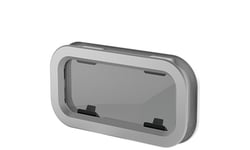
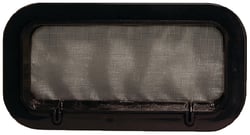
What Are Marine Ports?
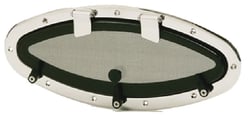
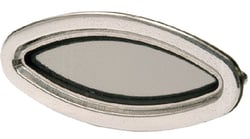
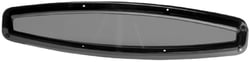
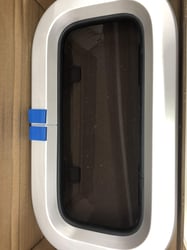
Marine ports — commonly called portlights — are framed openings fitted into a boat's hull, cabin sides, or deck structure. Unlike a standard window, a properly designed marine port is built to withstand constant exposure to saltwater, UV radiation, and the flexing stresses of an underway vessel. Opening portlights serve a dual purpose: they admit natural light below decks while allowing fresh air to circulate through cabins and interior spaces.
Why Proper Ventilation Ports Matter
Adequate onboard ventilation is one of the most important — and frequently underestimated — aspects of boat ownership. Marine ventilation systems are engineered to maintain healthy air circulation and remove harmful fumes. A well-ventilated vessel benefits from reduced moisture and mold growth, regulated interior temperature, and protection of electrical and mechanical systems from corrosion. For any boat with a gasoline engine or enclosed fuel system, ventilation is not just a comfort issue — it is a critical safety requirement, as fuel vapors that accumulate below decks can pose a serious explosion hazard.
Ports fit naturally into a broader ventilation strategy alongside hatches, dorade vents, and powered blowers. While hatches typically provide large-area airflow from the deck, portlights are mounted in cabin topsides and hull sides, delivering cross-ventilation that moves stale, humid air out of living spaces. Many opening portlights also feature screens to keep insects out while the boat is at anchor.
What to Look for When Shopping Marine Ports
Selecting the right marine port involves balancing several practical factors:
- Material: Cast aluminum, stainless steel, and high-grade plastics are the most common frame materials. Each offers different levels of corrosion resistance, weight, and aesthetic appeal.
- Lens type: Acrylic and LEXAN lenses offer excellent light transmission and impact resistance, while tinted options help manage solar heat gain in warm climates.
- Opening vs. fixed: Opening portlights allow ventilation on demand; fixed ports are a simpler, more watertight solution where ventilation is provided elsewhere.
- Sealing and dogs: Look for compression-fit gaskets and secure locking dogs to ensure a watertight seal in rough conditions.
- Size and cutout dimensions: Always match port dimensions carefully to the existing hull cutout, or plan for a proper cutout if installing new.
Top Brands in Marine Ports
Bomar is one of the most respected names in the marine port and hatch industry. Bomar, a division of Pompanette LLC, has designed and manufactured ports, hatches, windows, and doors for the marine industry for several decades, earning a reputation for innovative design and high-quality materials. Today, Bomar portlights are specified by top-tier boat builders worldwide, and the brand's lineup spans everything from classic cast aluminum portlights to modern stainless steel series — making them a go-to choice for both new builds and restoration projects.