



Blowers
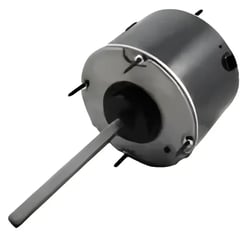

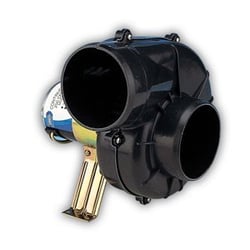

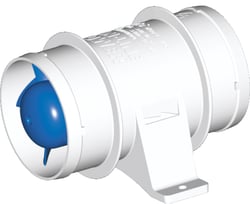


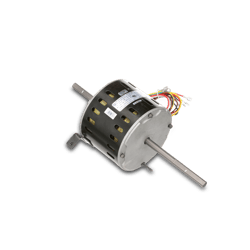
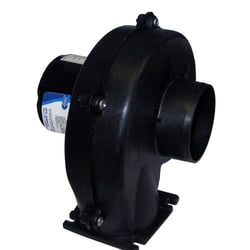
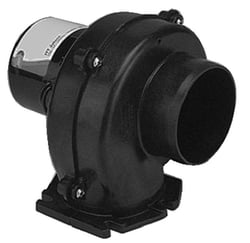
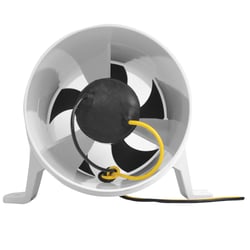

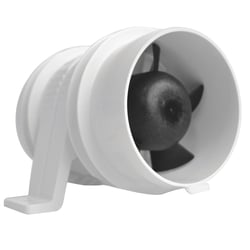
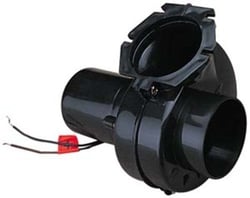

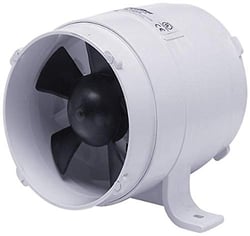
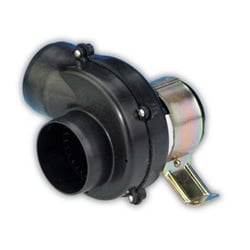
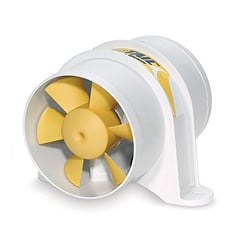

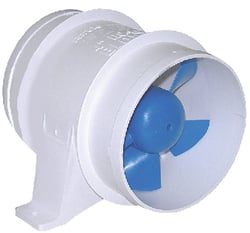
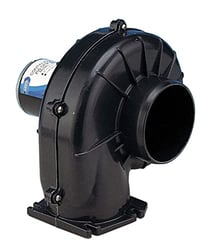
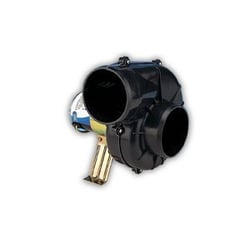
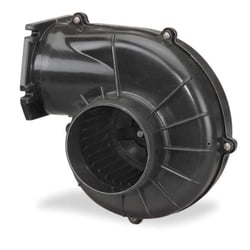
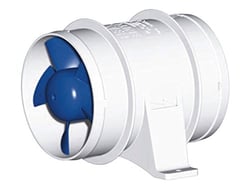

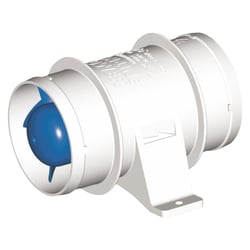
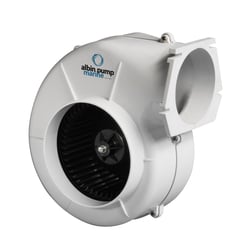

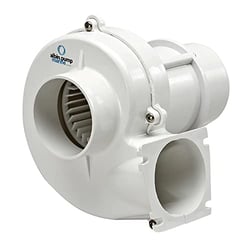
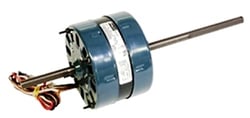

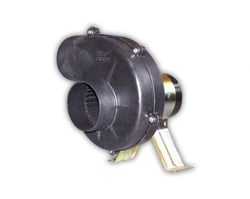
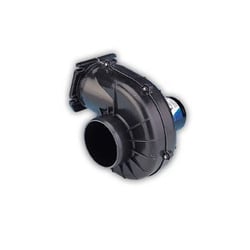
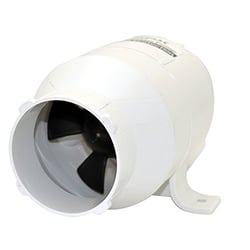
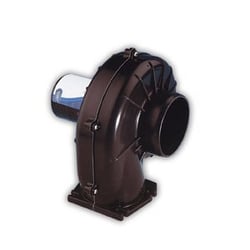
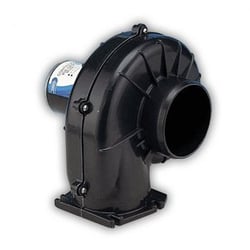
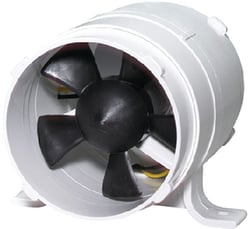

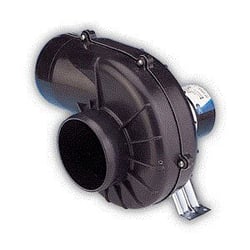
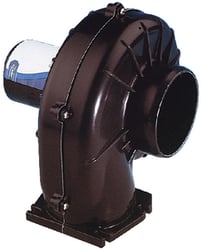
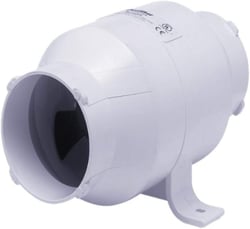
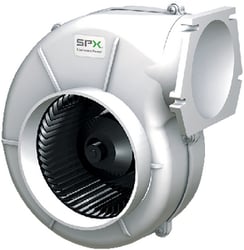
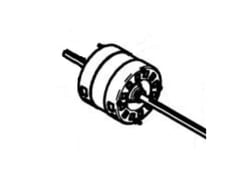
Johnson Pumps 80-47417-01 AirV 4-550 12V Marine Radial Blower Flange Mount
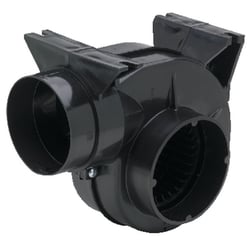
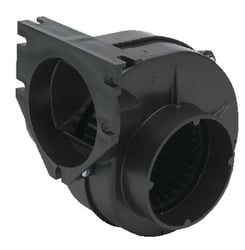
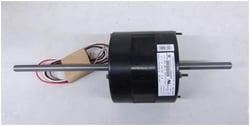
Why Marine & RV Blowers Are Essential Safety Equipment
When it comes to life aboard a boat or RV, proper ventilation is far more than a comfort feature — it is a critical safety measure. Marine and RV blowers are purpose-built fans designed to move air through enclosed spaces such as engine compartments, bilges, galleys, and heads. Their primary job is to exhaust dangerous fuel vapors before they can accumulate to hazardous levels.
Blowers in the RV and marine world tackle a unique challenge: gasoline vapors are heavier than air and naturally sink into the bilge and engine compartment, where a single spark can trigger a fire or explosion. A properly installed bilge blower pulls fresh air through the ventilation system and forces those harmful fumes out of the vessel. In fact, the United States Coast Guard recommends running your bilge blower for several minutes before starting the engine to clear any accumulated fuel vapors — making this one of the most important pre-departure habits a boater can adopt.
How Marine Blowers Work
Most marine ventilation setups pair an intake vent with an exhaust blower connected by flexible ducting. The blower motor — typically running on 12V or 24V DC power — draws stale, vapor-laden air from the lowest point of the engine compartment and pushes it overboard through an exhaust port. Because these units operate in environments saturated with fuel fumes, ignition-protected, corrosion-resistant construction is a non-negotiable standard for any quality marine blower.
When sizing a blower, compartment volume is the key variable. General guidance suggests 100–250 CFM of airflow for engine spaces in the range of 70–300 cubic feet, though complex layouts with long duct runs may require higher-output units. Beyond the engine room, blowers also serve cabins, lockers, and heads — anywhere moisture, heat, or odors need to be managed for comfort and equipment longevity.
What to Look for When Buying a Marine or RV Blower
- CFM Rating: Match airflow capacity to your compartment size for effective vapor clearance.
- Voltage: Confirm compatibility with your vessel's 12V or 24V electrical system.
- Ignition Protection: Essential for gasoline-powered boats — look for motors rated to ISO 8846 or equivalent standards.
- Mounting Style: Inline, flange-mount, and flex-mount configurations each suit different installation scenarios.
- Corrosion Resistance: Marine-grade ABS housings and sealed bearings extend service life in damp, salty environments.
Top Brands in Marine & RV Blowers
Detmar is one of the most recognized names in marine ventilation, offering blowers built specifically for the demanding conditions found in engine compartments and bilge spaces. Their products are engineered to meet marine safety standards, making them a go-to choice for boaters who prioritize reliability.
Mastercool brings decades of expertise in air management technology to its blower lineup. Known for high-airflow output and rugged, impact-resistant construction, Mastercool blowers are trusted by professionals in both the HVAC and marine service industries for moving large volumes of air efficiently.
Lochinvar rounds out the category with blowers designed for demanding ventilation applications, offering solutions suited to both marine and RV environments where consistent, reliable airflow is essential to equipment performance and safety.