



Hose and Cowl Vents
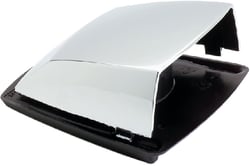

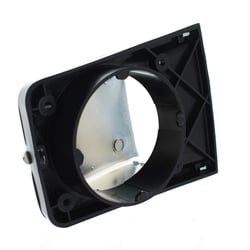

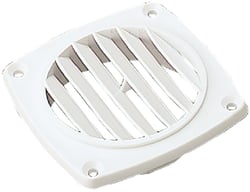

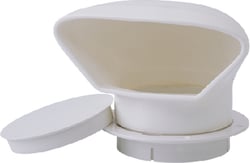
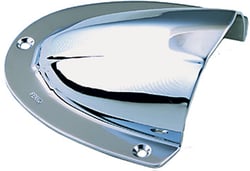
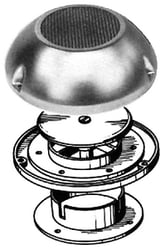

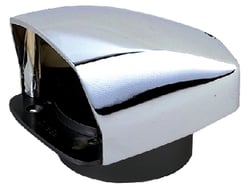
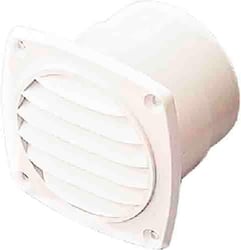
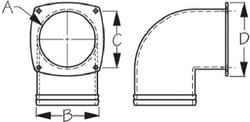
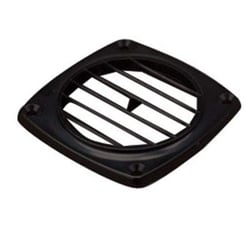
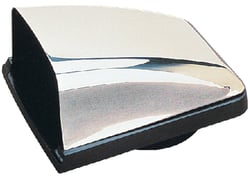
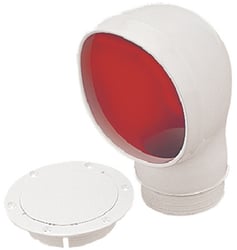
Sea-Dog Line 7271453 4" PVC Standard Profile Cowl Vent with Snap-On Deck Plate White with Red Interior
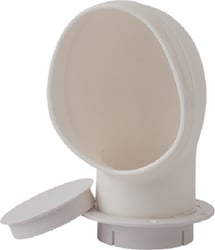
Sea-Dog Line 727137-3 Standard Profile PVC Cowl Vent with Snap-On Deck Plate White 3 Inch
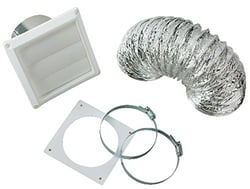

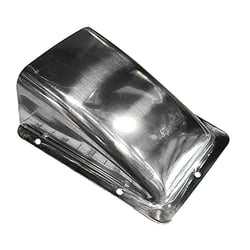
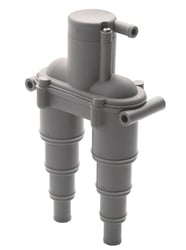



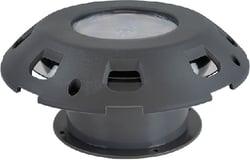
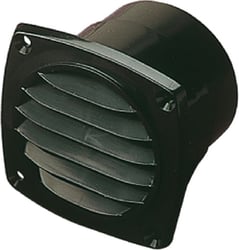
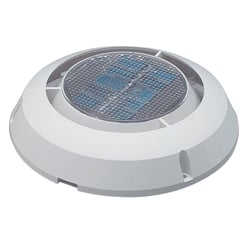

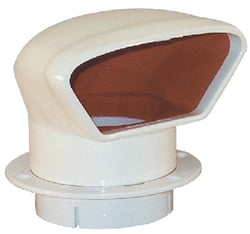
AFI N10863 Marinco Snap-In Deluxe Low Profile PVC Cowl Vent White with Red Interior

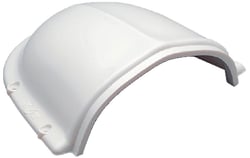
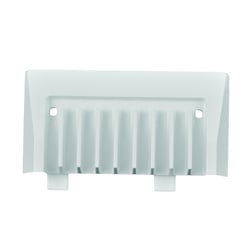
AFI N10873 Marinco Clam Shell Vent White Low Profile Marine Ventilator Hose and Cowl Vents
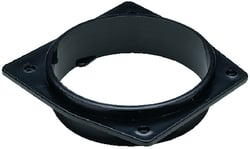
 Representative Photo, actual item may vary

Why Hose and Cowl Vents Matter for Your Boat or RV
Proper ventilation is one of the most critical — and often overlooked — aspects of boat and RV safety. Hose and cowl vents form the backbone of any passive ventilation system, channeling fresh air into enclosed spaces like cabins, engine compartments, and bilges while exhausting stale, potentially dangerous air out. Boat vents are used to ventilate engine and machinery compartments to prevent dangerous buildups of gasoline or diesel fumes and to ensure proper airflow in cabins, consoles, and other enclosed spaces. In fact, proper ventilation is required by law on many boats , making these components not just a comfort upgrade but a regulatory necessity.
How Cowl Vents and Ventilation Hose Work Together
Cowl vents provide fresh air below decks by trapping air that comes across the top deck and forcing it into your boat's cabin interior. Cowl vents face the airflow when the boat is underway and pressurize the space they feed. They protrude above the deck and work passively while in motion, and they reverse to function as an exhaust vent. This dual-direction capability makes them especially versatile — cowl vents are easily turned to face into or away from the breeze, depending on whether you wish to use them as extractors or air intakes to force air below.
The ventilation hose is the critical link between the cowl vent on deck and the space being ventilated below. Marine-grade hoses are specifically engineered to withstand the demanding conditions of a boat, including exposure to oil, chemicals, and saltwater. Unlike standard dryer vents, they are typically thicker and more durable, ensuring they maintain their shape and do not collapse under pressure or vibration. The most common sizes for recreational marine applications are 3-inch and 4-inch internal diameters. Smaller boats often utilize 3-inch hoses, while larger boats or high-capacity bilge blowers typically require 4-inch hoses to ensure adequate airflow.
The Benefits of a Well-Ventilated Vessel
Beyond regulatory compliance, a properly ventilated boat offers tangible benefits throughout the entire vessel. Marine ventilation ensures a healthy onboard environment by preventing moisture and mold, maintaining safe air quality, and removing fumes from boats, yachts, and commercial vessels. Specifically, good airflow prolongs the life of onboard electrical and mechanical systems and reduces risks from carbon monoxide and other hazardous fumes.
What to Look for When Buying Hose and Cowl Vents
- Material: Stainless steel and marine-grade PVC both offer corrosion resistance; stainless adds durability and a premium look while PVC keeps weight and cost down.
- Profile height: As a rule, a cowl that is taller and placed higher on the boat will move noticeably more air than a lower vent.
- Hose diameter compatibility: It is essential to match the hose diameter to your specific blower and flange fittings to maintain system efficiency.
- Intake vs. exhaust placement: It is important to evaluate the cabin layout of your boat to determine optimal locations for both intake and exhaust ventilation.
Top Brands in Hose and Cowl Vents
Sea-Dog Line is a leading brand in this category, offering a comprehensive lineup that includes cowl vents with bases, flush hose vents, hose thru vents, hose vent elbows, and both low-profile and standard-profile PVC cowl vents — making them a one-stop resource for nearly any ventilation layout.
Beckson Marine is well regarded for their soft cowl vents and vent-and-hose adapters, combining flexible construction with durable marine-grade materials that make installation and a watertight seal easier on curved or irregular deck surfaces.
Perko brings decades of marine hardware expertise to their cowl ventilators, with their Chromalex line offering a polished chrome finish that resists corrosion while delivering reliable passive airflow in both cabin and engine room applications.
Vetus is a premium Dutch marine engineering brand known for precision-crafted ventilation components that meet rigorous European CE standards, making their cowl vents a trusted choice for serious bluewater sailors and professional boat builders alike.