



Trolling Motors



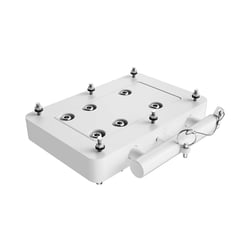
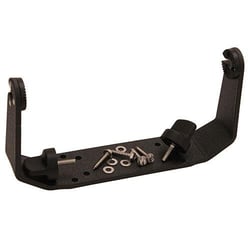
Lowrance 000-16420-001 RECON Quick Release Bracket Heavy-Duty Composite White

 Representative Photo, actual item may vary

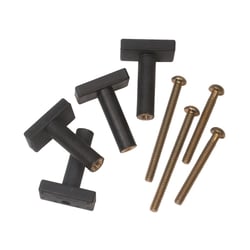
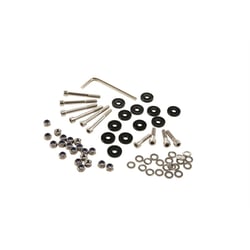
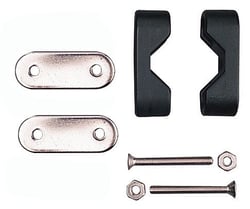
Motorguide MGA015PB6 Mounting Isolator Bolts 4-Pack Marine Accessory Hardware
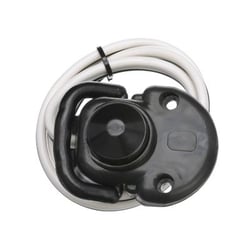

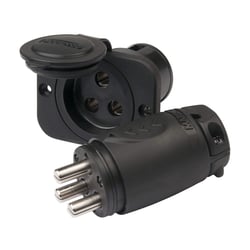
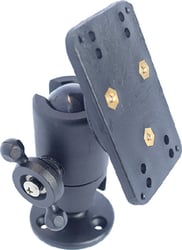

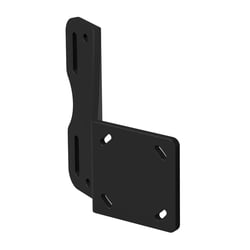
Lewmar 2024028464 Motor Mounting Bracket for Axis & Vector Shallow Water Anchors - Black

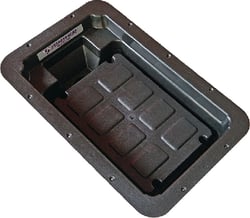
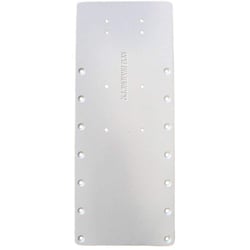

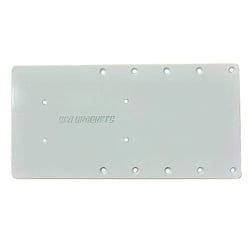
Sea Brackets SEA2312 14" Straight Trolling Motor Mounting Plate for Garmin Kraken
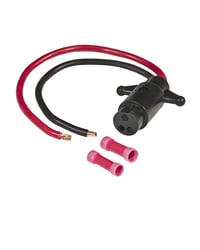

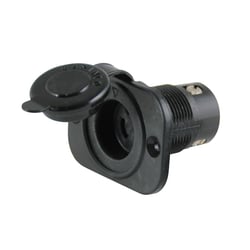
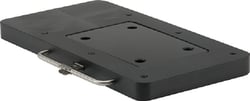
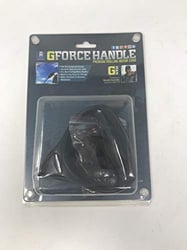
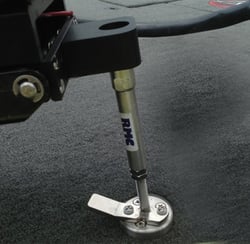

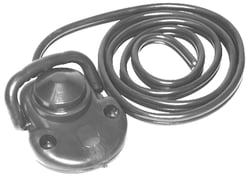
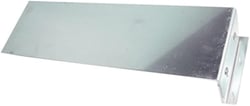
Jif Marine EBG Universal Trolling Motor Mounting Bracket 6" x 16" Heavy Duty Aluminum

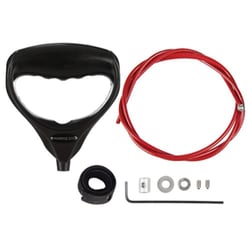
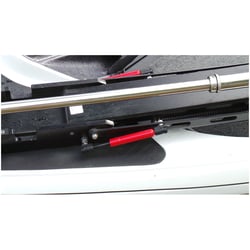
T-H Marine GFEQMGRDP G-Force Equalizer Motorguide Trolling Motor Lift Assist Stabilizer Kit Red

T-H Marine RMC101FMKDP Troll-Tamer Trolling Motor Stabilizer Lock for Minn Kota Fortrex/Ultrex
Trolling motors are specialized electric propulsion systems designed to give anglers precise, quiet control over their boat positioning while fishing. Unlike traditional outboard motors, trolling motors operate with minimal noise and vibration, allowing you to approach fish without spooking them while maintaining exact speed and position in any water condition. These essential marine tools have revolutionized fishing by enabling anglers to navigate shallow waters, hold position over productive spots, and cover water efficiently without disturbing the environment below.
Understanding Trolling Motor Systems
A trolling motor consists of an electric motor, propeller, shaft, and control system that mounts either to the bow or transom of your boat. Modern units range from basic hand-controlled models perfect for small fishing boats and kayaks, to sophisticated GPS-enabled systems with wireless remotes and automatic anchoring features. The thrust rating—measured in pounds—determines how much pushing power the motor delivers, and should be matched to your boat's size and weight. Most motors operate on 12V, 24V, or 36V battery systems, with higher voltages providing greater thrust and runtime for larger vessels.
Key Considerations When Choosing a Trolling Motor
Selecting the right trolling motor requires evaluating several critical factors. Shaft length must be appropriate for your boat's configuration and the water conditions you'll encounter—too short and the propeller won't stay submerged in waves, too long and you'll sacrifice efficiency. Thrust should follow the general rule of two pounds per hundred pounds of fully loaded boat weight, though current, wind, and boat design may require more. Control type matters significantly: hand-tiller models offer simplicity and affordability, foot pedal controls free your hands for fishing, and wireless remotes with GPS provide ultimate convenience and advanced features like spot-lock anchoring and route recording.
Freshwater vs. Saltwater Applications
The environment where you'll fish determines whether you need a freshwater or saltwater trolling motor. Saltwater models feature specialized corrosion-resistant materials, sealed electronics, and protective coatings that withstand the harsh marine environment. These motors cost more but are essential for ocean, bay, and brackish water fishing. Freshwater motors work perfectly for lakes, rivers, and ponds, offering excellent performance at lower price points. Many anglers fishing in Great Lakes or large reservoirs opt for saltwater-rated motors for the added durability, even in freshwater environments.
Leading Brands in Trolling Motor Technology
The trolling motor market features several manufacturers known for innovation and reliability. Minn Kota stands as the industry leader with advanced GPS systems like Spot-Lock, the QUEST brushless motor technology, and models spanning from entry-level Endura units to premium Ultrex and Terrova systems. MotorGuide, owned by Bass Pro Shops, offers competitive features including their Pinpoint GPS technology and Tour series motors favored by professional anglers. Garmin has entered the market with Force models that integrate seamlessly with their marine electronics ecosystem, providing trolling motors with exceptional power and network connectivity.
Installation and Mounting Options
Proper installation ensures optimal performance and longevity from your trolling motor. Bow-mount motors provide superior boat control and are preferred for serious fishing, requiring a mounting plate or factory-installed trolling motor mount on the bow deck. Transom-mount motors clamp to the boat's transom and offer easier installation and portability between boats, making them ideal for smaller vessels, rentals, or anglers who want flexibility. Engine-mount motors attach to the lower unit of an outboard and serve specialized applications. Regardless of mounting style, ensuring secure attachment and proper wiring with appropriate gauge cables and circuit breakers is critical for safe, reliable operation.