



Wet Exhaust Hose
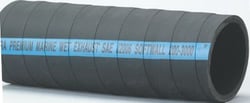
Shields Hose 16-200-4000-48 Series 200 Marine Wet Exhaust Hose 4 Inch x 4 Feet


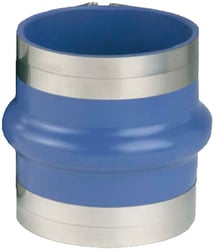
Trident Hose 270V4000SS 4-Inch Silicone Hump Hose with Stainless Steel Clamps
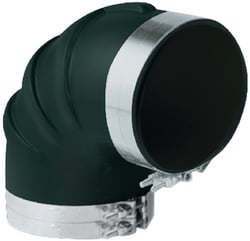
Shields Hose 16-200-6000-24 Marine Exhaust Series 200 Hose 6 Inch x 2 Foot
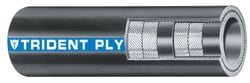
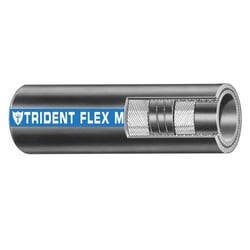
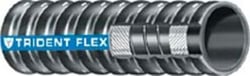
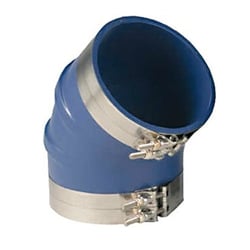
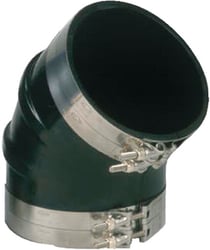
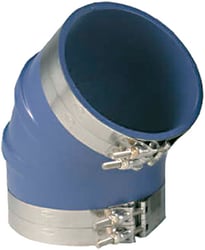
Trident Marine 240V80000-S/S 8" Silicone Wet Exhaust 45-Degree Elbow with Stainless Clamps
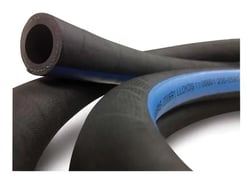

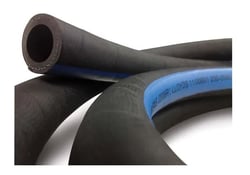
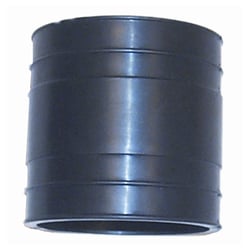
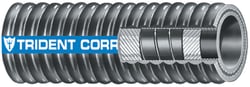
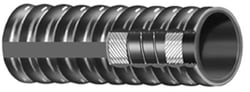
Trident Hose 25211241B SEAFLEX Corrugated Hardwall Marine Exhaust Hose 1-1/2" x 12.5'
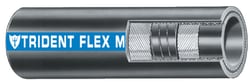
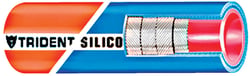
What Is Marine Wet Exhaust Hose?
Wet exhaust hose is one of the most safety-critical plumbing components on any inboard or sterndrive-powered vessel. In a wet exhaust system, cooling seawater is injected into the exhaust stream at the mixing elbow, dramatically lowering gas temperatures before the mixture travels through the hose, through a waterlock or muffler, and out the transom. This water-cooled approach is the most common exhaust arrangement in recreational boating, and the flexible hose that carries this hot gas-and-water mixture is what keeps the entire system safe and functional.
Unlike rigid pipe, a properly rated wet exhaust hose provides vibration isolation, thermal protection, and easier routing through tight bilge spaces. It also acts as a crucial barrier against two of the most serious hazards on a boat: carbon monoxide intrusion into the cabin and saltwater backflow into the engine. A failed or degraded hose can allow either of these to happen, making routine inspection and timely replacement non-negotiable for any boat owner.
Types of Marine Wet Exhaust Hose
Choosing the right hose starts with understanding the three primary constructions available:
- Softwall (no wire reinforcement): Best suited for short, straight connections where the hose run is minimal and crush resistance is less of a concern.
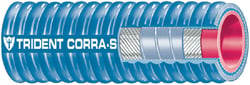
- Hardwall / Wire-Reinforced: Features a wire helix embedded between plies of heavy-duty synthetic cord, making it the right choice for longer runs and connections that require significant bends. The internal reinforcement prevents collapse under vacuum or external pressure.
- Corrugated: Designed for the tightest bends and longer routed runs where flexibility is paramount.
Material matters just as much as construction. EPDM and nitrile rubber compounds offer excellent ozone and saltwater resistance for general service, while silicone formulations handle the highest sustained temperatures — useful near turbochargers or high-output engines. Look for compliance with SAE J2006 or ISO 13363 standards, which define continuous and intermittent temperature ratings for marine wet exhaust hose.
Key Buying Considerations
When shopping for a replacement or upgrade, keep these factors in mind:
- Inside Diameter (ID): Always match the OEM internal diameter. Undersizing creates backpressure that can harm engine performance and longevity.
- Temperature Rating: Verify the hose's continuous and intermittent ratings against your engine's mixing elbow specifications.
- Bend Radius: Respect the published minimum bend radius to prevent kinking or stress fractures over time.
- Inspection Schedule: Even visually sound hose ages and weakens. Many marine professionals recommend replacing exhaust hose every five years or immediately after any engine overheat event.
Top Brands in Marine Wet Exhaust Hose
Shields Hose is one of the most recognized names in marine plumbing. Their flagship Shieldsflex II line features a black synthetic rubber tube and cover reinforced with a wire helix embedded between plies of heavy-duty synthetic cord, offering resistance to exhaust fumes, ozone, mild chemicals, antifreeze, and saltwater. The Shieldsflex II meets SAE J2006 Type R2 standards and is engineered to meet or exceed ABYC, NMMA, and USCG requirements — making it a trusted choice for both OEM builders and repair professionals.
Crushproof Tube brings decades of exhaust hose engineering expertise to the marine and automotive markets. Founded in 1949, the company pioneered crush-proof rubber exhaust hose construction. Their FLARELOK® hose design features a wire-helix-free construction that returns to its original shape after compression, with a flared-end interlocking system that allows lengths to be connected without additional hardware or tools — a practical feature for custom routing applications.
Seachoice offers a broad selection of wet exhaust hose options at accessible price points, making them a go-to source for boaters tackling maintenance and replacement projects across a wide range of vessel types and engine configurations.