



Mufflers
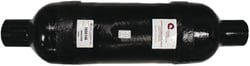

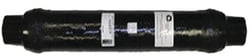
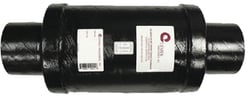
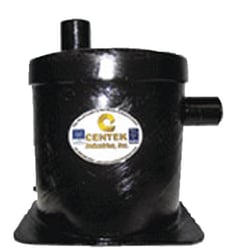
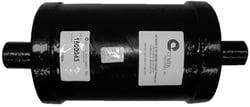
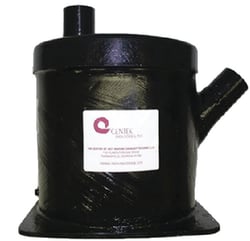
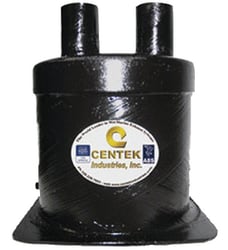
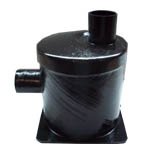



Why Marine & RV Mufflers Matter
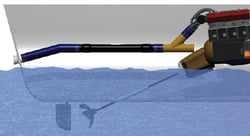
A muffler might seem like a simple noise-reduction device, but in marine and RV applications it plays a far more critical role. Marine mufflers are central to wet exhaust systems, where engine cooling water is injected directly into the exhaust line to reduce both gas temperature and the accompanying fumes. As a result, these components must simultaneously manage intense heat, corrosive saltwater exposure, constant vibration, and backpressure limits set by the engine manufacturer — challenges that no ordinary automotive muffler is built to handle.
On a boat, an improperly sized or failing muffler can lead to overheating, engine damage, excessive backpressure, and even water re-entry into the engine. In RV generator applications, a quality muffler means the difference between a peaceful campsite and an intrusive rumble that carries across the entire campground. Whether you are refitting an aging vessel, upgrading a generator exhaust, or completing a new build, choosing the right muffler for your specific engine configuration is one of the most important decisions in your exhaust system design.
Key Considerations When Choosing a Marine or RV Muffler
- Wet vs. Dry Exhaust: Most modern inboard marine engines use wet exhaust systems, where cooling water mixes with exhaust gases to safely reduce temperatures before discharge.
- Backpressure Compliance: Always match the muffler to your engine manufacturer's backpressure specifications. Too much restriction can reduce power and cause long-term engine damage.
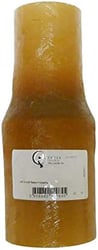
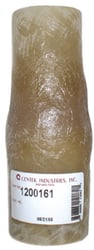
- Material Durability: Fiberglass reinforced plastic (FRP) resists corrosion from saltwater and will not warp or melt like rubber or certain plastic composites — a key advantage in harsh marine environments.
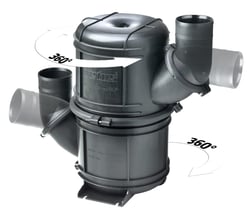
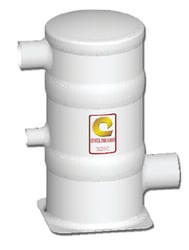
- Lift Mufflers vs. Waterlocks: Lift mufflers are designed for installations where exhaust must be raised above the waterline and safely drained, while waterlock mufflers trap water between engine cycles to prevent backflow.
- Sizing and Placement: Proper muffler sizing and positioning relative to the waterline are critical to system performance and longevity.
Top Brands in Marine & RV Mufflers
Centek is the dominant name in this category for good reason. Founded in 1962, the company pioneered the Vernatone® — widely recognized as the first FRP water-cooled marine muffler — and today holds more than 14 marine patents. Centek exhaust and ventilation systems can be found on over 20,000 commercial and recreational vessels in nearly 100 countries, and all products are backed by a five-year warranty.
Vetus brings European engineering precision to the marine exhaust market. Their muffler lineup — including plastic waterlocks, lift mufflers, and high-performance compact mufflers for fast craft — is built from lightweight, corrosion-free synthetic materials and designed to minimize backpressure while maximizing noise reduction. All Vetus exhaust systems meet ABYC standards, and their innovative multi-chamber waterlock designs offer exceptional acoustic performance.
Trident Hose rounds out the exhaust system with the flexible hose connections that tie everything together. With a history dating back to 1985, Trident Marine is a well-regarded supplier of wet exhaust hose products available in rubber and silicone constructions, engineered to resist heat, ozone, and exhaust chemicals while exceeding SAE J2006, ABYC, and NMMA standards.
BMP offers additional options for boaters seeking reliable marine exhaust components, rounding out the selection available to fit a broad range of vessel configurations and budgets.