



Sierra Manifolds/Risers/Elbows
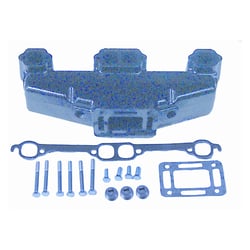

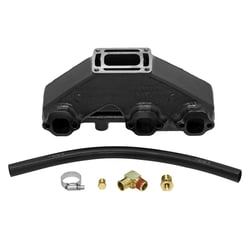
Sierra 18-1929 Starboard Exhaust Manifold for Crusader GM Big Block V8 454 CID
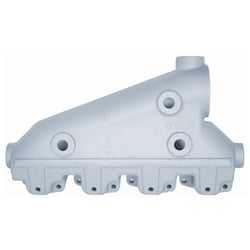
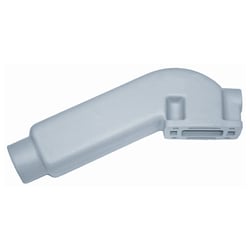
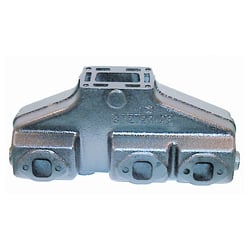
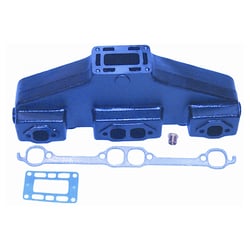
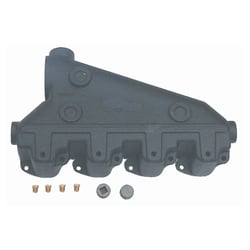
Sierra 18-1951-1 Starboard Exhaust Manifold for MerCruiser GM V8 Small Block
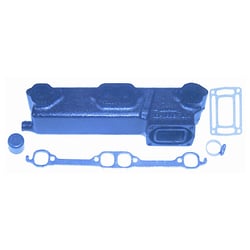
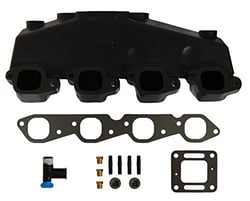
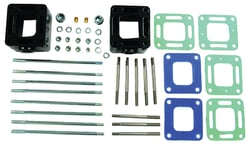
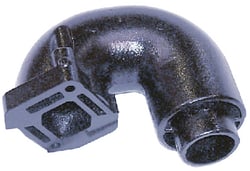
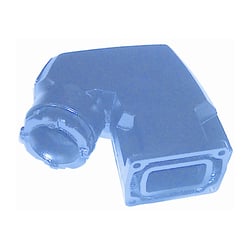
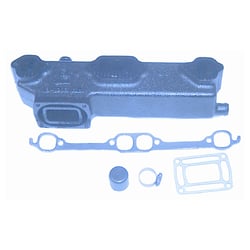
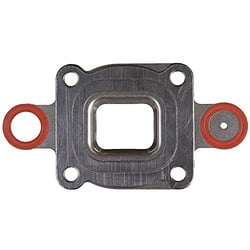
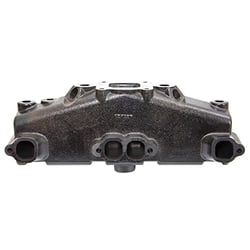
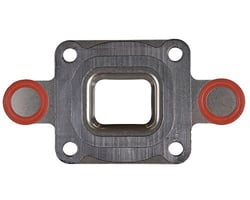
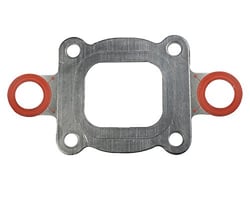
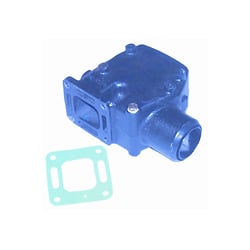
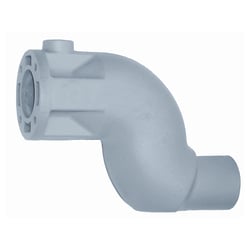
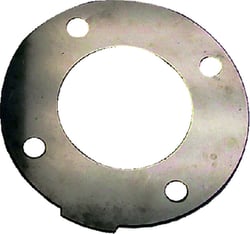
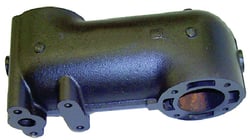
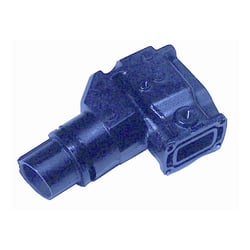
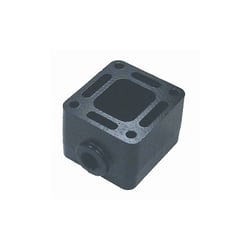
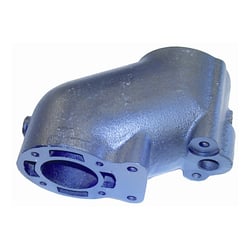
- 1
- 2
What Are Marine Manifolds, Risers, and Elbows?
On a marine engine, the exhaust system works very differently from a typical automotive application. Rather than simply routing hot gases into the open air, a boat's exhaust must also manage water cooling — raw water from the cooling system is introduced into the exhaust stream to reduce temperatures before gases exit through the hull. The three core components that make this happen are the exhaust manifold, the riser, and the elbow.
The exhaust manifold collects hot combustion gases from the engine's cylinder head ports and channels them into a single outlet. In a wet exhaust setup — the standard for most inboard and stern-drive marine engines — the manifold is also where cooling water begins to mix with exhaust gases. Because manifolds are constantly bathed in heat, moisture, and saltwater exposure, they are among the most corrosion-prone components on any marine engine.
The riser (sometimes called an exhaust riser or mixing elbow riser) is a vertical or angled casting that mounts on top of the manifold. Its critical job is to raise the exhaust outlet high enough above the waterline to prevent seawater from back-flowing into the engine — a condition that can cause catastrophic hydrolocking. The riser also continues the mixing of cooling water with exhaust gases, further dropping exhaust temperature before it exits the boat.
The elbow directs the cooled exhaust gases toward the exhaust outlet hose or pipe. In many designs, the riser and elbow are combined into a single casting, while in others they are separate serviceable components. Either way, the elbow is subject to the same punishing combination of heat cycling, raw water, and exhaust gas corrosion as the rest of the system.
Why Timely Replacement Matters
Manifolds, risers, and elbows have a finite service life, and neglecting them is one of the most common — and costly — mistakes a boat owner can make. As these castings corrode internally, their walls thin and their water passages become restricted. Reduced cooling flow leads to overheating, and a failed riser can allow seawater to flood directly into the engine. Most marine technicians recommend inspecting risers and manifolds every 200–400 hours of operation, with replacement intervals that vary based on engine type, operating environment, and whether the boat is used in saltwater or freshwater.
Signs that it may be time to replace these components include visible external rust or pitting, white mineral deposits around joints, overheating warnings, water in the exhaust appearing cooler or more than normal, or unusual exhaust odors. Catching a failing riser early is a small investment compared to the cost of a seized or hydrolocked engine.
What to Look for When Shopping
When selecting replacement manifolds, risers, or elbows, fit and material quality are the two most important factors. These parts are engine-specific — always verify compatibility with your engine's make, model, and year before purchasing. Key considerations include:
- Material: Cast iron and aluminum are the most common materials; each has different corrosion characteristics depending on your operating environment.
- Coating or lining: Many premium replacement parts feature protective internal linings or coatings to extend service life in saltwater environments.
- OEM vs. aftermarket fit: Quality aftermarket parts should meet or exceed OEM dimensions and port configurations for a leak-free installation.
- Complete kits vs. individual parts: Risers, elbows, and manifolds often wear at similar rates — replacing them as a set can save labor and prevent a second job shortly after the first.
Whether you're overhauling a MerCruiser, OMC, or Volvo Penta stern drive, having the right exhaust components installed correctly keeps your engine cool, your bilge dry, and your time on the water uninterrupted.