



Engine Hose
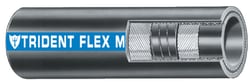

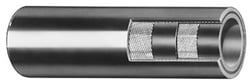
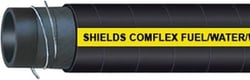

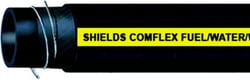
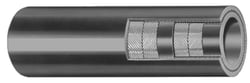
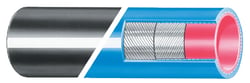
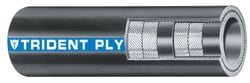
Shields Hose 16-321-1124 Comflex Marine Engine Wire Reinforced Hose 50 PSI
- 1
- 2
Why Engine Hose Matters on Your Boat or RV
Engine hose is one of the most critical — and most overlooked — components in any marine or RV powerplant. These hoses are the lifelines of your engine's plumbing system, routing coolant, raw water, and exhaust gases through tight engine compartments under sustained heat, vibration, and chemical exposure. A single failing hose can cause overheating, flooding, or dangerous exhaust leaks, which is why choosing the right hose for the right application is essential to safe and reliable operation on the water or the road.
Types of Marine Engine Hose
Not all engine hoses are built alike, and understanding the differences helps you make the right selection for your vessel or rig:
- Wet Exhaust Hose: Designed to carry a mix of exhaust gases and cooling water away from the engine, these hoses must tolerate high heat, ozone, and chemical exposure. They are typically reinforced with wire helix and multi-ply construction to resist collapsing and panting under pressure.
- Heater & Coolant Hose: These hoses circulate engine coolant between the block, heat exchanger, and other components. They require resistance to temperature extremes, antifreeze chemicals, and pressure cycling.
- Raw Water & Circulation Hose: Used in open-loop cooling systems, these hoses carry untreated seawater or freshwater through the engine for cooling purposes, and must resist corrosion, kinking, and saltwater degradation.
- Engine Intake Hose: Smaller-diameter hoses that handle water intake for cooling, scupper, bilge, and sanitation connections throughout the vessel.
What to Look for When Shopping Engine Hose
When selecting a marine or RV engine hose, always verify compliance with industry standards. Look for hoses that meet or exceed SAE J2006, ABYC, and NMMA specifications — these certifications confirm the hose is rated for the temperature ranges, pressures, and chemical environments found in real-world marine applications. Material matters too: EPDM rubber excels in heat and ozone resistance, while silicone construction offers premium high-temperature performance. Wire-helix reinforcement is essential for runs with significant bends or long unsupported lengths. As a general best practice, marine engine hoses should be inspected regularly and replaced every five years, or sooner if cracking, softening, or leakage is detected.
Top Brands in Marine Engine Hose
Trident Hose is the category leader here for good reason. Trident Marine is recognized as the oldest North American marine hose company, with a product history dating back to 1985. Their extensive engine hose lineup spans silicone and EPDM wet exhaust hoses, heater hoses, corrugated hoses for severe-bend applications, and circulation hoses — all engineered to meet or exceed SAE, ABYC, NMMA, and Lloyd's Registry standards.
Shields Hose brings one of the most comprehensive selections of marine-grade hoses available. Their flagship ShieldsFlex II series features wire-helix reinforcement embedded between plies of heavy-duty synthetic cord, delivering exceptional flexibility for long runs and tight bends, with resistance to exhaust fumes, ozone, saltwater, mild chemicals, and antifreeze — all while meeting SAE J2006 Type R2 standards.
Fairchild rounds out the lineup with an extensive range of application-specific marine hoses, including OEM-style replacement hoses engineered for popular inboard engines like MerCruiser. Fairchild Industries manufactures durable rubber hoses designed to resist saltwater corrosion and UV exposure, making them a solid choice for engine-specific replacements.
Seachoice offers accessible marine hose solutions for boaters who need dependable performance in standard plumbing applications, rounding out the selection for common engine hose requirements aboard recreational vessels.