



Engine Hose

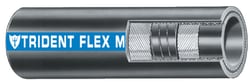

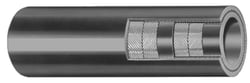
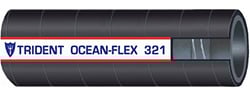
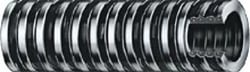
Trident Hose 1471126 Baitwell Hose 1-1/2 In x 50 Ft Clear Vinyl with Black Helix
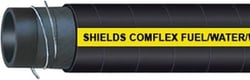
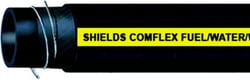
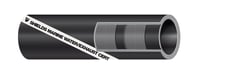
Shields Hose 16-321-1124 Comflex Marine Engine Wire Reinforced Hose 50 PSI
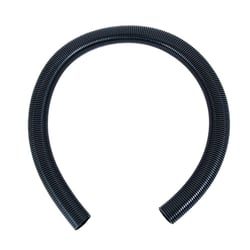
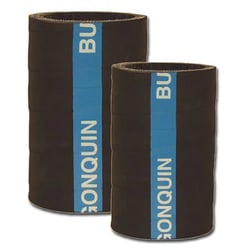

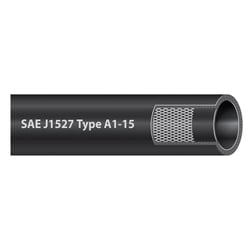

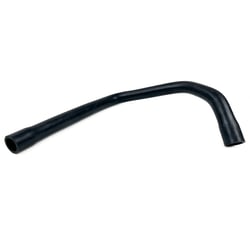
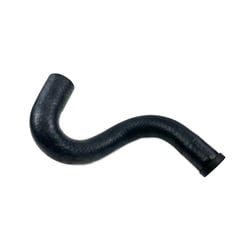
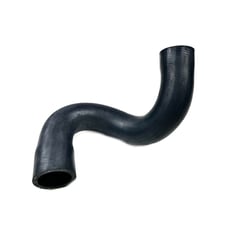
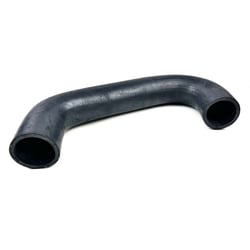

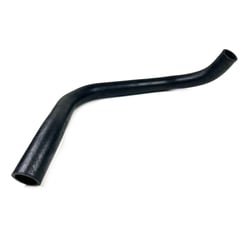
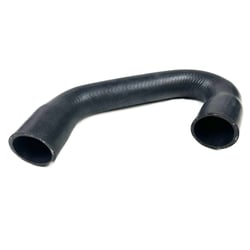
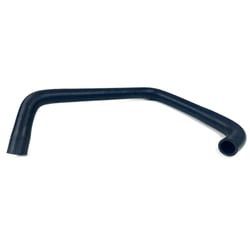
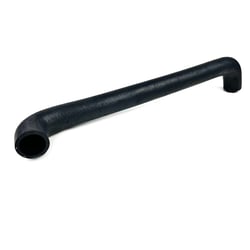
 Representative Photo, actual item may vary
What Is Engine Hose and Why Does It Matter?
Engine hose is one of the most overlooked — yet most critical — components in any marine or automotive plumbing system. These hoses serve as the circulatory pathways of your engine, routing coolant, raw water, exhaust, and fuel to and from key components including the radiator, heat exchanger, thermostat housing, bilge, and exhaust manifold. A failing hose can mean an overheated engine, a flooded bilge, or worse — a fire hazard at sea or on the road.
Engine hoses must withstand a punishing combination of high temperatures, internal pressure, vibration, chemical exposure (including ozone, exhaust fumes, antifreeze, and saltwater), and constant flexing. That's why material selection matters: EPDM rubber is a common choice for its excellent heat and ozone resistance, while silicone offers even higher temperature tolerance in demanding wet exhaust and coolant applications. Wire-helix reinforcement is standard in marine wet exhaust hoses to prevent collapse under suction or around tight bends.
Key Applications: What Engine Hoses Do
- Coolant & Heater Hoses: Connect the engine block, radiator, and heater core to regulate engine temperature and cabin heat.
- Wet Exhaust Hoses: Carry water-cooled exhaust gases from the manifold to the transom on marine engines — requiring heat, chemical, and ozone resistance.
- Raw Water Intake Hoses: Feed seawater into the cooling circuit on inboard and sterndrive engines.
- Fuel Filler & Vent Hoses: Manage fuel transfer and vapor venting between the tank, filler neck, and air, meeting strict safety standards.
- Bilge & Scupper Hoses: Route drainage water out of the hull.
What to Look for When Shopping Engine Hose
Always verify that a replacement hose meets or exceeds the relevant standards for your application — such as SAE J2006 for marine exhaust, ABYC and NMMA P-1 for general marine plumbing, or SAE J1527 for marine fuel hose. Match the inside diameter (ID) precisely to your fitting sizes, and consider wall thickness and reinforcement layers for high-pressure or high-flex runs. In marine applications especially, routine inspection is essential — hoses should be replaced at the first sign of cracking, swelling, or softening.
Top Engine Hose Brands
Trident Hose is widely regarded as a go-to source for marine engine hose. Trident has been manufacturing marine hose since 1985 and offers a comprehensive lineup spanning wet exhaust, raw water, coolant, fuel, and sanitation hoses. Their products are engineered to meet or exceed SAE, ABYC, NMMA, and Lloyd's Registry standards, giving boaters confidence in both safety and longevity.
Shields Hose brings decades of marine industry expertise with a full line of hoses engineered for yachts and pleasure craft. Shields hoses are built to meet USCG, ABYC, and NMMA requirements and cover applications from engine cooling and wet exhaust to fuel feed and sanitation — making them a trusted choice for complex onboard plumbing.
Fairchild rounds out the category with a broad range of automotive and industrial engine hoses — including coolant, heater, radiator, vacuum, and fuel filler hoses. Fairchild Industries is known for its vehicle-specific fitment approach, with in-house engineers who reverse-engineer OEM parts to deliver precise replacements that meet or exceed original equipment specifications.