



Rub Rails & Inserts
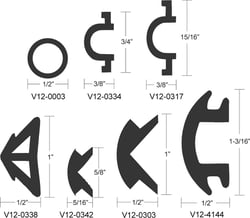
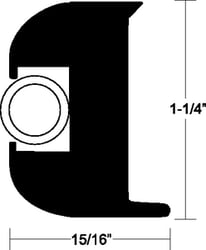
Taco Metals V12-4144BKA50-1 Flexible Vinyl Rub Rail Insert 1-3/16" x 1/2" x 50' Black

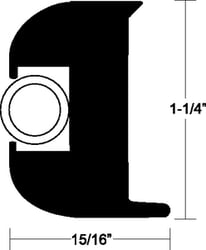
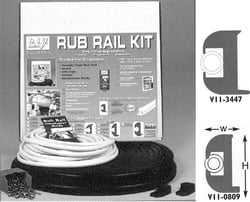
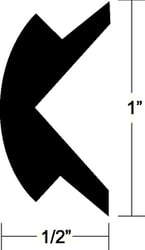
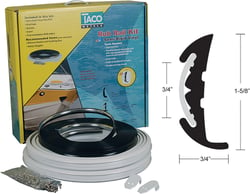
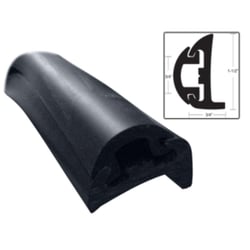
Taco Metals V11-9795BBK50D-2 Black Semi-Rigid Rubrail with Insert - 50 Feet
 Representative Photo, actual item may vary
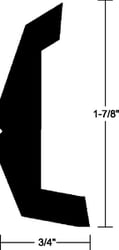
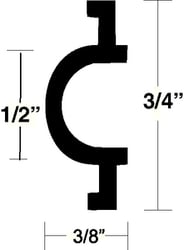
Taco Metals V21-3670BKA20D-1 Rigid Vinyl Rub Rail Kit Black 1-7/8" x 3/4" x 20'
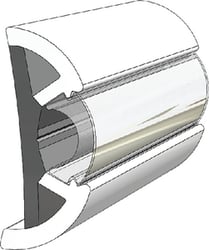
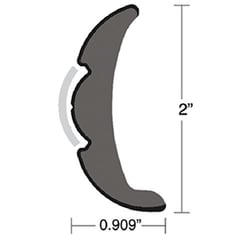
Taco Metals V119960WCM602 Suproflex Rub Rail Kit 60' White with Chrome Insert
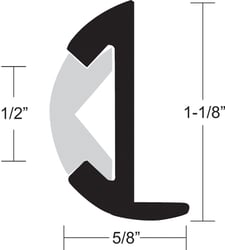
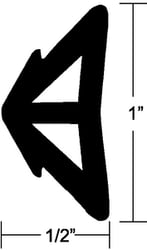
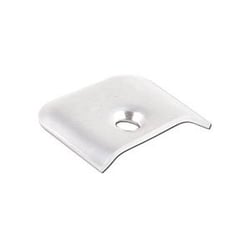

 Representative Photo, actual item may vary
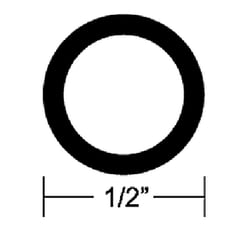
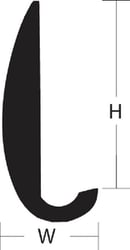
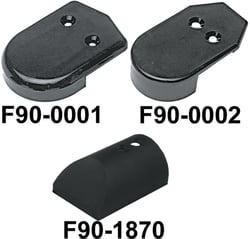
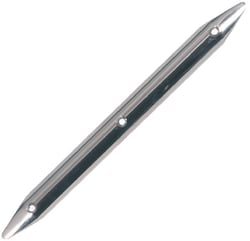
What Are Marine Rub Rails & Inserts?
A marine rub rail is one of the most hardworking — and often overlooked — pieces of hardware on any boat. Installed along the sheerline where the deck meets the hull, a rub rail acts as a sacrificial buffer against pilings, seawalls, docks, and other vessels, while also visually cleaning up the hull-to-deck seam. Think of it the way you'd think of a bumper on a vehicle: its job is to absorb minor impacts so the rest of your boat doesn't have to.
Rub rails are typically sold as a two-part system. The outer track mounts directly to the hull edge, and the insert snaps or slides into the channel of that track. The insert is usually the first point of contact during a bump, meaning it takes the brunt of dock rash and pilings — and is designed to be replaced as part of routine boat maintenance rather than requiring full rail replacement every time.
Rub Rail Materials: What's Right for Your Boat?
Choosing the right material is one of the most important decisions when shopping for rub rails and inserts. Common choices include:
- Flexible vinyl (PVC): The most popular option for recreational boats. Flexible, lightweight, coilable for easy shipping, and DIY-friendly. Pairs well with a soft insert for added impact absorption.
- Semi-rigid vinyl: Offers a cleaner, more structured appearance while still being workable around curves. A good middle ground between flexibility and rigidity.
- Rigid vinyl: Provides the most uniform, finished look but cannot be coiled, making it more complex to install and ship.
- Aluminum and stainless steel: Extremely attractive and durable, providing excellent protection and corrosion resistance, but require more effort to bend and conform to the hull's shape.
Inserts follow a similar range of materials — vinyl, EPDM rubber, aluminum, and stainless steel — each balancing impact absorption, corrosion resistance, and aesthetics differently. For boaters who want the chrome look without the hassle of metal, flex-chrome vinyl inserts offer the polished appearance of metal with the easy installation and flexibility of vinyl.
Replacing Just the Insert vs. Full Rail Replacement
One of the most cost-effective maintenance moves a boater can make is replacing only the insert when the track itself is still in good shape. Swapping out a worn or cracked insert restores both the protective function and the appearance of the rail without the labor and expense of a full replacement. If the track itself is cracked, brittle, or heavily oxidized, however, a complete rub rail kit — which typically includes the track, insert, end caps, and joint caps — is the cleaner long-term solution.
When sizing a replacement, measuring the cross-section of your existing insert is more reliable than going by your boat's make and model, as many legacy profiles are no longer in production and most marine inserts are universal by profile dimension rather than vessel-specific.
Top Brands in Rub Rails & Inserts
Our rub rail and insert selection features a range of trusted manufacturers. AP brings hardware manufacturing experience to this category, offering rub rail components suited for recreational marine applications. Akrapovic rounds out the selection with precision-engineered components. FMF contributes a broad product range with multiple SKUs for boaters seeking variety. Powerwinch (Carefree of Colo) is a well-established name in the marine and RV hardware space, offering rub rail hardware that complements their broader deck and hardware lineup.