



Electric Bilge Pumps


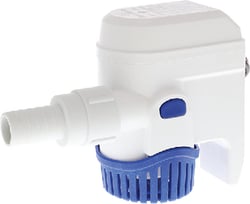

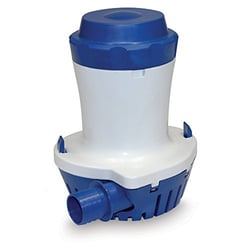
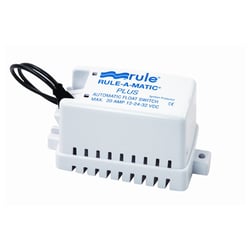
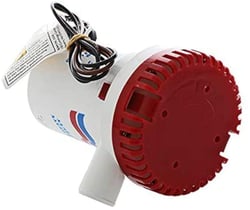
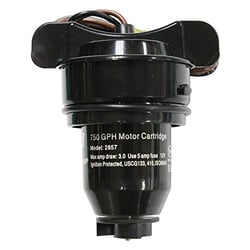
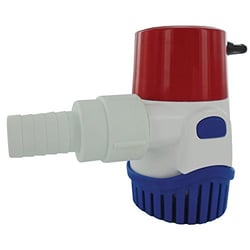
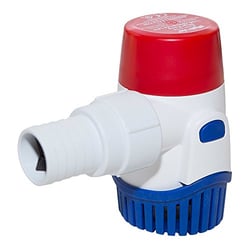
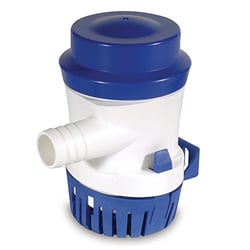
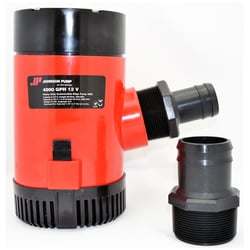

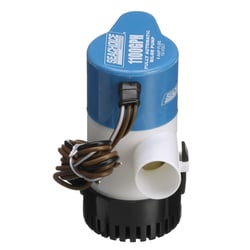

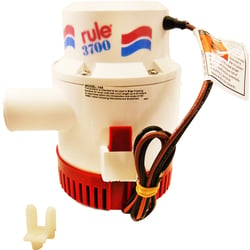

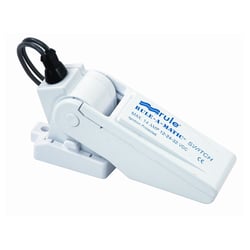
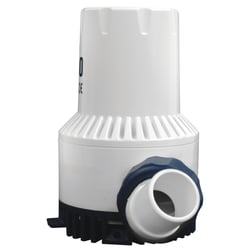

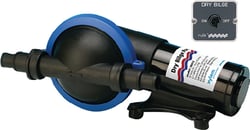
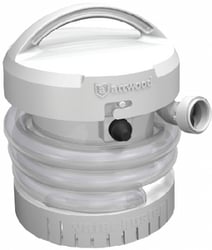
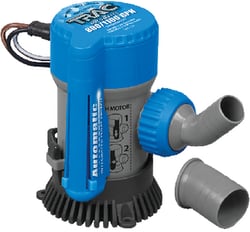

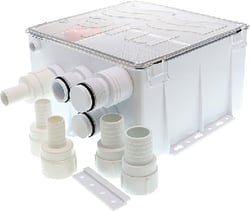
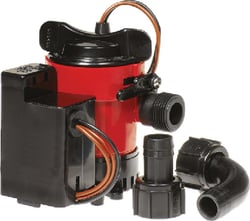
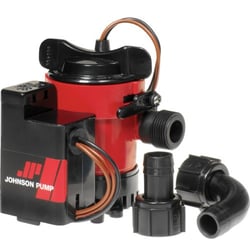
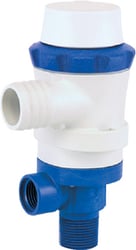

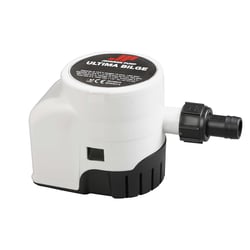
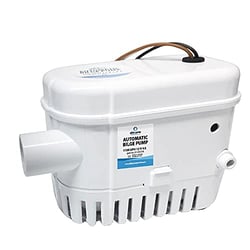
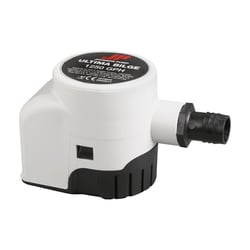
Johnson Pumps 32-47259-003 Ultima Automatic Bilge Pump 12V with Integrated Float Switch
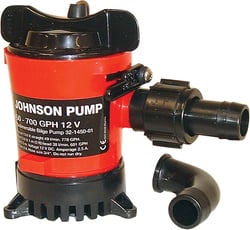
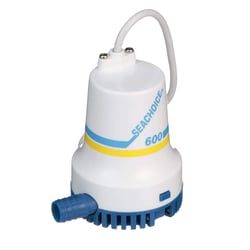
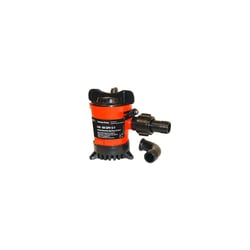
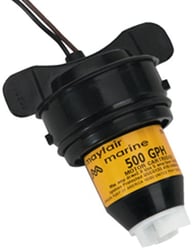
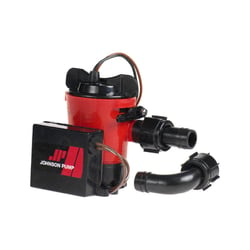
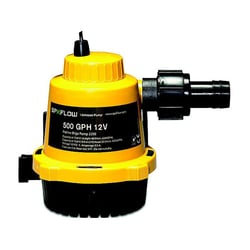
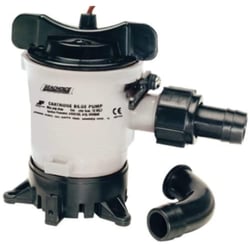
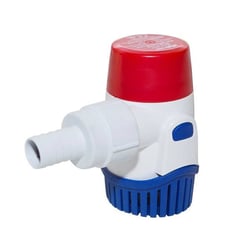
Johnson Pumps 10-13626-01 Aqua Void 500 GPH Non-Automatic Cartridge Bilge Pump
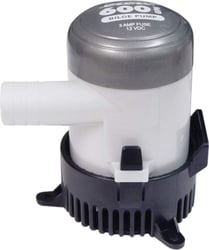
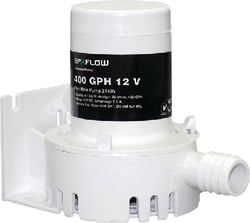
 Representative Photo, actual item may vary

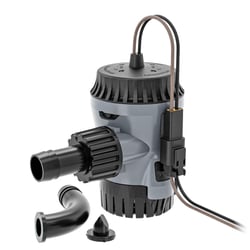
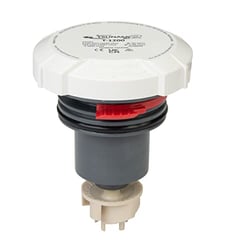
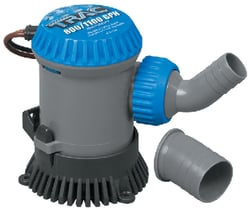
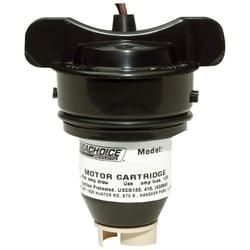
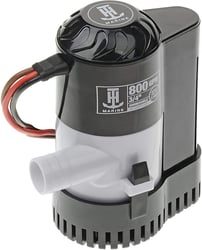
Johnson Pumps 10-13626-05 Aqua Void Cartridge Bilge Pump 800 GPH Non-Automatic
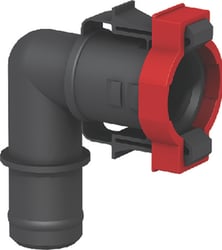

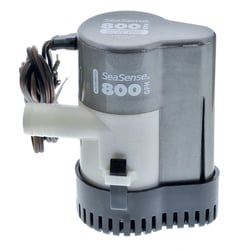

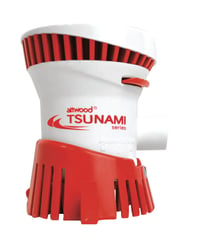
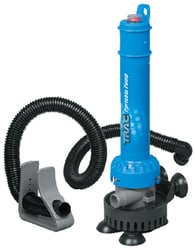
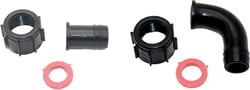
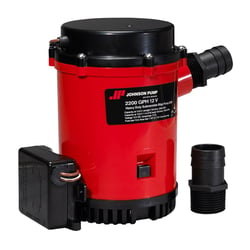
Johnson Pumps 92205 DuraPort 90 Degree Elbow Connection for 500-1000 GPH Bilge Pumps


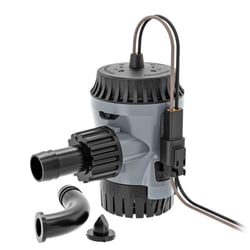
What Is an Electric Bilge Pump and Why Does Your Boat Need One?
An electric bilge pump is one of the most critical safety components aboard any vessel. Water naturally finds its way into a boat's bilge — the lowest interior point of the hull — through rain, spray, minor leaks, or simple condensation. Left unchecked, bilge water accumulation can compromise stability, damage electrical systems, and in serious situations, threaten the safety of everyone on board. An electric bilge pump automatically or manually removes this water, keeping your hull dry and your crew protected on every outing.
Unlike household sump pumps, electric bilge pumps are specifically engineered for the marine environment — built to resist corrosion, operate while submerged, and endure constant exposure to moisture, vibration, and the punishing conditions of saltwater and freshwater use alike.
Automatic vs. Manual: Choosing the Right Operation Mode
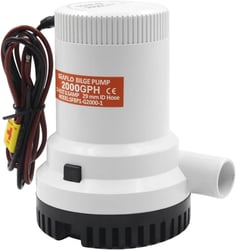
Electric bilge pumps fall into two primary categories: automatic and manual. Automatic models use a float switch or electronic water sensor to activate the pump the moment water levels rise — providing critical protection even when you're away from the boat. Manual pumps require a panel switch to operate and are typically used as a backup or for boats where simplicity and low cost are priorities. Many boaters install both: an automatic pump for continuous protection and a higher-capacity manual pump for emergencies.
Key Factors When Shopping for an Electric Bilge Pump
- GPH Rating: Pump capacity is measured in gallons per hour (GPH). Smaller boats generally do well with pumps in the 500–800 GPH range, while larger or offshore vessels may require 1,500 GPH or more.
- Voltage: Most recreational bilge pumps run on 12V DC, though 24V models are available for larger commercial and recreational vessels.
- Submersible Design: Look for water-cooled motors with stainless-steel shafts and centrifugal impellers — features that ensure the pump won't burn out if it runs dry briefly.
- Corrosion Resistance: Marine-grade tinned wiring, ABS or nylon housings, and sealed motor designs are essential for longevity in both fresh and saltwater environments.
- Certifications: Reputable pumps carry ABYC, NMMA, USCG, and ISO 8849 marine bilge pump certifications, confirming compliance with safety and ignition-protection standards.
Top Electric Bilge Pump Brands
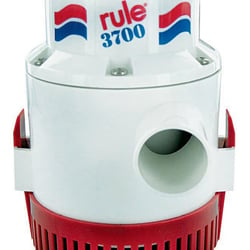
Rule Industries is widely regarded as the world's leading name in submersible bilge pumps. Rule is the world's leading brand for submersible bilge pumps, drawing on 50 years of experience. Their lineup spans compact units for small day boats all the way to high-capacity models for larger vessels, and Rule's automatic pumps feature advanced sensors and motors designed to operate only when necessary, reducing power draw and extending battery life.
Johnson Pumps brings decades of marine engineering expertise to their electric bilge pump lineup. Johnson Pump's marine division is particularly recognized for its expertise in impeller technology, with products such as the Aqua Void™ Cartridge Bilge Pump featuring quick-change motor connections, tool-free maintenance, and automated bilge water management. Johnson bilge pumps are engineered with corrosion-resistant materials and sealed motor designs to withstand constant exposure to moisture, vibration, and harsh marine environments, and are suitable for both freshwater and saltwater applications.
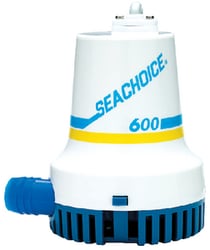
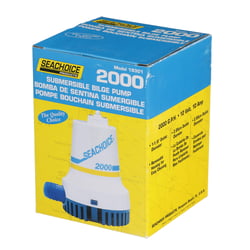
Seachoice offers a value-focused selection of bilge pumps that don't skimp on certification or reliability. Seachoice automatic bilge pumps comply with ABYC, NMMA, USCG, SAE J1171, CE, and RoHS standards, featuring ignition-protected, marine-grade tinned wire and a compact, efficient long-life motor.
Shurflo rounds out the category with rugged, dependable pumps built for demanding marine conditions. Shurflo electric bilge pumps are rugged pumps built for demanding marine use, featuring permanent magnet motors, ABS plastic or nylon housings, and high-strength nylon impellers. Motors are water cooled for extended life.
Installation and Maintenance Tips
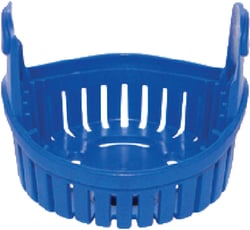
Proper installation makes all the difference in bilge pump performance. Mount the pump at the lowest point of the bilge and route discharge hose above the waterline. Test your pump regularly — at minimum, at the start of each boating season — and inspect wiring connections for corrosion. Keeping the strainer base clean of debris ensures maximum flow rate when you need it most.