



Thru-Hull Fittings
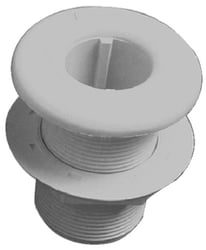


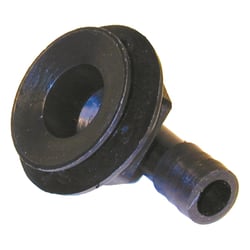

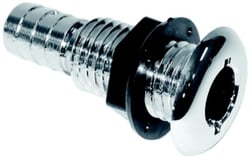

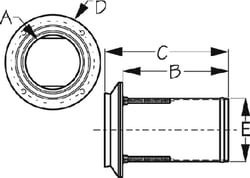

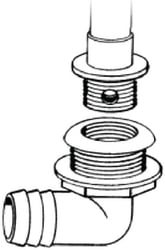
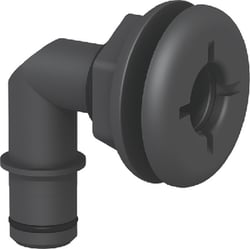
Flow-Rite MA-027-QLB 3/4" Qwik-Lok Thru-Hull Fitting 90 Degree Elbow Flanged Black

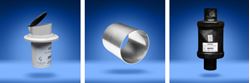

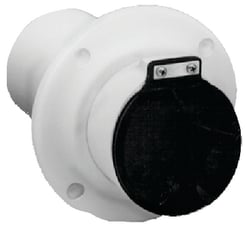
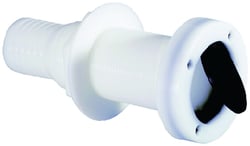
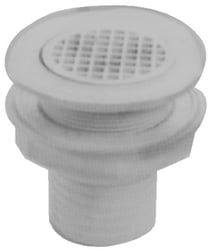
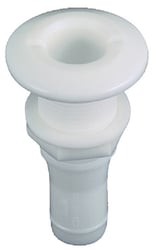
Attwood Marine 3881-1 Thru-Hull Scupper Assembly with Flapper Valve 1-1/2 Inch White

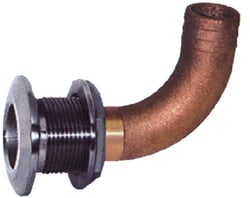
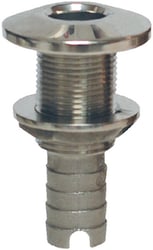
Groco HTHC-1000-S 1" Stainless Steel 90 Degree Hose Thru-Hull Fitting with Bronze Nut
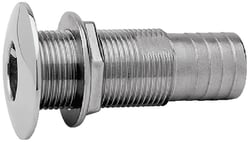
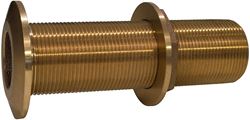
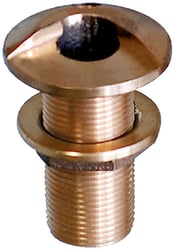
Groco THXL-2000-W Bronze Extra-Length Thru-Hull Fitting with Locknut 2 Inch NPS
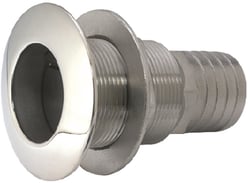
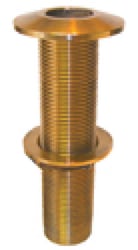
Groco THXL-1000-W Bronze Extra-Length Thru-Hull Fitting with Locknut 1 Inch NPS
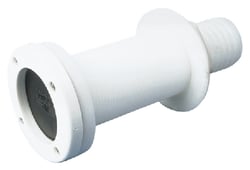
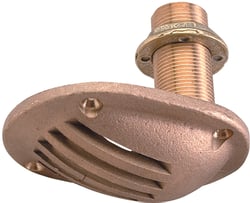
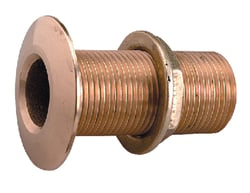
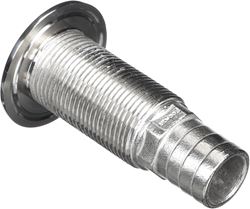
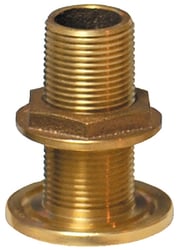
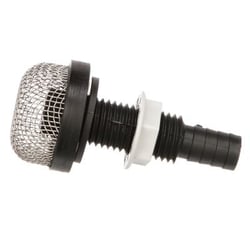

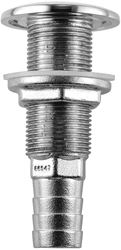
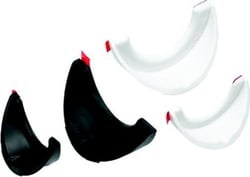
What Are Thru-Hull Fittings?
Thru-hull fittings are among the most critical — and most underappreciated — components in any boat's plumbing system. These metal or plastic devices are composed of threaded pipes and washers that connect pump hoses, outlets, sensors, and other machinery inside the hull to the outside world. They can be located below the waterline or above it, meaning every single one represents a carefully engineered penetration point that must be properly sealed, sized, and maintained.
What Are Thru-Hull Fittings Used For?
Thru-hull fittings are commonly used for a variety of applications on boats, including as intake or discharge fittings for the boat's plumbing systems, as bilge pump fittings, and as transducer fittings for depth sounders or fishfinders. They can also be used for other applications such as engine cooling, air conditioning, and live bait wells. In short, if water needs to move through your hull in any direction, a thru-hull fitting is doing the work.
Why Thru-Hull Fittings Matter for Boat Safety
Every thru-hull fitting is a latent cavity that can sink your boat in a few minutes — which is exactly why choosing quality components and keeping up with inspections are non-negotiable practices. Regular inspection and maintenance of seacocks and strainers are essential for safe operation, with annual checks being especially important, as poorly maintained fittings are a known cause of flooding and engine overheating.
Choosing the Right Material
Thru-hull fittings are made from materials such as bronze, stainless steel, and marine-grade plastics, and are engineered to withstand harsh marine conditions. Each material has its tradeoffs:
- Bronze: Possibly the ideal material for metal thru-hull fittings, it is composed of copper, tin, nickel, and other metals, offering excellent corrosion resistance in saltwater environments.
- DZR Brass: DZR (De-Zincification Resistant) brass contains copper and zinc, plus small amounts of tin and arsenic to prevent dezincification and increase physical strength, making it a popular choice for marine accessories.
- Composite/Plastic: Today's composite thru-hull fittings are made from high-strength, glass-reinforced polymers, and are 100% immune to both galvanic and crevice corrosion — a major advantage in both fresh and salt water.
Sizing and Connection Types
Getting the right size is just as important as picking the right material. Matching the port size — common sizes include 1/2", 3/4", 1", and 1-1/2" — is essential for maintaining proper flow rates. Using a fitting that is too small can restrict water intake for engines or air conditioning units, leading to overheating, while an oversized fitting may require adapters that create additional leak points in the bilge. You'll also want to pay attention to thread type: barbed thru-hulls are designed for direct hose attachment using hose clamps, while threaded thru-hulls are intended to be screwed directly into a seacock or ball valve.
Top Brands in Thru-Hull Fittings
When it comes to marine-grade reliability, brand selection matters. Forespar is a highly respected name in marine plumbing hardware, known for producing durable, purpose-built fittings designed specifically for the demands of offshore and coastal boating. Their thru-hull lineup covers a wide range of hull applications with attention to material compatibility and long-term corrosion resistance.