



Hoses & Hose Reels
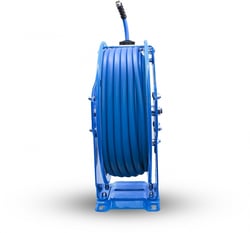

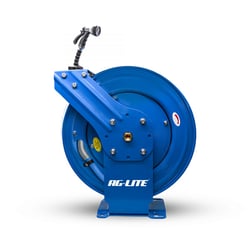
AG-Lite ALWRDA3465 AG-Lite 100% Rubber 3/4" X 65' Water Hose XL Dual Arm 18 Gauge Retractable Reel. 3/4" Male and Female GHT Fittings. 500 PSI Burst Rating. Includes 6' Lead In Hose and Nozzle
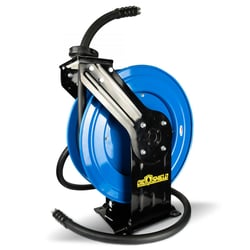

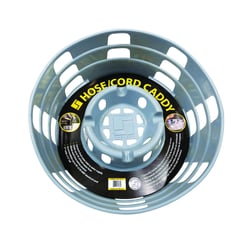

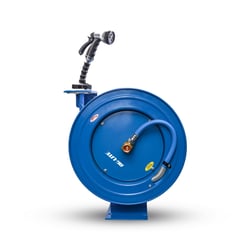
AG-Lite ALWRHD5850 Heavy Duty Hose Reel with 5/8" x 50' Rubber Water Hose Assembly
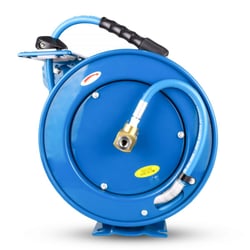
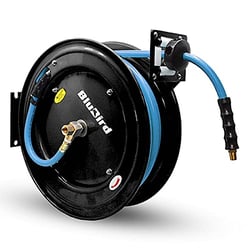
Blushield TTPWR1450-NM Tough-Tek Rubber Pressure Washing Hose Reel 1/4" x 50' Single Arm Heavy Duty

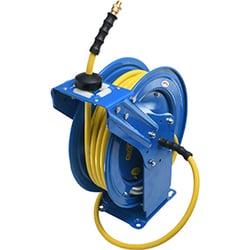
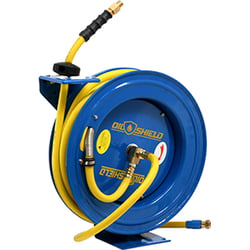
BluBird OSRDA12100 OilShield Rubber Air Hose Reel Dual Arm Assembly 1/2in x 100ft

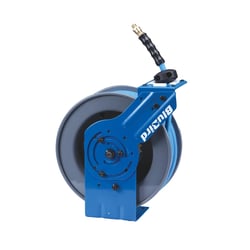
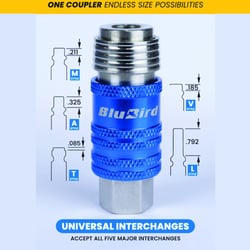
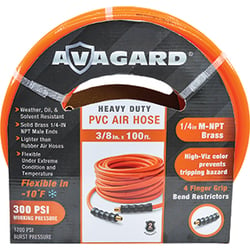
BluBird BB3850-5CP BluBird Rubber Air Hose 3/8" X 50'- 3/8" Male-NPT, 300 PSI, EPDM with Universal 5 in 1 Coupler
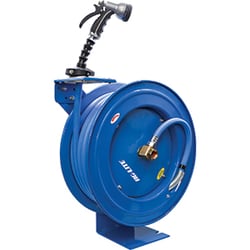
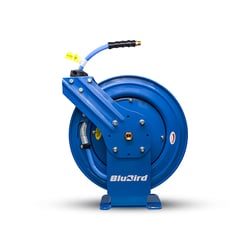
BluBird ALWRHD3450 AG-Lite Heavy Duty Hose Reel with 3/4in x 50ft Rubber Hose
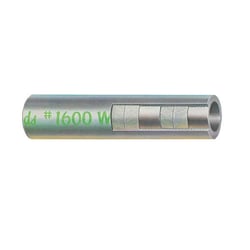

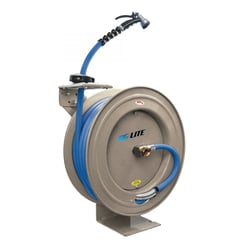
AG-Lite ALWR5850-CR AG-Lite 100% Rubber 5/8" X 50' Water Hose Heavy Duty 18 Gauge Retractable Reel. 3/4" Male and Female GHT Fittings. 500 PSI Burst Rating. Includes 6' Lead In Hose and Nozzle. Cream Color
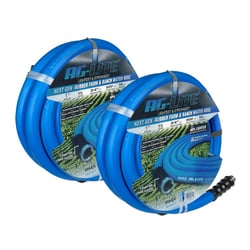
AG-Lite ALONE15-2pk AG-Lite 100% Premium Rubber Water Lead In Hose, 1" X 15', 3/4" Male and Female GHT Fittings. 500 PSI Burst Rating. Includes Extra Washer and Bend Restrictor. 2 Pack
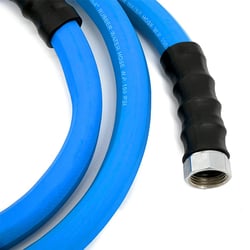
AG-Lite ALONE06-2pk AG-Lite 100% Premium Rubber Water Lead In Hose, 1" X 6', 3/4" Male and Female GHT Fittings. 500 PSI Burst Rating. Includes Extra Washer and Bend Restrictor. 2 Pack
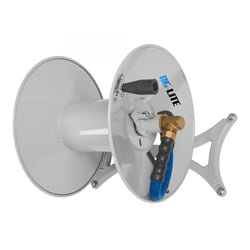
AG-Lite ALMRW58150 AG-Lite Wall Mounted Manual Hose Reel 5/8” X 150'. Hose Not Included
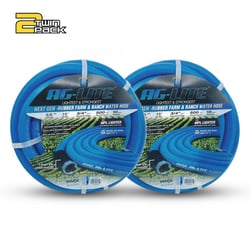
AG-Lite AL5815-2pk AG-Lite 100% Premium Rubber Water Lead In Hose, 5/8" X 15', 3/4" Male and Female GHT Fittings. 500 PSI Burst Rating. Includes Extra Washer and Bend Restrictor. 2 Pack
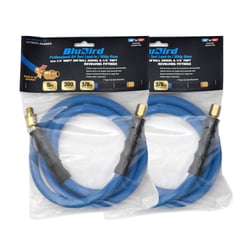
BluBird BBSR3805-2pk Rubber Air Hose Whip Snubber 3/8" x 5' 300 PSI EPDM 2-Pack
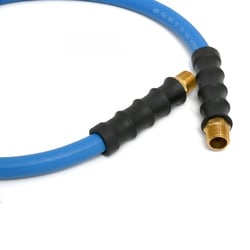
BluBird BBLD1203-2pk Rubber Air Hose Lead In 1/2" x 3' 300 PSI EPDM 2-Pack
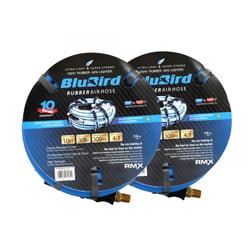
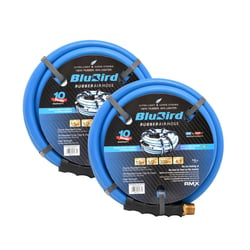
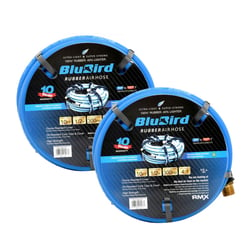
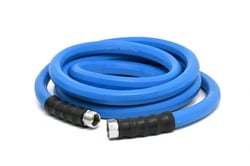
AG-Lite AL3415-2pk AG-Lite 100% Premium Rubber Water Lead In Hose, 3/4" X 15', 3/4" Male and Female GHT Fittings. 500 PSI Burst Rating. Includes Extra Washer and Bend Restrictor. 2 Pack
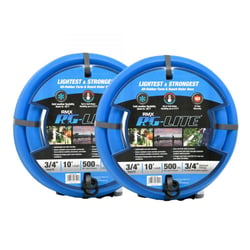
AG-Lite AL3410-2pk AG-Lite 100% Premium Rubber Water Lead In Hose, 3/4" X 10', 3/4" Male and Female GHT Fittings. 500 PSI Burst Rating. Includes Extra Washer and Bend Restrictor. 2 Pack
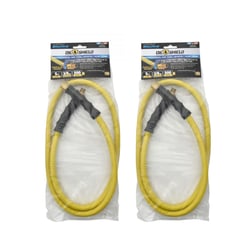
OilShield OSSR3805-2pk OilShield Rubber Air Hose Assembly 3/8" X 05'- 3/8" Male-NPT, 300 PSI, Nitrile Class A, 2 Pack
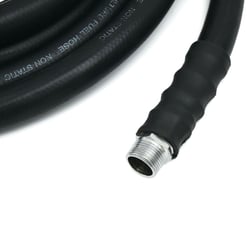
OilShield OSFH3414-2pk 3/4" x 14' Rubber Fuel Transfer Hose with Static Wire 2 Pack
The Essential Guide to RV & Marine Hoses and Hose Reels
Whether you're pulling into a campground or docking at a marina, having the right hose is one of the most fundamental — and most overlooked — parts of your setup. RV and marine hoses are not the same as standard garden hoses, and using the wrong type can have real consequences for your water quality, equipment, and safety.
Why Dedicated RV & Marine Hoses Matter
Standard garden hoses are not rated for potable water in the same way RV and marine drinking water hoses are. They can leach chemicals into your water supply that taste and smell unpleasant — or worse, may be toxic. RV and marine hoses designed for fresh water use are manufactured with food-safe materials that are lead-free and free of harmful phthalates, meeting Federal Safe Drinking Water Act standards and, in many cases, stricter California guidelines as well.
Beyond safety, hoses built specifically for the RV and marine environment are engineered to handle the unique challenges these settings demand: UV exposure on the open water or at a sunny campsite, abrasion from rough dock surfaces or gravel pads, and temperature swings from freezing mountain mornings to sweltering summer afternoons. Look for hoses constructed from durable materials such as rubber, polyurethane, or reinforced vinyl, each of which offers a different balance of flexibility, weight, and durability.
Types of Hoses to Know
- Potable / Drinking Water Hoses: The most important hose in your kit. Used to connect to campground water hookups or marina spigots, these must be clearly labeled as drinking-water safe. They're often white or blue to distinguish them from utility hoses.
- Marine Washdown Hoses: Built for rinsing decks, gear, and exteriors. Kink resistance and burst strength are key priorities here, as these hoses see heavy use under variable pressure conditions.
- Heated Water Hoses: Essential for cold-weather camping. These insulated hoses include a heat strip that plugs into a standard electrical connection to keep water flowing even when temperatures drop below freezing.
- Utility / Tank Flush Hoses: Used for black tank rinsing and other non-potable tasks. These should always be stored and used separately from your drinking water hose — cross-contamination is a serious health risk. Many experienced RVers color-code their hoses to avoid any mix-ups.
Choosing the Right Hose Reel
A quality hose reel is far more than a convenience accessory — it's a smart investment in the life of your hose. Dragging a drinking water hose across rough terrain or leaving it in an unorganized pile increases the risk of kinks, punctures, and contamination. A dedicated reel keeps the hose elevated, protected, and ready to deploy cleanly every time you make camp or dock.
Hose reels for RV and marine use range from simple manual crank models to motorized, auto-retracting systems. Manual reels are compact and budget-friendly, making them a solid choice for weekend adventurers. Motorized reels — which often run on 12V or 24V DC power — offer the ultimate in convenience for full-time RVers or those who move frequently. Look for corrosion-resistant materials such as powder-coated steel frames and anodized aluminum spools, since both the marine and RV environments expose hardware to moisture and salt air.
Key Buying Considerations
- Hose Length: Match your hose length to the distance between your RV or vessel and the water source. Carrying two 25-foot hoses gives you flexibility — use one when the hookup is close, connect both when it's farther away.
- Diameter: Most RV and marine hoses come in 1/2-inch or 5/8-inch inside diameter. Larger diameters can allow better flow rates depending on your system.
- Coupling Quality: Look for brass or stainless steel couplings to prevent leaks and resist corrosion. Avoid plastic fittings in demanding marine or high-use RV applications.
- Drinking Water Safety Certification: Check for NSF/ANSI certification or equivalent potable-water compliance markings on the label before using any hose for fresh water supply.
- Maintenance: Drain hoses completely after each use to prevent freezing and internal damage. Sanitize drinking water hoses periodically to prevent buildup and contamination.
From the basic campground hookup to a full-time liveaboard setup, the right hose and reel combination makes every trip smoother, safer, and more organized.