



Adapters
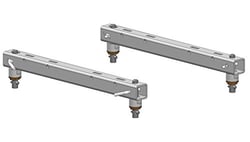

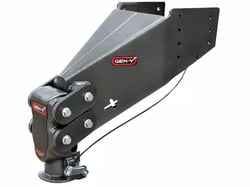
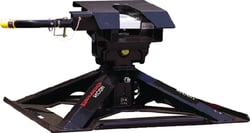
Gen-Y Hitch GH-8056AL-BRK-BK Executive Torsion-Flex Fifth Wheel to Gooseneck Adapter with Auto Latch

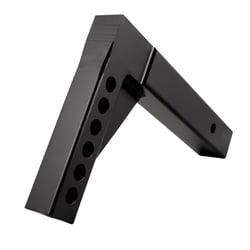

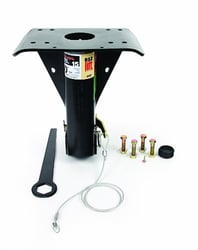

 Representative Photo, actual item may vary

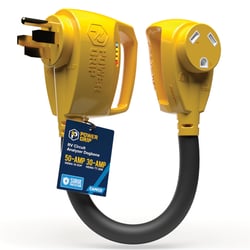
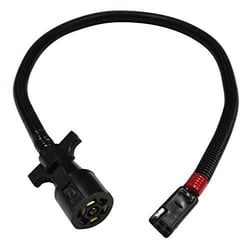

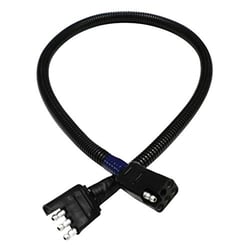
RV Pigtails 30020 4-Way Flat to 6-Way Square Trailer Wiring Adapter for Starcraft
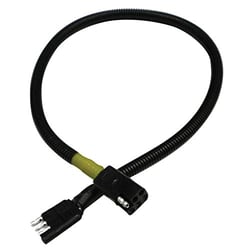
RV Pigtails 30040 4-Way Flat to 6-Way Square Trailer Wiring Adapter 30 Inch Yellow
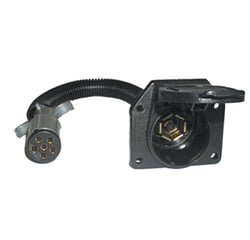

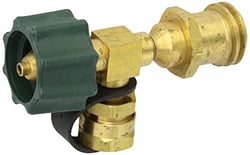

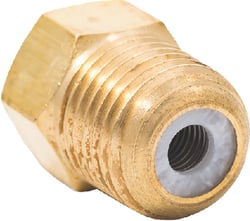
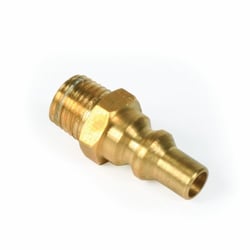
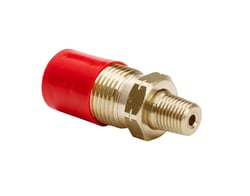
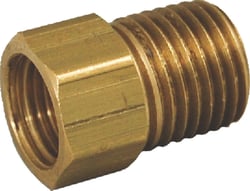
Camco 59954 LP Propane Fitting 1/4" Male NPT to 1/4" Female Inverted Flare with Check Valve
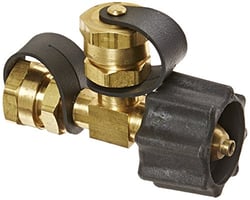
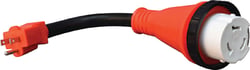
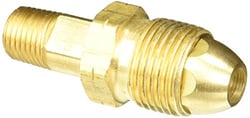
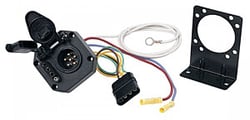


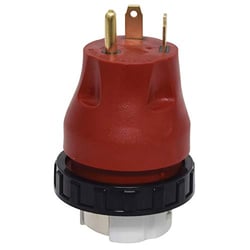

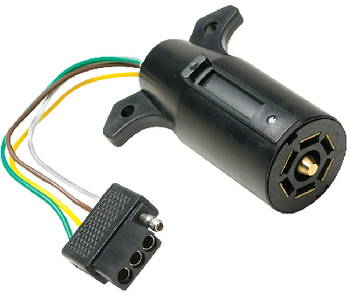 Representative Photo, actual item may vary

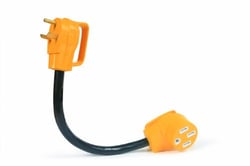

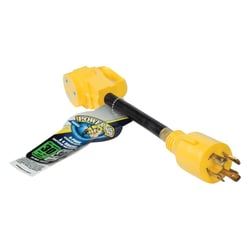
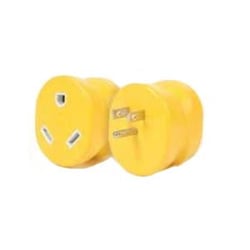
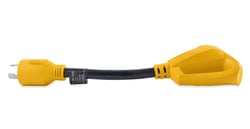
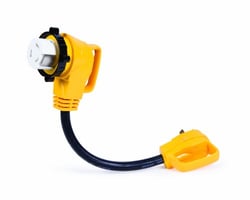
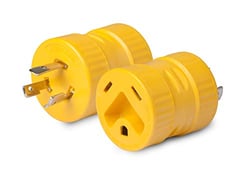
Camco 55272 30 Amp RV Generator Power Adapter 12 Inch L5-30 Locking to Standard 3-Prong

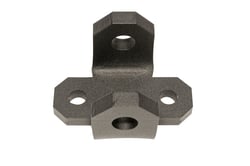
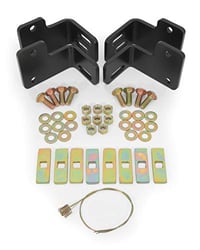
Bulletproof Hitches STABILIZERBARS Frame-Mounted Trailer Hitch Stabilizer Draw Bars

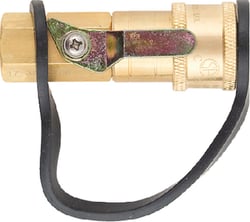
Marshall Excelsior MEGMCL4P Quick Disconnect Coupler 1/4" QD x 1/4" FNPT with Shut-Off Valve




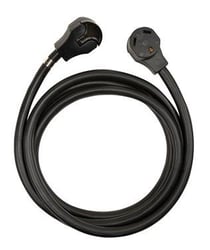
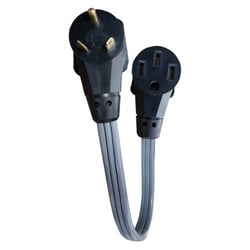
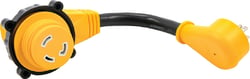
Southwire 50A30MFST RV Power Cord Adapter 50 Amp Male to 30 Amp Female 25 Ft

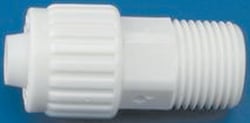
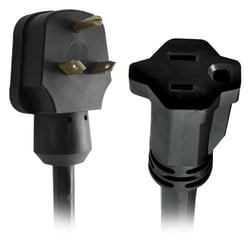
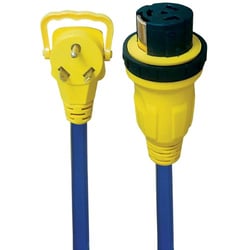
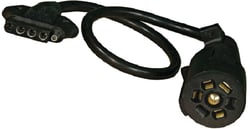
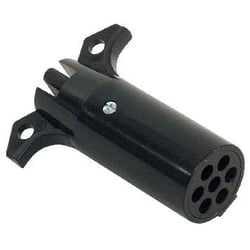
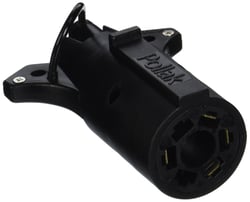
Sierra TC50000 7-Pole RV Blade to 5-Pole Flat Trailer Wiring Adapter 18-Inch Extension Harness

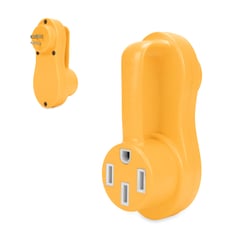
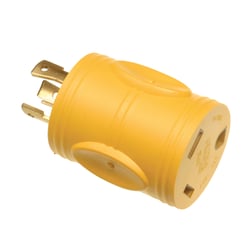
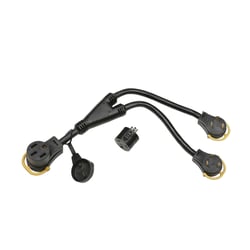

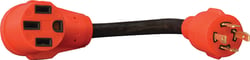
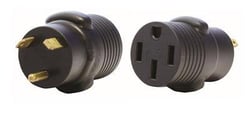
Valterra A103050AVP Mighty Cord 30 Amp Male to 50 Amp Female RV Adapter Plug
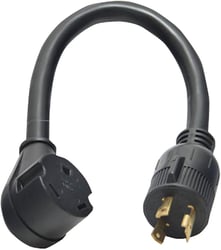
Valterra A10G30330VP Generator Adapter Cord 30 Amp 3-Prong Twist Lock 12 Inch
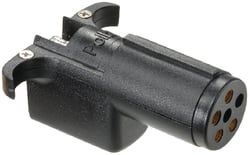
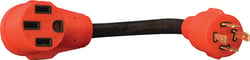
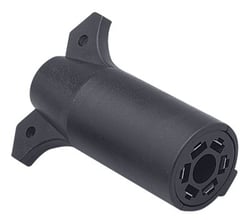
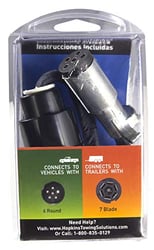
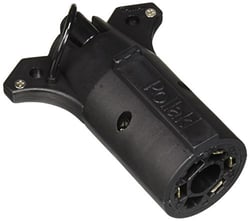
Seachoice 58081 7-Way RV Blade to 6-Way Round Electric Brake Trailer Wiring Adapter




- 1
- 2
What Are RV & Trailering Adapters?
Adapters are the unsung heroes of any RV or trailering setup. Whether you need to bridge incompatible electrical connections at a campground, convert a fifth wheel kingpin to work with a gooseneck ball, or interface a tow bar with a different baseplate, the right adapter makes the difference between a smooth departure and a frustrating delay on the side of the road. In the world of RV and marine trailering, no two hookups are ever quite the same — and that's precisely where adapters earn their keep.
Types of Trailering Adapters
The adapter category covers a broad range of products, and understanding what you need before you shop saves time and guesswork:
- Electrical Power Adapters: These convert between different amperage and plug configurations — for example, stepping down a 50-amp RV connection to a 30-amp or 15-amp campground pedestal, or connecting a generator to an RV power inlet. They are essential for accessing shore power at campgrounds with varying electrical standards.
- Fifth Wheel to Gooseneck Adapters: For truck owners who already have a gooseneck ball installed, these adapters allow a fifth wheel trailer's kingpin to connect to the gooseneck ball — freeing up truck bed space and eliminating the need for a full fifth wheel hitch.
- Tow Bar & Hitch Adapters: These bridge gaps between different tow bar systems, baseplates, and receiver sizes, ensuring that your flat towing or dinghy towing setup fits together securely regardless of the vehicle or RV combination.
- Wiring & Plug Adapters: Connector adapters let you match trailer light wiring plugs (4-flat, 5-flat, 6-round, 7-way RV blade) between tow vehicle and trailer when the configurations don't match from the factory.
Why the Right Adapter Matters
Using the wrong adapter — or skipping one altogether — can result in electrical damage to your RV's systems, unsafe towing dynamics, or outright failed connections. Quality adapters are rated for specific amperage loads, gross trailer weights, and environmental exposure. Look for ETL or UL listings on electrical adapters and rated gross trailer weight (GTW) specifications on mechanical hitch adapters before making a purchase.
Top Brands in RV & Trailering Adapters
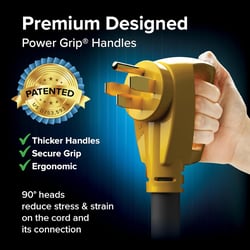
Camco is one of the most recognized names in RV electrical accessories, offering a wide lineup of power cord adapters designed for campground and marine use. Their signature PowerGrip handle design makes plugging and unplugging effortless, and many models carry ETL safety listings for peace of mind.
Popup Industries has been engineering fifth wheel and gooseneck towing solutions since 1998. Their kingpin-to-gooseneck adapters are available in multiple offset configurations — including 6-inch, 9-inch, 12-inch, and 16-inch variants — making them a go-to choice for truck owners who want to reclaim their bed space without sacrificing towing capacity.
Blue Ox brings decades of flat-towing expertise to the adapter category. Their precision-engineered tow bar adapters and receiver adapters are designed to connect different hitch types, baseplates, and tow bar systems, giving RV owners the flexibility to mix and match components with confidence.
RV Pigtails focuses specifically on wiring and electrical connection adapters for trailers and RVs, offering solutions that make it simple to match up mismatched plug configurations between tow vehicles and trailers.
Red Horse Performance rounds out the category with high-performance adapter fittings built to handle demanding applications, appealing to enthusiasts who prioritize durability and precision in their trailering hardware.