



Lowrance Transducers & Accessories
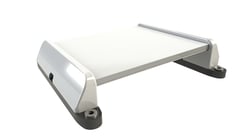

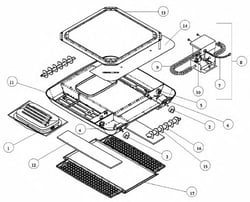
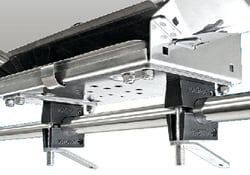
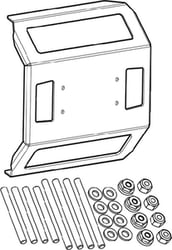
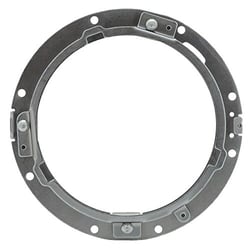
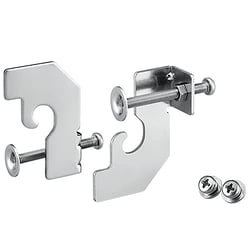
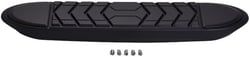
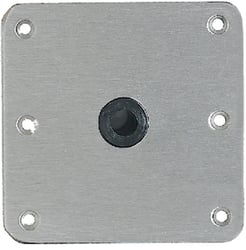
Coleman 8333A1031 Mounting Frame & Bolt Kit for Mach 8000 Series Air Conditioner

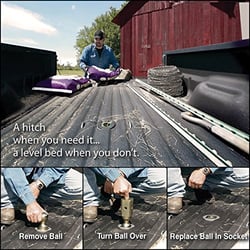

 Representative Photo, actual item may vary
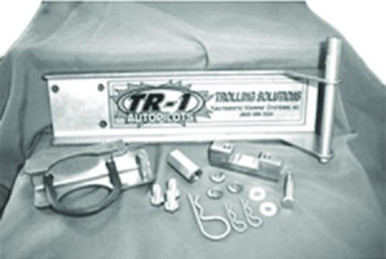
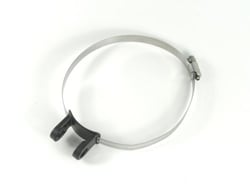
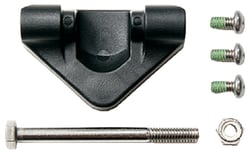
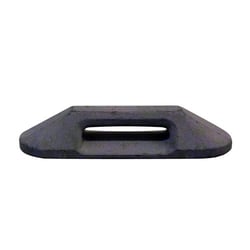
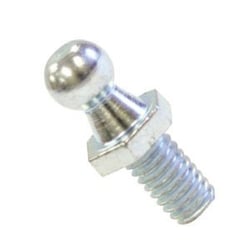
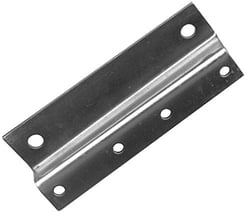
TR-1 120-1040-00 Cylinder Bracket Mount Kit for Yamaha 6HP & 8HP Outboard Motors



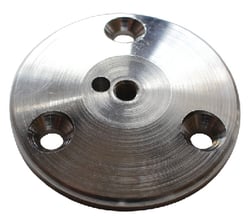







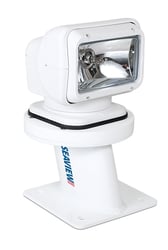
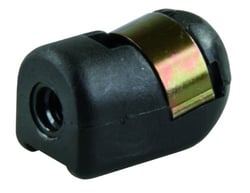
Seaview PMA5FSL7 5.25" Aft Leaning Mount for Searchlights and Thermal Cameras
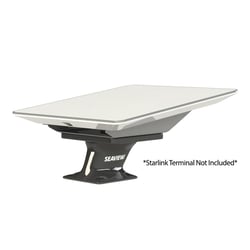
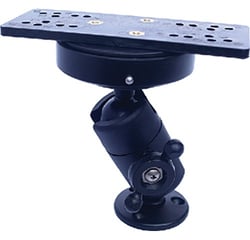
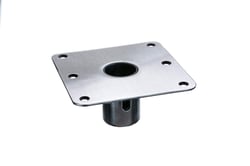
Seaview ADASTLKABLK+PMA57M1BLK Starlink High Performance 5" Pedestal Mount Kit - Black
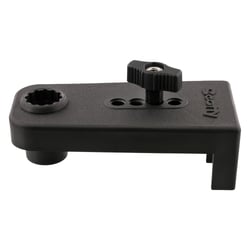

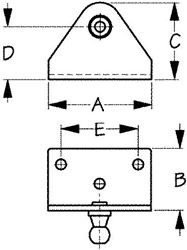

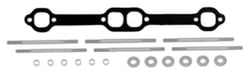

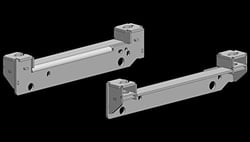

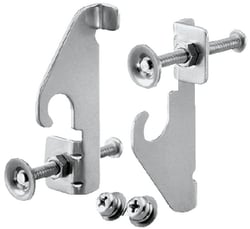
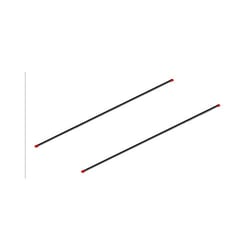

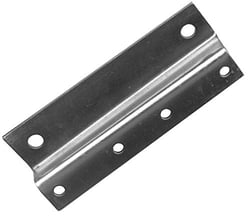



 Representative Photo, actual item may vary

How Lowrance Transducers Work — and Why They Matter
At the heart of every fish finder and chartplotter system is the transducer — the component that makes underwater visibility possible. Transducers act as both a transmitter and a receiver, sending sonar signals (pings) into the water column and then interpreting the returning echoes to build a picture of what lies beneath. Whether you're targeting bass on a freshwater lake or running offshore for snapper, the quality of your transducer determines how clearly and accurately you see fish, structure, and the bottom below your hull.
Transducers can be installed in several ways depending on your hull type and fishing style. Common configurations include transom mounting, shoot-thru-hull, standard thru-hull, and mounting directly on a trolling motor — each offering different trade-offs in terms of installation complexity, signal quality, and high-speed performance.
Understanding Sonar Technologies
Modern sonar technology has evolved far beyond a simple depth reading. Today's transducers offer a range of imaging modes tailored to different fishing scenarios:
- CHIRP Sonar — Rather than broadcasting a single fixed frequency, CHIRP continuously sweeps through a range of frequencies, delivering higher-resolution images and superior target separation. This makes it much easier to distinguish individual fish from structure, even at depth. Low CHIRP excels in deep water, while High CHIRP gives the sharpest detail in shallower conditions.
- DownScan Imaging™ — Uses a narrow, high-frequency beam aimed directly downward to produce photo-like images of the bottom and structure beneath your boat. It's ideal for identifying bottom composition — sand, rock, mud — and spotting how fish relate to cover like timber, brush piles, or rock piles.
- SideScan Sonar — Broadcasts to each side of the boat simultaneously, allowing anglers to cover vast swaths of water efficiently. It's especially effective for locating fish-holding structure like ledges, weed lines, and drop-offs before ever making a cast.
- StructureScan® 3D — Takes sonar imaging a step further by rendering a true three-dimensional view of fish, structure, and bottom contour, giving anglers a spatial understanding of the underwater environment that flat imagery can't match.
- Live Sonar — The newest frontier in transducer technology, live sonar provides real-time, high-resolution imaging of fish responding to your lure as it happens, enabling split-second adjustments that can be the difference between a catch and a miss.
Multi-Technology Transducers
One of the most practical developments in transducer design is the multi-function unit that combines several sonar types into a single housing. All-in-one transducers bring together traditional CHIRP, SideScan, and DownScan Imaging into one streamlined package, eliminating the need to install multiple transducers and simplifying your wiring and setup significantly.
Accessories That Complete Your Sonar System
Beyond transducers themselves, a well-functioning sonar setup often relies on a range of supporting accessories. Mounting brackets, extension cables, adapter cables, fairing blocks, and sonar modules all play a role in getting the most out of your electronics. For example, adapter cables allow newer transducers to connect to legacy displays, while sonar modules can unlock advanced imaging capabilities on compatible units. Proper mounting hardware ensures your transducer stays at the right angle and depth for accurate readings at all speeds.
Choosing the Right Transducer
Selecting the right transducer comes down to a few key factors: where you fish, how deep the water is, and how your boat is set up. Shallow-water anglers targeting structure benefit most from DownScan and SideScan capabilities, while deep-water anglers pursuing offshore species should prioritize Low CHIRP for its superior depth penetration. Always verify compatibility between your transducer and your display unit before purchasing, as connector types and sonar port formats vary across product generations.