



Tires & Tubes
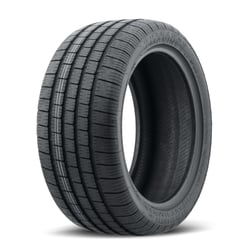
Journey WVS6902156517R10DTAP Vision WVS690 Marine Heavy Hauler DTAP Trailer Tire ST215/65R17

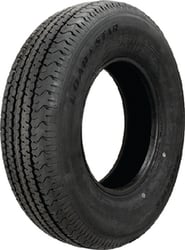

Journey WVS6902156015R10DTAP Vision WVS690 Marine Hauler DTAP Trailer Tire ST215/60R15
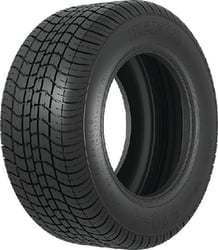
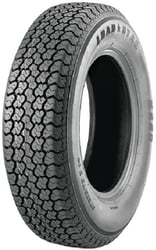
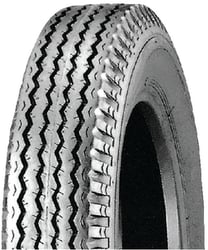
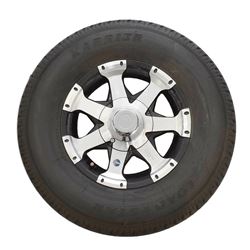
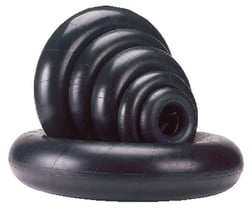
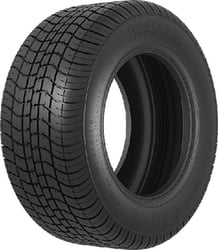
 Representative Photo, actual item may vary
Journey WVS6902654018R10DTAP Heavy Hauler Marine Boat Trailer Winch Strap with Hook
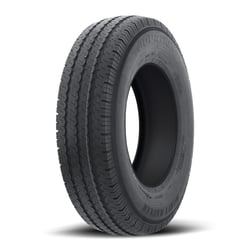
Vision Wheel WR090HH235851610DTAP Journey DTAP Heavy Hauler ST235/85R16 Radial Trailer Tire
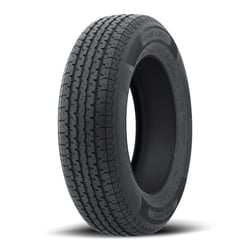
Journey WR078HH235801610DTAP WR078 Heavy Hauler Radial Trailer Tire ST235/80R16
- 1
- 2
Why Trailering Tires & Tubes Matter
When you're hauling a boat to the lake or towing an RV across the country, the tires beneath your trailer are the last line of defense between your investment and the road. Trailering tires are purpose-built for a fundamentally different job than passenger car or light truck tires — they must manage heavy, often static loads, endure long highway stretches at elevated temperatures, and deliver consistent performance without the benefit of regular rotation or active steering input. Choosing the right tire for your trailer isn't just about convenience; it's a critical safety decision.
Understanding Trailer Tire Ratings & Construction
Trailer tires are typically designated with an ST (Special Trailer) prefix, though light truck (LT) tires are also commonly used on heavier boat and equipment trailers. Load range is one of the most important specs to understand — ratings from C through G indicate the ply rating and maximum load capacity of the tire. Higher load ranges, such as E or G, feature stiffer sidewalls engineered to resist the lateral swaying forces that are unique to trailed loads. Tube-type tires are another option, especially on older trailer wheel assemblies, and inner tubes can be a practical solution for maintaining air retention in aged or damaged rims.
Beyond load range, pay attention to the tire's speed rating, inflation pressure requirements, and age. Even tires with deep remaining tread can deteriorate due to UV exposure and oxidation — most manufacturers recommend replacing trailer tires every five to six years regardless of visible wear, especially for RV and marine use where trailers may sit for long periods between seasons.
What to Look for When Shopping Trailering Tires
- Load Capacity: Always match or exceed your trailer's Gross Vehicle Weight Rating (GVWR). Overloading tires is a leading cause of blowouts.
- Correct Tire Size: Consult your trailer's owner manual or door placard for the recommended size. Incorrect sizing can affect handling, clearance, and load distribution.
- ST vs. LT: ST tires have stiffer sidewalls optimized for free-rolling trailer axles; LT tires may be preferred on heavier marine trailers where a wider selection of sizes is needed.
- Tube vs. Tubeless: Most modern trailer tires are tubeless, but tube-type configurations are available for older wheel assemblies or specialty applications.
- Age & Storage: Inspect sidewalls for cracking or crazing. If your trailer sits between seasons, tire covers help extend service life significantly.
Top Brands in Trailering Tires & Tubes
Firestone is one of the most recognizable names in tires, with a heritage spanning well over a century. In the trailering space, Firestone offers proven options like the Transforce HT — a popular choice among boat trailer owners running 16-inch wheels who need a durable, E-rated LT tire capable of handling significant towed weight mile after mile.
Continental brings its commercial and RV tire expertise to the trailering category with a lineup engineered for high load-carrying capacity and durability. Continental offers tires specifically designed for Class A, B, C, and fifth-wheel trailer applications, with all-season options built to deliver reliable traction across a wide range of road and weather conditions.