



Water Heaters
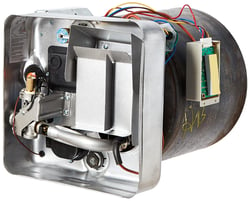

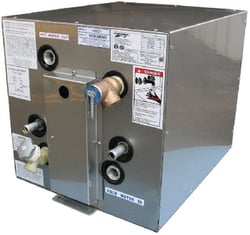
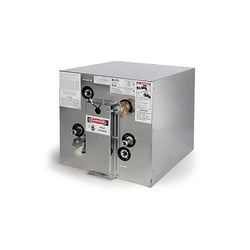
Camco 11841 11-Gallon Marine Water Heater 120V Front Heat Exchanger Front/Back Mount

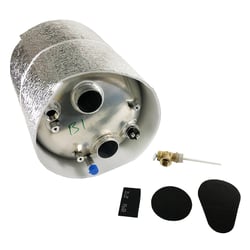

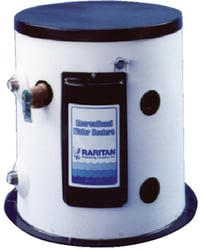
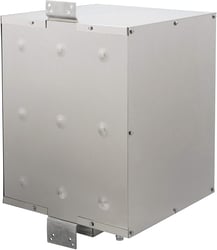
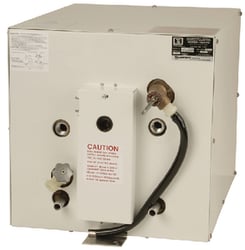
Raritan Engineering 172011 20 Gallon Marine Water Heater with Heat Exchanger 120V

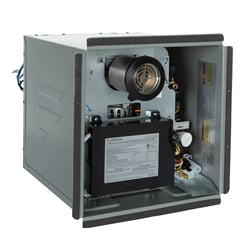
Furrion FWH09AFA-AM Tankless Gas Water Heater 2.4 GPM with Antifreeze Protection

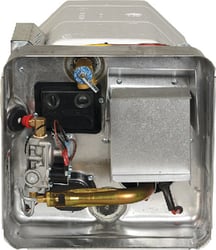
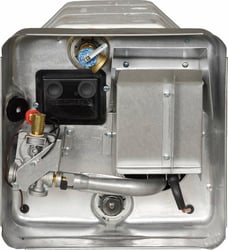
Suburban Mfg 5248A 12-Gallon RV Water Heater with Direct Spark Ignition and Electric Element
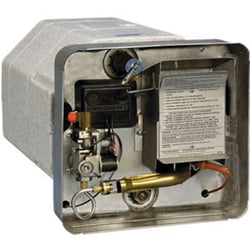
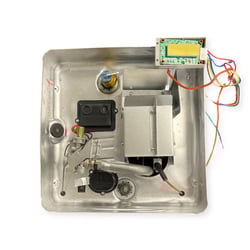
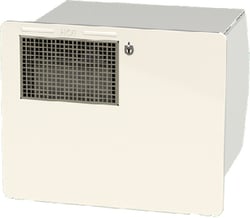
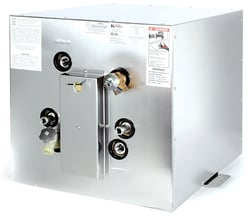
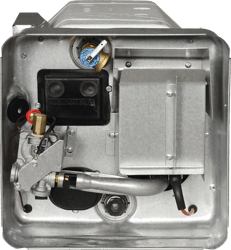
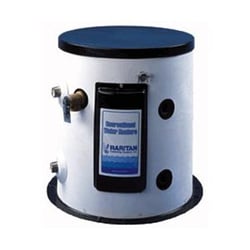
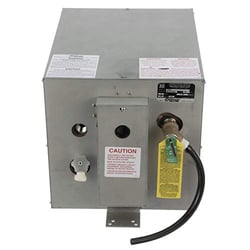
Raritan Engineering 172001 20 Gallon Marine Water Heater 120V Without Heat Exchanger
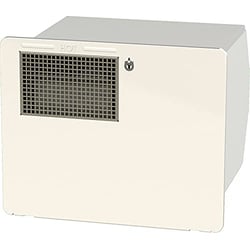
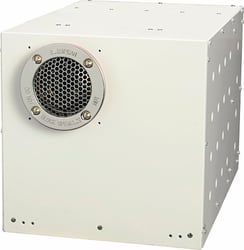
Suburban Mfg 5280A IW60RL RV On-Demand Tankless Water Heater with Recirculation Loop
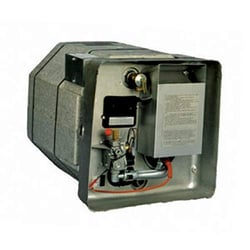
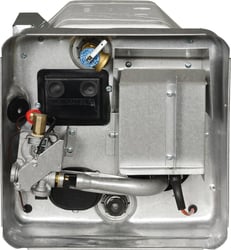
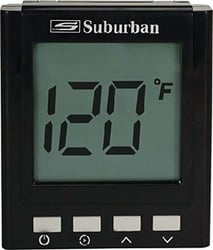
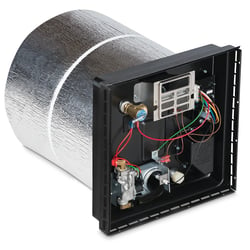
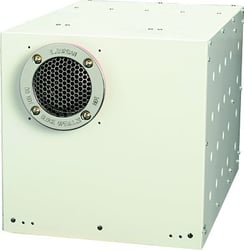
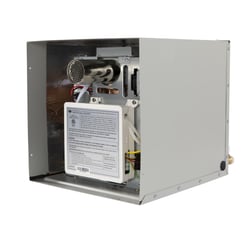
Lippert Components 2022107534 Girard GSWH-2 Tankless RV Water Heater 42,000 BTU Propane


 Representative Photo, actual item may vary
 Representative Photo, actual item may vary

Suburban Mfg 5186A Nautilus IW60 Tankless On-Demand LP Gas RV Water Heater 60,000 BTU

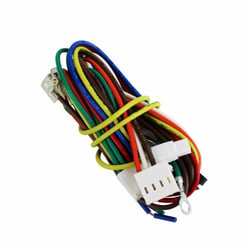
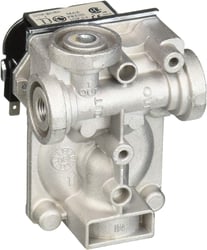

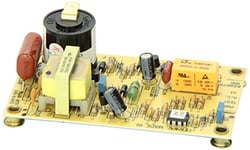
 Representative Photo, actual item may vary
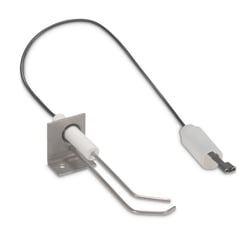
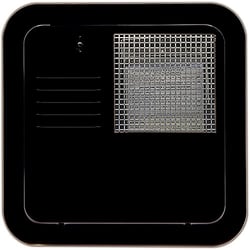
 Representative Photo, actual item may vary
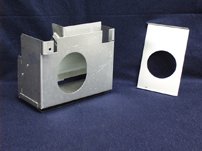
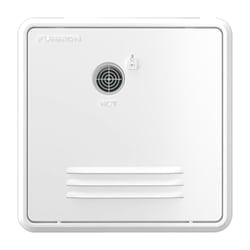
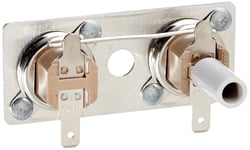
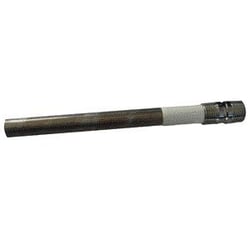
Raritan Engineering 1790610 Magnesium Anode Rod for 6 Gallon Water Heater with Stainless Steel Fitting
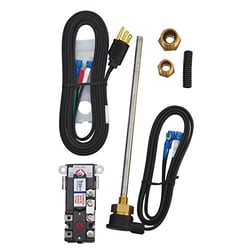

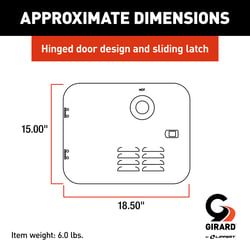
Girard Product RV Water Heater Door Installation Kit Atwood/Dometic Plumbing Parts & Accessories

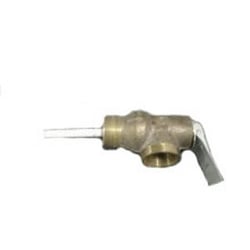
Raritan Engineering WH3 Temperature and Pressure Relief Valve for Marine Water Heaters
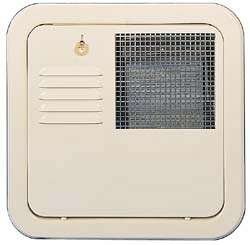
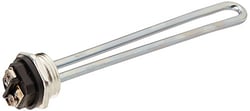
 Representative Photo, actual item may vary
Suburban Mfg 233682 7 Amp Replacement Fuse for ST-42 ST-60 On Demand Water Heaters

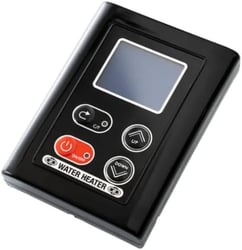
Lippert Components 2022107563 User Control Panel for Girard Tankless Water Heater
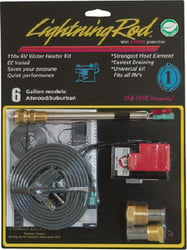
HELM Products LR425 Lightning Rod Electric Water Heater Conversion Kit for 6 Gallon RV Water Heaters
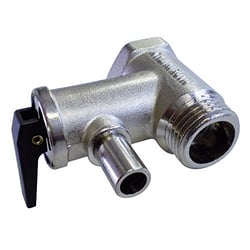
Quick FVSLVS126B00A00 Pressure Relief Valve for Sigmar & B3 Water Heaters

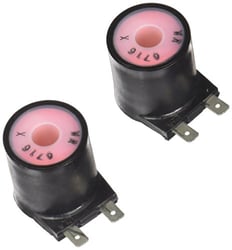
 Representative Photo, actual item may vary

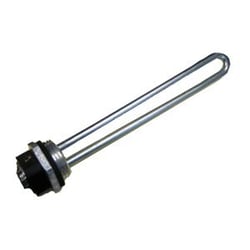
Raritan Engineering WH1AS Marine Water Heater Heating Element 120V 1250W Screw-In
Everything You Need to Know About Water Heaters
Hot water is one of those utilities that's easy to take for granted — until it's gone. Whether you're outfitting a home, upgrading an RV, or equipping a boat, choosing the right water heater has a direct impact on your daily comfort, energy costs, and long-term reliability. With hundreds of models spanning multiple fuel types and technologies, understanding the core differences between water heater types is the first step toward making a smart investment.
Types of Water Heaters
Storage Tank Water Heaters are the most common type found in residential settings. These units continuously store heated water and are fueled by natural gas, propane, electricity, or fuel oil, and typically hold between 30 and 80 gallons. The key metric to evaluate is the first-hour rating — the number of gallons a water heater can deliver in an hour starting with a full tank — which gives you a realistic picture of real-world performance during morning rush demand. Storage tank units tend to have lower upfront costs and straightforward installation, but they do consume energy to maintain water temperature around the clock, even when no hot water is being used.
Tankless (On-Demand) Water Heaters heat water instantaneously without the use of a storage tank. When a hot water faucet is turned on, cold water flows through a heat exchanger and is heated by either a gas burner or electric element, delivering a continuous supply of hot water without waiting for a tank to refill. Tankless water heaters typically provide hot water at a rate of 2–5 gallons per minute, with gas-fired models generally achieving higher flow rates than electric ones. For homes that use 41 gallons or less of hot water daily, demand water heaters can be significantly more energy efficient than conventional storage tank models. With proper maintenance, tankless units can last up to 20 years — roughly twice the lifespan of a typical tank-style unit.
Heat Pump Water Heaters move heat from the surrounding air into the water rather than generating heat directly, resulting in high efficiency and meaningful energy savings. These are particularly popular in warm-weather climates where ambient air temperatures help maximize their output.
Fuel Source: Gas, Propane, or Electric?
Fuel availability and your existing infrastructure will often narrow your choices. Natural gas and propane models typically recover faster and cost less to operate over time, while electric models are widely available, easier to install, and tend to have longer service lives due to simpler mechanics. For sizing a tankless model, the critical figure is the gallons-per-minute (GPM) rating — determined by adding up the flow rates of all fixtures you expect to use simultaneously and accounting for your local groundwater temperature.
Water Heaters for RVs and Marine Applications
Water heaters designed for recreational vehicles and marine environments operate on the same core principles as residential units but are purpose-built for compact, mobile installations. RV tank-style water heaters typically hold between 6 and 12 gallons and run on propane, electricity, or both — with dual-fuel models offering flexibility whether you're hooked up to shore power at a campground or boondocking off the grid. Propane remains the most common fuel source for RV water heaters because of its reliability and portability, allowing you to heat water whether you're plugged in or camping miles from the nearest hookup. Tankless RV models provide a virtually endless hot water supply and free up valuable storage space, making them ideal for families or full-time RVers.
Marine water heaters are engineered to handle the harsh, humid conditions of life on the water. Most operate on electricity or propane, and many are designed to also capture waste heat from the boat's engine through a heat exchanger — converting energy that would otherwise be lost through the exhaust into usable hot water for showers and dishwashing.
Key Considerations When Shopping
- Household or vessel size: Match tank capacity or GPM rating to your peak demand.
- Fuel type: Consider what's available at your location and the long-term operating cost of each option.
- Energy efficiency: Look for ENERGY STAR® certified models, especially for tankless and heat pump units, which may qualify for tax credits.
- Lifespan and maintenance: Tank models require periodic flushing to remove sediment buildup, while tankless models benefit from annual filter cleaning and ventilation inspections.
- Installation space: Traditional storage tanks can occupy significant floor space, while compact tankless units can be wall-mounted in closets or tight compartments.
- Application: Residential, RV, and marine water heaters are not interchangeable — always select a unit designed and rated for your specific environment.