



Winches & Winch Handles


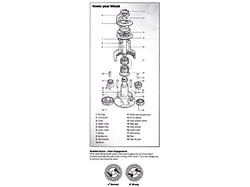
Lewmar 45000108P Winch Stripper Rings for 30ST/40ST Self-Tailing Winches (Pair)


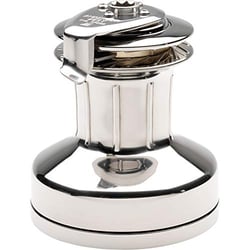
Andersen RA2046010000 46 Self-Tailing 2-Speed Winch Full Stainless Steel

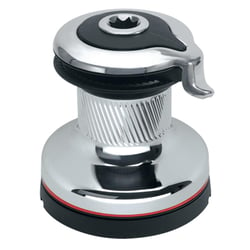
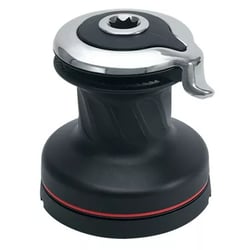
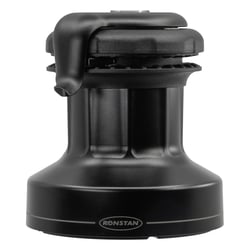

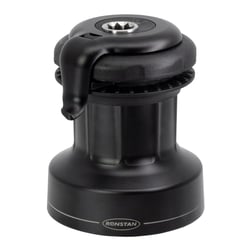
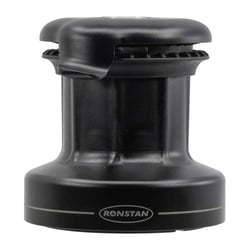
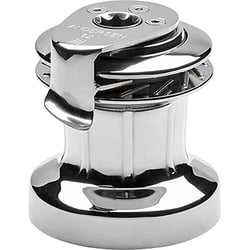
Andersen RA2012010000 12ST Self-Tailing Single-Speed Sailboat Winch Full Stainless Steel
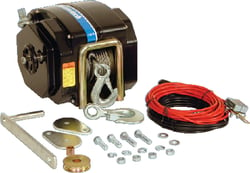

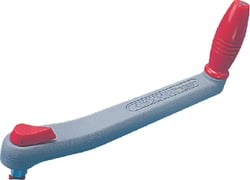

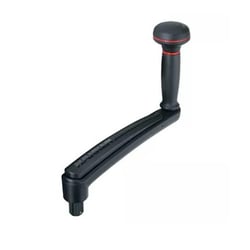
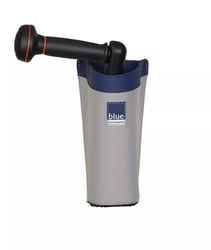

Lewmar 49530057 EVO #30 Two-Speed Self-Tailing Aluminum Sailboat Winch, Gray

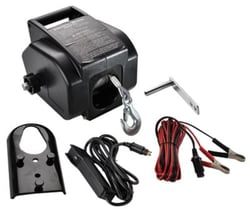

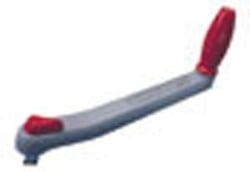
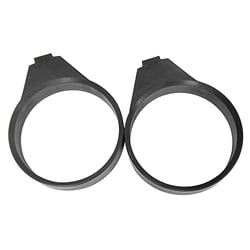

Lewmar 48000221 ELS Electric Winch Control Box Type 1-7 24V for 50ST/55ST/60ST
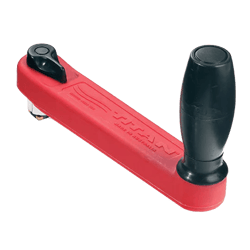
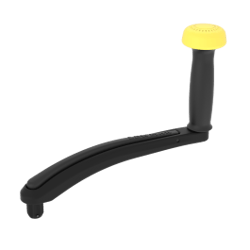
 Representative Photo, actual item may vary
 Representative Photo, actual item may vary
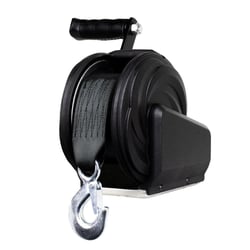
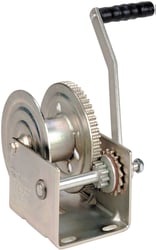
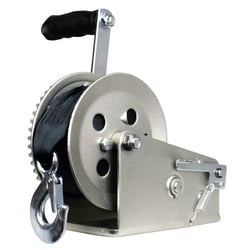
CSI 21400-W-1600-8-B-R Select Series Manual Trailer Winch 1600 lb 8-Inch Crank

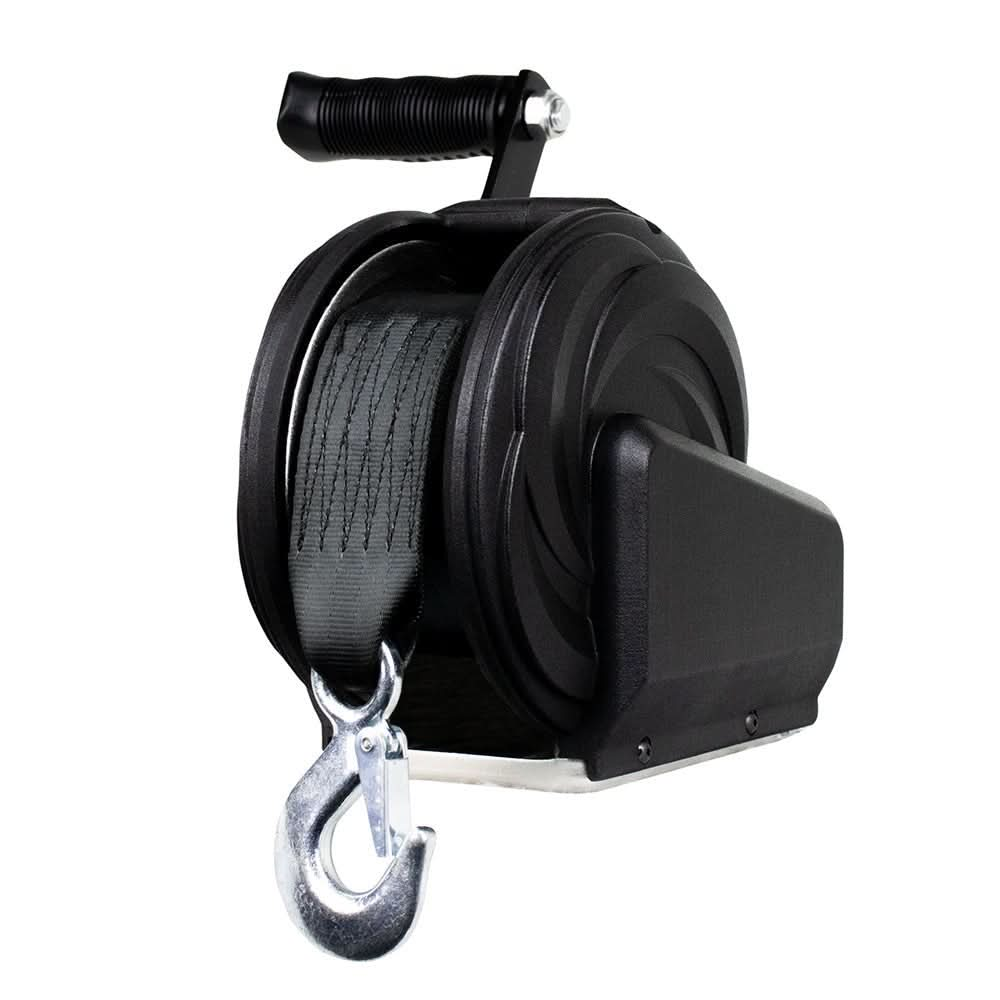 Representative Photo, actual item may vary
CSI 21500-W-1800-8-Z-R Hand Winch 1800 lbs Capacity Zinc Plated 2 Speed
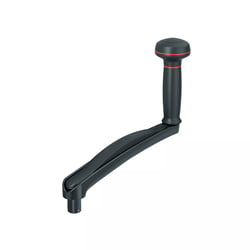
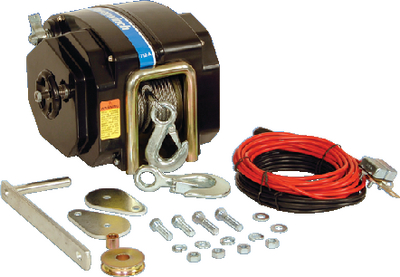 Representative Photo, actual item may vary
Powerwinch 21500-W-2000-8-Z-R Utility Series 2000lb 2-Speed Manual Winch with 8" Crank
 Representative Photo, actual item may vary
Powerwinch 21400-W-1200-8-B-R Select Series Manual Winch 1200 lb 8 Inch Crank Arm
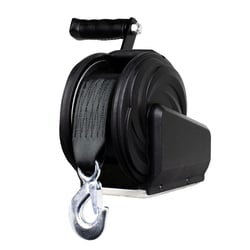
Powerwinch 21400-W-1000-8-B-R Select Series Manual Winch 1000 lb Capacity 8-Inch Crank Arm Carbon Black
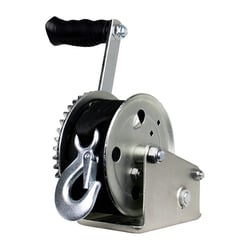
Powerwinch 21500-W-1000-6-Z-R Utility Series Hand Winch 1000 lb 6" Zinc
Understanding Sailing Winches & Winch Handles
A sailing winch is one of the hardest-working pieces of hardware on any sailboat. Whether you're trimming a headsail in a building breeze, hoisting a spinnaker, or hauling up a halyard, a quality winch delivers the mechanical advantage needed to manage powerful loads with control and safety. Without a reliable winch system, even moderate sail trim becomes physically demanding — and in heavy conditions, it can become outright dangerous.
At their core, winches work by converting the rotational force applied through a winch handle into a multiplied pulling force on a line. Most sailing winches feature a ratcheting drum mechanism that holds the load whenever you're not actively cranking, allowing you to take a wrap and rest without losing ground. Two-speed winches let sailors shift between a fast, low-power gear for initial hauling and a slower, high-power gear for the final, load-heavy trim — a feature that makes a noticeable difference when fighting a heavy jib on a close reach.
Choosing the Right Winch for Your Boat
Selecting the right winch comes down to a few key factors: rated power ratio, drum size, mounting configuration, and material construction. Offshore or bluewater sailors tend to prioritize corrosion-resistant materials like stainless steel and anodized aluminum, which hold up to constant saltwater exposure. Daysailors and racers may prioritize a lighter weight winch that keeps cockpit loads manageable without sacrificing durability.
- Self-tailing winches allow a single-handed sailor to grind and tail simultaneously, dramatically improving efficiency when short-handed.
- Manual vs. electric winches — electric winches reduce crew fatigue on larger vessels but require proper wiring and maintenance.
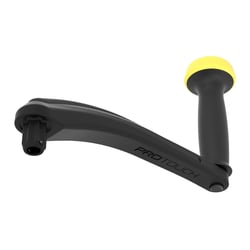
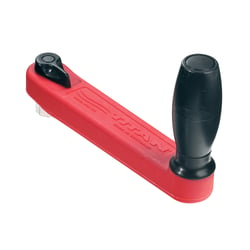
- Winch handle type — locking vs. non-locking, single-grip vs. double-grip; the handle is as important as the winch itself for safety and leverage.
- Gear ratio — higher gear ratios provide more mechanical advantage for heavy loads but require more handle rotations per inch of line travel.
Top Brands in Winches & Winch Handles
Powerwinch is a well-established name in the marine winch market, offering robust solutions trusted by both recreational boaters and serious sailors for reliable, heavy-duty hauling performance. Their winches are a top-selling choice for sailors who need dependable power and consistent mechanical advantage.
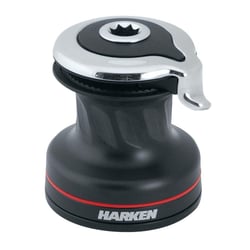
Harken is widely regarded as one of the premier sailing hardware brands in the world, renowned for their precision-engineered winches built for racing and high-performance cruising alike. Harken winches are celebrated for smooth operation, high load capacity, and innovative bearing systems that reduce friction and effort.
Dutton-Lainson brings decades of manufacturing experience to the winch category, producing a broad range of hand, ratchet, and electric winches suited for marine trailer and on-water applications. As a leading manufacturer serving marine, industrial, and automotive markets, their winches are built for durability and broad-use versatility.
Lewmar is a globally recognized sailing hardware brand with a long heritage of designing winches purpose-built for demanding offshore and coastal sailing environments. Lewmar winches are known for their robust construction, wide range of sizes from small cruiser to large offshore yacht, and strong corrosion resistance in harsh saltwater conditions.
Beckson Marine rounds out the category with marine accessories and hardware components trusted for their practical, boat-ready design. Beckson is a dependable choice for sailors looking for quality marine hardware to complement their winch setup.
Don't Overlook the Winch Handle
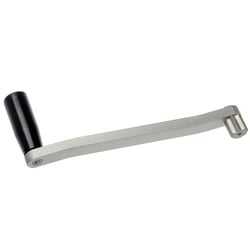
The winch handle is often an afterthought, but it plays a critical role in both performance and safety. A handle that doesn't lock into the winch drum can fly out unexpectedly under load — a serious hazard on a heeling boat. Investing in a quality locking handle with a comfortable grip length appropriate for your winch size is just as important as the winch itself. Keep a spare aboard; losing a handle overboard mid-passage is a scenario every sailor should plan for.