



Electric Winches & Parts
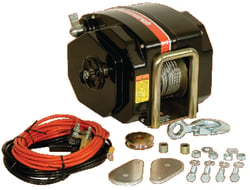

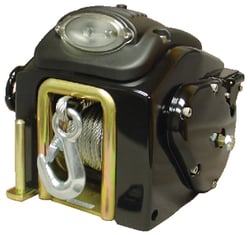
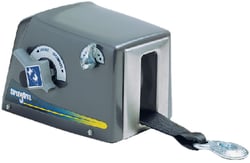

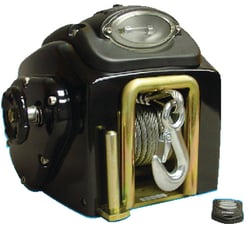
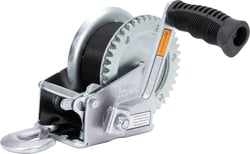

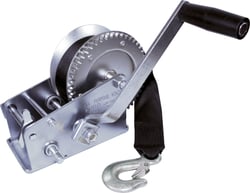
 Representative Photo, actual item may vary
 Representative Photo, actual item may vary

 Representative Photo, actual item may vary
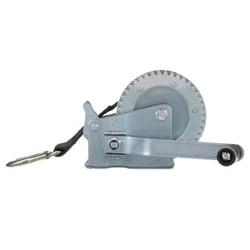
Attwood Marine 11149-4 Single Drive Winch 1200 Lb Capacity with 2" x 20' Nylon Strap
 Representative Photo, actual item may vary
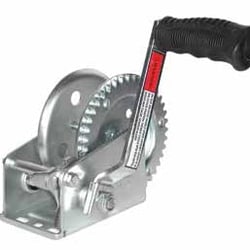
Powerwinch 21500-W-1800-6-Z-R Utility Series Winch 1,800 lb 2-Speed 6" Crank Arm Zinc
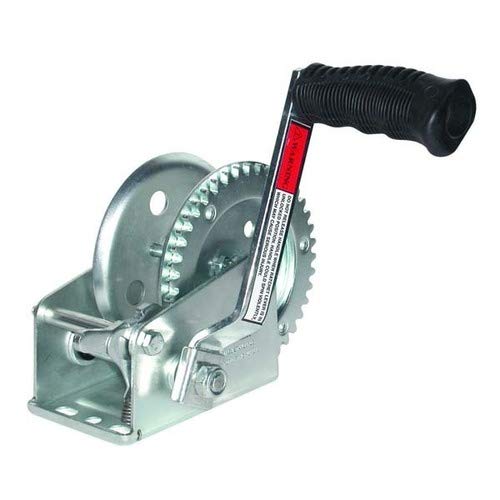 Representative Photo, actual item may vary

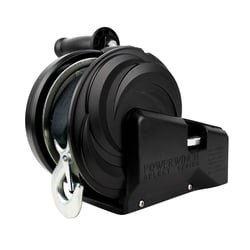
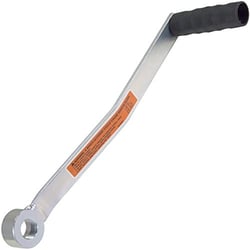
Powerwinch 21400-W-2500-6-B-R Select Series 2-Speed Manual Trailer Winch 2,500 lb Capacity 6-Inch Crank Arm Carbon Black

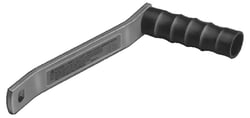
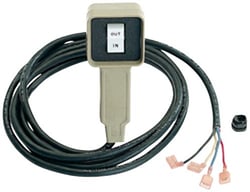
Electric Winches & Parts for Trailering
Whether you're launching a bass boat at dawn or hauling a pontoon out after a weekend on the water, an electric winch is one of the hardest-working pieces of equipment on your trailer. Unlike manual strap winches, electric winches use a 12-volt DC motor to do the heavy lifting — pulling your boat smoothly and consistently up the trailer bunks without breaking a sweat. For anyone who trailers frequently, or who manages heavier vessels, upgrading to an electric winch can transform a stressful, back-straining task into a one-button operation.
How Electric Winches Work
Electric trailer winches mount to the winch post at the front of your boat trailer and connect directly to your tow vehicle's 12-volt electrical system or a dedicated trailer wiring harness. A steel cable or braided synthetic rope attaches to the bow eye of your boat, and the motorized drum reels the line in under controlled, steady tension. Most units include a remote switch, an integrated brake to hold the load on inclines, and a freespool or power-out function for easy launch. Replacement parts — including cables, hooks, straps, solenoids, and remote switches — keep your winch operating at peak performance season after season.
What to Consider When Shopping
- Capacity: Always choose a winch rated for at least the gross weight of your boat, motor, and gear. A common guideline is to select a winch with a rated line pull of at least one-third to one-half the total loaded weight.
- Cable vs. Strap: Steel cables are durable and abrasion-resistant; synthetic straps are lighter, easier to handle, and safer if they snap under load.
- Power Source: Most electric winches draw power from the tow vehicle via a 7-pin trailer connector or a direct battery connection — confirm compatibility before buying.
- Mounting Compatibility: Check that the winch footprint matches your existing trailer's winch post to simplify installation.
- Duty Cycle: If you're launching and loading multiple times per outing, look for a winch designed for repeated use without overheating.
Top Electric Winch Brands
Powerwinch (Carefree of Colorado) is a leading electric winch brand in this category and a long-trusted name in the marine trailering world. Powerwinch builds a broad lineup of 12-volt electric trailer winches engineered for consistent performance and durability through years of waterfront use.
Dutton-Lainson has been manufacturing winches in the United States for well over a century, earning a reputation for rugged, reliable construction. Their electric winch lineup reflects the same quality-first approach that has made them a staple in the trailering industry.
Jif Marine offers purpose-built marine accessories, and their electric winch products are designed with the unique demands of boat trailer use in mind — including corrosion-resistant components suited for saltwater environments.
Bulldog Winch brings heavy-duty winch engineering to the trailer market, with products built to handle demanding loads and tough working conditions with confidence.
SeaSense rounds out the category with practical, budget-friendly marine accessories that make electric winching accessible for a wide range of boaters and trailer setups.