



Tire Change Jacks
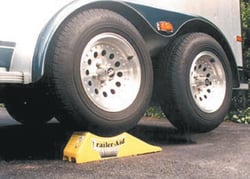

What Are Tire Change Jacks?
A tire change jack is a purpose-built lifting device designed to raise a trailer, RV, or towed vehicle safely off the ground so a flat or damaged tire can be swapped out quickly and efficiently. Unlike the standard floor jacks or bottle jacks you might use in a garage, tire change jacks for trailering applications are engineered to handle the unique frame geometry, weight distribution, and ground clearance challenges that come with hauling boats, campers, utility trailers, and more.
Why Tire Change Jacks Matter for Trailering
Roadside tire changes on a trailer present a different set of challenges than changing a tire on a standard passenger vehicle. Trailers sit low to the ground, often have no factory-supplied jack, and can be loaded with hundreds or thousands of pounds of gear, watercraft, or equipment. Having a dedicated tire change jack designed specifically for these conditions isn't just a convenience — it's a critical safety measure.
Without the right tool, attempting to lift a loaded or unloaded trailer with an improper jack risks damaging the trailer frame, causing a dangerous tip-over, or leaving you stranded on the side of a highway. A proper tire change jack gives you stable, controlled lift at the correct contact points, making the job safer and far less stressful.
Key Features to Look For
- Weight Capacity: Always match the jack's rated capacity to the gross weight of your trailer. Heavier boat trailers, fifth-wheel trailers, and loaded RVs require jacks with higher lift ratings.
- Lift Range: Consider the minimum and maximum height of the jack. Trailers with low clearance need a jack with a low-profile entry point, while lifted or larger rigs may need extended reach.
- Stability & Base Design: A wide, non-slip base is essential on unpaved shoulders, gravel pull-offs, or uneven terrain — common scenarios when a trailer tire blows.
- Portability & Storage: Since a tire change jack lives in your tow vehicle or trailer storage compartment, compact and lightweight designs are a real advantage. Look for jacks that stow flat or in a minimal footprint.
- Ease of Use: Scissor-style and bottle jack mechanisms are both popular for trailering. Scissor jacks tend to be more compact; bottle jacks offer fast, high-capacity lifts with minimal pumping effort.
- Durability: Trailering exposes equipment to moisture, road debris, and temperature swings. Powder-coated or rust-resistant steel construction ensures your jack is ready when you need it most.
When Should You Replace or Upgrade Your Tire Change Jack?
If you've recently purchased a new trailer, upgraded to a heavier tow load, or simply discovered that your current jack is undersized, corroded, or damaged, it's time to invest in a reliable replacement. Many trailer owners don't think about their jack until they need it — by then, it's too late to shop carefully. Keeping a properly rated tire change jack on board every time you hit the road is one of the simplest and most practical preparations any trailering enthusiast can make.
Whether you're hauling a jon boat to a local lake or towing a large travel trailer cross-country, the right tire change jack ensures that a flat tire is nothing more than a brief inconvenience rather than a dangerous ordeal.