



Boat Guides
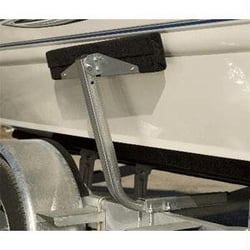

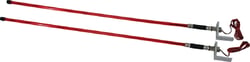

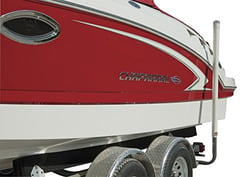
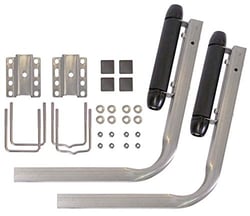
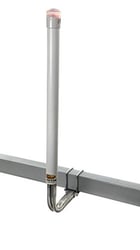
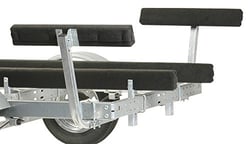
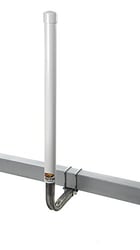
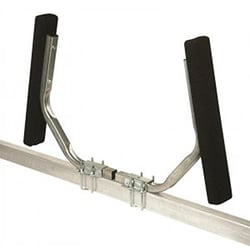
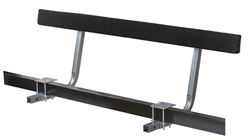

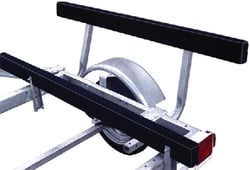
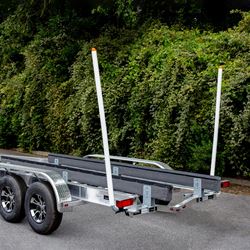
Tie Down Engineering 86119 Heavy-Duty 60in PVC Boat Trailer Guide-Ons, 13-Degree Slant, Pair
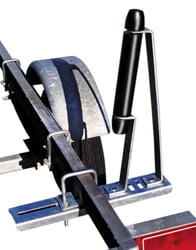
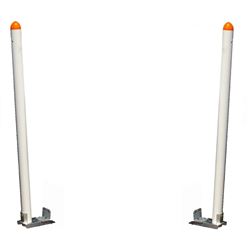
Tie Down Engineering 86105 Adjustable PVC Post Boat Trailer Guide-On Pair 48 in.
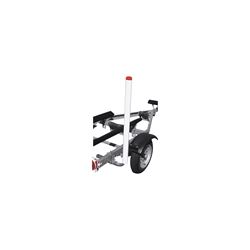
Tie Down Engineering 86103 Heavy-Duty 48-Inch PVC Boat Trailer Guide-On Posts, Pair
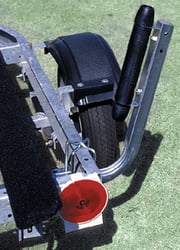
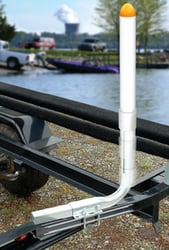
Tie Down Engineering 86468 Floating Pontoon Trailer Guide-Ons Pair 24"-36" Adjustable
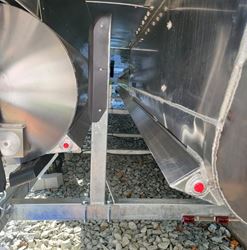
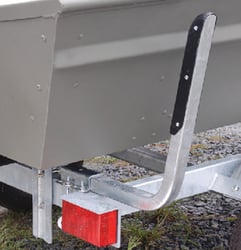
Tie Down Engineering 86466 Low Rider Boat Trailer Guide-Ons Galvanized Steel Pair
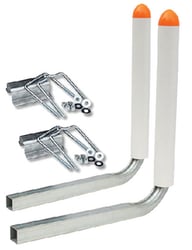
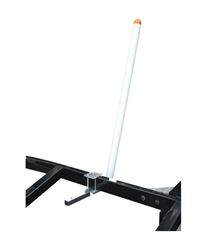
Tie Down Engineering 86441 Heavy Duty Boat Trailer Guide-On Posts 48in with LED Lights
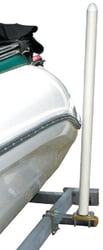
Tie Down Engineering 86201 Hull Sav'r 60-Inch Premium Polymer Guide-On Post Kit, Pair
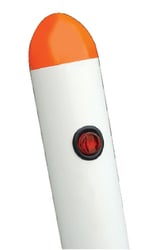
Tie Down Engineering 86440 Heavy-Duty 60in Boat Trailer Guide-Ons with LED Lights
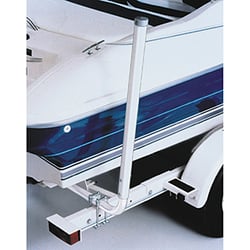

What Are Boat Guides and Why Do You Need Them?
Anyone who has wrestled a boat onto a trailer in a stiff crosswind or a running current knows the frustration — and the risk. Boat guides, also called guide-ons, are trailer-mounted accessories that give your hull a clear lane to follow when loading and launching, protecting your investment and saving time every single trip. Attached to the rear uprights of your trailer frame, they create a physical and visual pathway that centers the boat as it slides up onto the bunks or rollers, even when conditions are less than perfect.
Types of Boat Guides
Choosing the right style comes down to your boat size, trailer geometry, and how you prefer to load. The three main types each have distinct advantages:
- Post-style (PVC) guides are tall, upright poles — typically 40 to 60 inches high — that remain visible above the waterline even when the trailer is fully submerged at a steep ramp. Their height makes them the best visual aid for solo loading and backing into deep water.
- Bunk-style guides run horizontally along the trailer and are covered in carpet or padded material. They are the most durable option and excel with large, heavy boats or for boaters who prefer to power their vessel onto the trailer.
- Roller-style guides use rubber rollers mounted on steel posts to cushion hull contact and allow the boat to glide smoothly without scuffing the gelcoat — especially useful in high winds or strong currents where the hull may push hard against the guides.
Key Buying Considerations
Before you shop, measure your trailer frame width and height so the mounting brackets will fit — most guides accommodate 2-inch to 4-inch frames, but it pays to verify. Think about post height: taller guides remain visible at steep or deep ramps, while shorter guides suit shallow launches. Material matters too; galvanized steel and aluminum hardware fight corrosion in saltwater environments, while non-marking PVC and soft polymer covers keep your hull finish scratch-free. Some post-style kits even include LED lighting for early-morning or after-dark loading sessions. All guides should come sold in pairs with all mounting hardware included so installation is a bolt-on job requiring only basic tools.
Top Boat Guide Brands
When it comes to reliable trailering hardware, a handful of trusted brands dominate the category. Tie Down Engineering is the category leader, offering one of the widest selections of guide-on styles available — from carpeted bunk boards to heavy-duty polymer posts and dedicated pontoon guide-ons. Their PVC post guides feature bright orange end caps for high visibility, zinc-plated hardware for corrosion resistance, and options in 48-inch and 60-inch heights with 90-degree or 13-degree slant configurations to suit nearly any trailer setup.
Fulton Performance brings its deep marine trailer heritage to the category with marine-grade all-PVC guide uprights engineered to be completely non-marring. Fulton's super-gripper bolt-on mounting brackets can attach above or below the trailer frame, offering flexibility that fits a wide range of hull designs. Cequent Performance, whose portfolio includes several well-known trailering brands, rounds out the lineup with practical guide-on kits designed for straightforward installation and everyday durability. Draw-Tite, a long-standing name in towing and trailer accessories since 1946, also offers guide hardware trusted by boaters who rely on its commitment to quality trailering components.
Installation Tips
Mount your guides so that when the boat is correctly seated on the trailer, the posts sit parallel to and just outside each side of the hull. Most kits include all necessary bolts, brackets, and hardware — a typical installation takes under an hour. Periodically inspect guide covers and carpet for wear, and check that mounting bolts remain tight after repeated submerging cycles. Keeping the hardware well-maintained ensures your guides perform reliably season after season.