



Fenders & Mounting Hardware
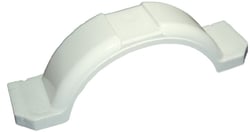
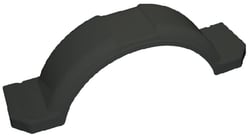


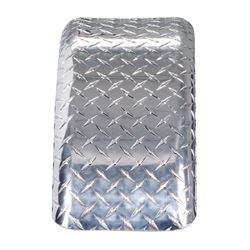
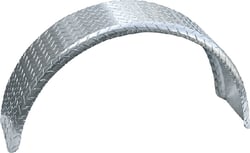
Tie Down Engineering 44836 Tread Brite Aluminum Trailer Fender 9" x 33.75" x 14.875"
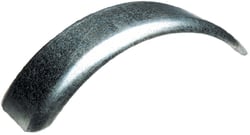
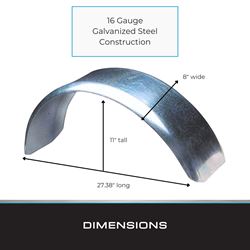
Tie Down Engineering 86266 Galvanized Steel Single Round Trailer Fender for 13 in. Wheels
Tie Down Engineering 86265 Galvanized Steel Trailer Fender for 12" Tires - 7" x 23.5" x 6.5"
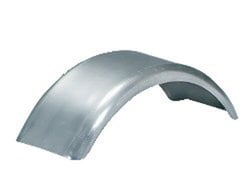
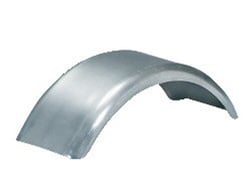
 Representative Photo, actual item may vary
What Are Trailer Fenders and Mounting Hardware?
Trailer fenders are the curved guards that arch over your trailer's wheels, and they serve a critical role that goes far beyond aesthetics. Whether you're towing a boat to the lake, hauling equipment to a job site, or pulling an RV to a campground, fenders shield your cargo, tow vehicle, and other drivers from rocks, mud, water, and road debris thrown up by spinning tires at highway speeds. Without properly fitted fenders, a blowout or loose gravel can become a serious hazard — for your trailer, your tow vehicle, and everyone sharing the road.
Why Mounting Hardware Matters as Much as the Fender Itself
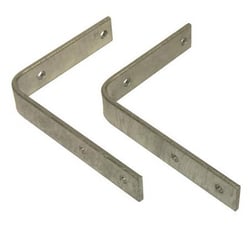
A fender is only as reliable as the hardware holding it in place. Mounting hardware — including L-shaped brackets, U-bolts, step brackets, and backing plates — secures the fender to the trailer frame and keeps it stable under the constant vibration and stress of highway towing. Poorly secured fenders can shift, rattle, or even detach at speed, creating road hazards and leaving tires exposed to damage. Quality mounting kits ensure the correct offset from the frame, maintain proper tire-to-fender clearance, and resist the corrosion that comes with marine and wet-weather environments.
Key Considerations When Choosing Trailer Fenders and Hardware
- Material: Fenders come in plastic (polyethylene or polypropylene), galvanized steel, and aluminum. Plastic fenders are lightweight and corrosion-resistant — ideal for boat trailers — while steel and aluminum fenders offer greater durability for heavy utility or equipment trailers.
- Axle configuration: Single-axle trailers require a different fender profile than tandem-axle setups. Tandem fenders are longer and must bridge the gap between two wheels, while single-axle fenders focus coverage over one wheel per side.
- Wheel and tire size: Fenders are sized to match specific wheel diameters, typically ranging from 8-inch to 16-inch wheels. Always verify tire diameter and width before selecting a fender to ensure proper clearance — most recommendations call for at least 3 inches of clearance between the tire and fender as the suspension compresses.
- Mounting method: Some fenders are designed to bolt on using bracket hardware, while others are weld-on applications. Bolt-on fenders with dedicated bracket kits are the most DIY-friendly option and allow for future adjustments or replacement.
- Corrosion resistance: For marine and trailering applications near saltwater, galvanized or stainless steel hardware is essential. Look for hardware rated for extended salt-spray exposure to maximize service life.
Top Brands in Trailer Fenders & Mounting Hardware
Buyers Products is a well-known manufacturer of truck and trailer equipment, offering fender mounting kits designed to work with their polyethylene fenders for dual-rear-wheel trucks and trailers. Their kits — available in black powder-coated steel and stainless steel finishes — include tube mounting brackets, frame bolts, and poly fender hanger brackets to provide a complete, hardware-ready installation solution for work trucks and trailers alike.