



Hubs
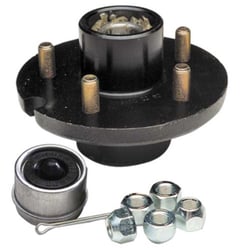

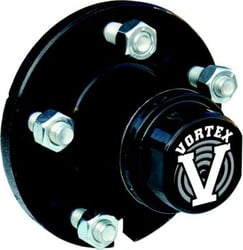
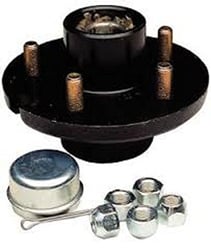
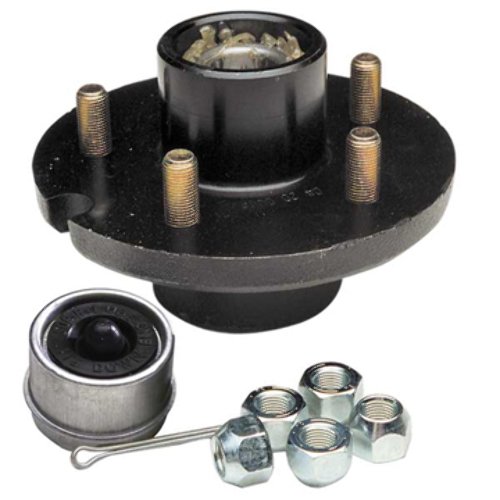 Representative Photo, actual item may vary
Dexter Marine Products K08-523-92 Vortex Hub Kit 1250 lb 5-Stud Idler Hub Pre-Greased
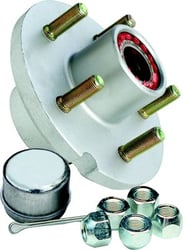
Dexter Marine Products K08-436-CA Replacement Wheel Hub Kit with Bearings and Seals
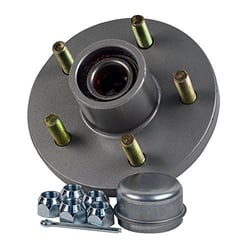
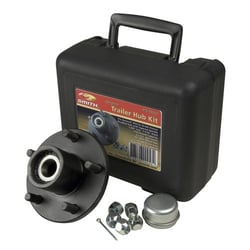
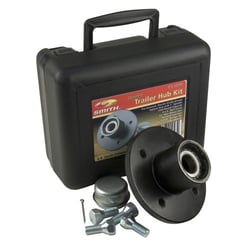
C.E. Smith 13515 Pre-Greased Trailer Hub Kit 5-Lug 1-3/8" to 1-1/16" Tapered Spindle 1750 lb

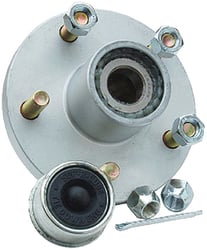
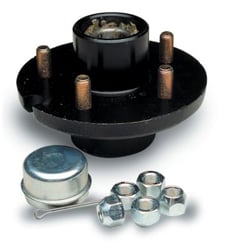
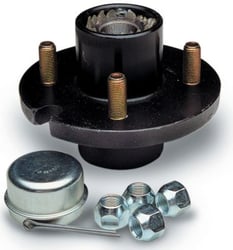
Dexter Marine Products 81049 Galvanized Super Lube Hub Kit 5 Stud 1750 lb Capacity
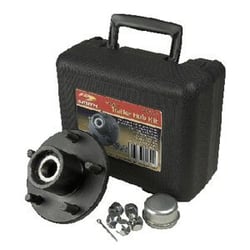
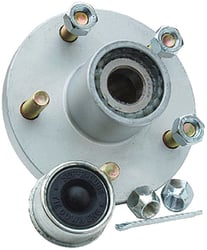
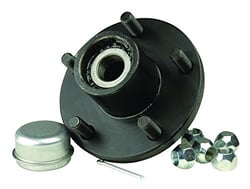
C.E. Smith 13511 Pre-Greased Trailer Hub Kit 5-Lug 1-3/8" to 1-1/16" Tapered Spindle 1750 lb
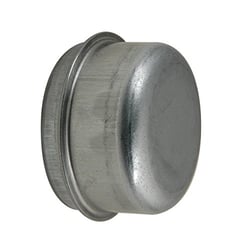
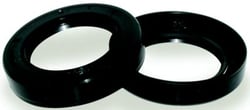
Dexter Marine Products K71-G01-80 Trailer Hub Grease Seals 1-3/8" Bearing (Pair)
 Representative Photo, actual item may vary
 Representative Photo, actual item may vary
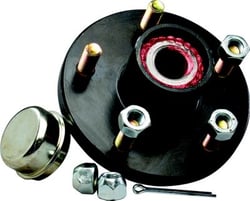
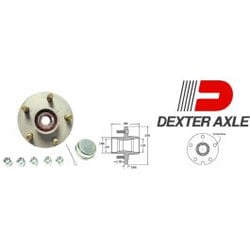
 Representative Photo, actual item may vary
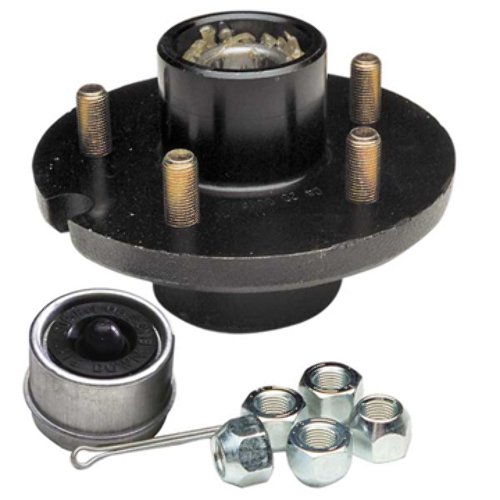 Representative Photo, actual item may vary
 Representative Photo, actual item may vary
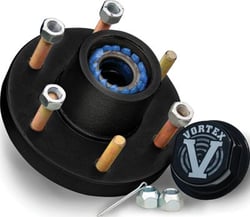
 Representative Photo, actual item may vary
Dexter Marine Products K08-436-C2 Super Lube Hub Kit with Bearings and Seals
 Representative Photo, actual item may vary
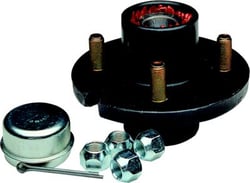
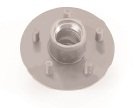 Representative Photo, actual item may vary

What Are Trailer Hubs and Why Do They Matter?
Trailer hubs are the unsung heroes of every successful towing trip. Trailer hubs serve as the central connection point between the wheel and the trailer's axle, allowing wheels to rotate freely while supporting the full weight of the trailer and its cargo. Without a properly functioning hub, a trailer simply cannot move efficiently or safely down the road — or down the boat launch.
At its core, a hub assembly spins on the axle spindle using inner and outer wheel bearings, and relies on seals to keep dirt, water, and contaminants away from those critical bearing surfaces. For boat trailer owners in particular, this last point is especially important: hubs are routinely submerged when launching and retrieving watercraft, making quality materials and proper lubrication absolutely essential to long-term reliability.
Key Components Inside a Trailer Hub
A complete hub assembly is made up of several interdependent components working in concert:
- Hub body — The cast iron or steel housing that mounts to the spindle and accepts the wheel studs
- Inner and outer bearings — Reduce friction between the spinning hub and the stationary axle spindle
- Bearing races (cups) — The hardened steel surfaces that the bearings roll against; should be replaced alongside bearings
- Grease seal — Prevents lubricant from escaping and keeps contaminants out of the bearing cavity
- Grease cap or oil cap — Protects the outer end of the hub and retains lubricant
- Wheel studs and lug nuts — Secure the wheel to the hub at a specified torque
Choosing the Right Hub for Your Trailer
Trailer hubs are not one-size-fits-all parts. They vary based on axle weight rating, bolt circle diameter, bearing sizes, and spindle type. Before purchasing a replacement hub, you'll need to know your axle's weight capacity, the number of wheel studs and bolt circle measurement, and the inner and outer bearing numbers stamped on your existing bearings. For most boat trailers, a 4- or 5-lug hub with a 4" to 4.5" bolt circle is standard, while cargo and utility trailers with heavier axles often use 5-lug or 8-lug configurations with larger bolt circles.
Routine maintenance is equally critical. Experts recommend inspecting and re-greasing hubs at least once a year or roughly every 10,000–12,000 miles — and more frequently for trailers used in wet or saltwater environments. Warning signs of hub trouble include grinding or humming noises from the wheels, excessive heat after a trip, or visible grease leakage around the hub area.
Top Brands in Trailer Hubs
When it comes to reliable trailer hubs, Dexter Axle stands as the industry benchmark. Dexter offers an extensive lineup of hubs and hub-drum assemblies covering axle capacities from 3,200 lbs. to 12,000 lbs. per axle, with options including corrosion-resistant coatings and marine-specific designs — making them a go-to choice for boat and RV trailer owners alike.
For performance-minded builders and racers who demand precision, DRP Performance brings an engineering-first approach to hub components. DRP's patented adjustable Hub Defenders and high-performance bearing kits are designed to run cooler and reduce maintenance intervals, offering a level of tolerance and adjustability that goes well beyond standard replacement parts.