



Clevis, Cotter & Quick Release Pins



The Small Hardware That Keeps Your Rig Standing
When it comes to sailing, it's easy to focus on sails, winches, and electronics — but few components are more mission-critical than the humble clevis pin, cotter pin, and quick release pin. These small pieces of rigging hardware are the connective tissue of your standing rigging, keeping shrouds, stays, turnbuckles, and chainplates locked together under enormous load. A missing or failed pin can have catastrophic consequences on the water, which makes selecting, inspecting, and replacing them a top priority for every sailor.
Clevis Pins vs. Cotter Pins vs. Quick Release Pins
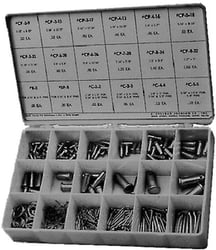
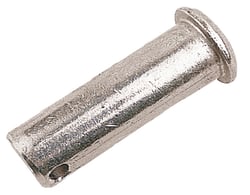
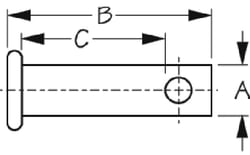
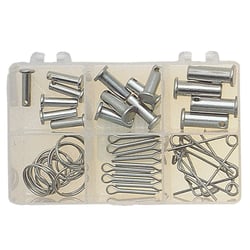
Understanding how each pin type works helps you choose the right hardware for every application. Clevis pins and cotter pins work in tandem: cotter pins prevent movement, while clevis pins support load — often significant amounts of it — which makes their selection, installation, and periodic inspection extremely important. Clevis pins are designed to bear shear loads at pivot points, such as where a shroud terminal attaches to a chainplate or where a turnbuckle connects to a toggle.
Cotter pins are used in numerous locations aboard a sailboat, most notably in the rigging. Turnbuckles are typically secured with cotter pins, and so are their clevis pins. Proper sizing matters: always select the largest cotter pin that fits the designated hole, as undersized or loose-fitting pins can be overpowered by the hardware they're meant to secure. In most marine applications, stainless steel is the material of choice for corrosion resistance, with 316-grade stainless preferred in submerged or taped-over applications where crevice corrosion is a concern.
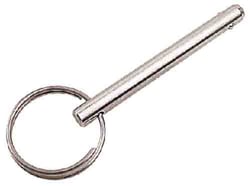
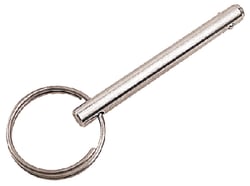
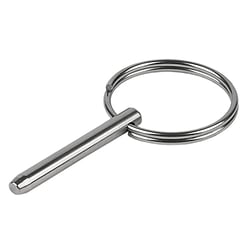
Quick release pins offer a practical solution for sailors who frequently raise and lower their masts, such as trailerable sailboat owners. Rather than wrestling with traditional cotter rings at the chainplates, quick release pins enable easy adjustments for sail handling and faster mast-raising sequences. That said, security is paramount — always ensure a quick release pin is properly engaged before sailing, especially in standing rigging applications.
What to Look for When Shopping
- Material: Marine-grade 304 or 316 stainless steel is strongly preferred for resistance to saltwater corrosion.
- Fit: Clevis pins should completely fill the hole into which they are inserted; a sloppy fit can lead to wear and possibly failure.
- Inspection: Before reinstalling any clevis pin, inspect both the pin and the fitting for signs of fretting, galling, or elongation.
- Application: Never substitute a common fastener, like a machine screw, in place of a clevis pin — fasteners are not designed to support moving shear loads.
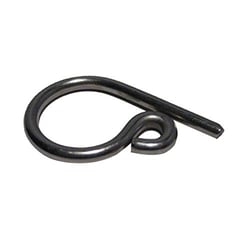
- Retention: Match your cotter pin style (hairpin, ring ding, or traditional) to your removal frequency and rigging setup.
Top Brands in Clevis, Cotter & Quick Release Pins
Moroso is the top-selling brand in this category, offering reliable fastening solutions trusted by performance-focused sailors. Their pin products deliver the precision fit and material quality that demanding rigging applications require.
Sea-Dog Line is one of the most recognized names in marine hardware, with a history stretching back to 1933. Their stainless steel release and cotter pins are a go-to for both recreational and commercial boaters, and the brand is known for its broad range of corrosion-resistant marine-grade components.
C. Sherman Johnson brings a legacy of precision marine rigging hardware to this category. Long respected among sailors for quality fittings and terminals, their clevis and cotter pin offerings reflect the same attention to dimensional accuracy that defines their broader rigging product line.