



Tongue Jacks
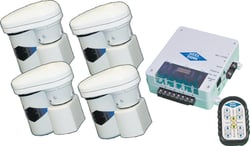

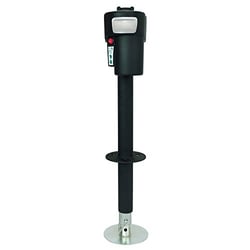

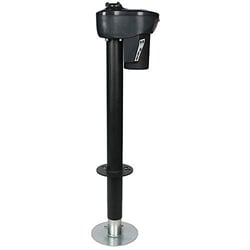
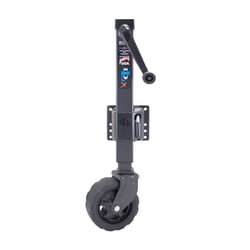

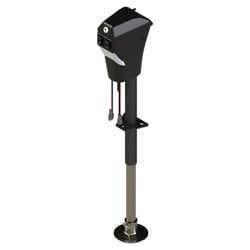
Lippert Components 421366 Electric Tongue Jack for Ground Control TT Leveling System

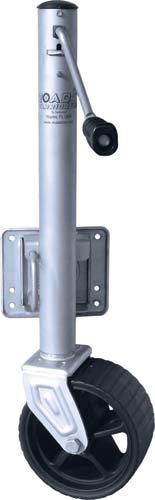 Representative Photo, actual item may vary


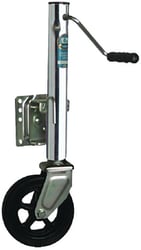
 Representative Photo, actual item may vary
Dutton-Lainson 22340 DLx-SF Swivel Trailer Tongue Jack 2000 lb Capacity with Footplate
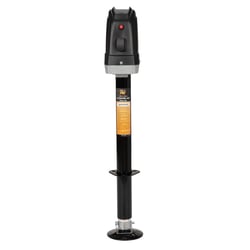

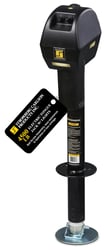
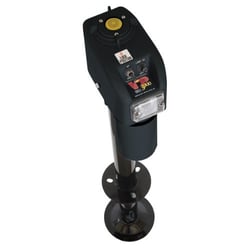

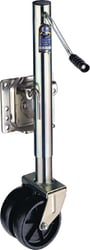
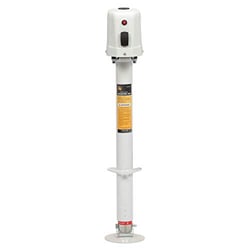
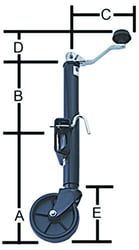
Fultyme RV 590-2102 Electric Trailer Jack 3500 lb Capacity 12V with Manual Override

 Representative Photo, actual item may vary
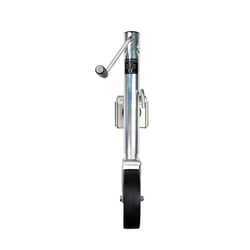

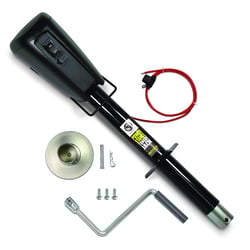
Lippert Components 813748 Power Stance Electric Tongue Jack 3,500 lbs with 2-Way to 7-Way Powering System
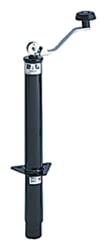

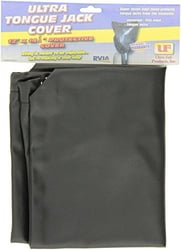
Ultra-Fab 38944020 Electric Tongue Jack Protective Cover for RV and Trailer A-Frame Jacks

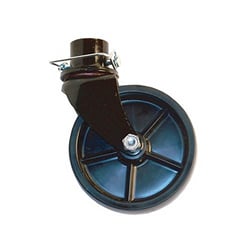
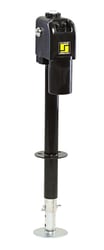

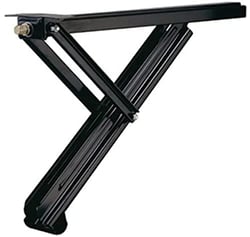
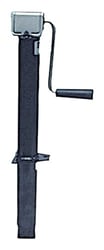
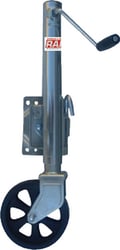

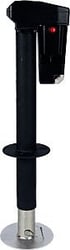
Ultra-Fab 38-944014 Ultra 4000 Electric Tongue Jack 4000 lb Capacity 2.25 Inch Tube
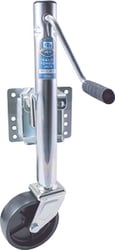
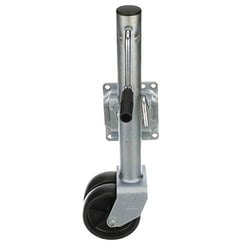


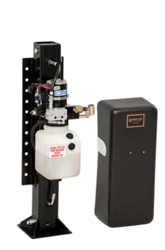

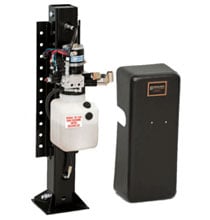
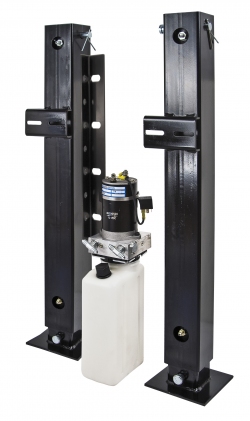 Representative Photo, actual item may vary
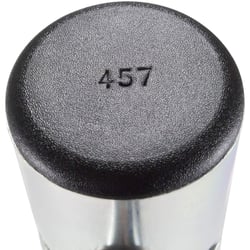
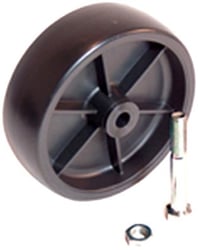
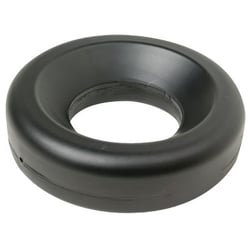
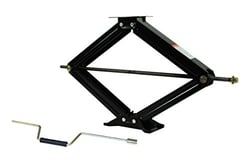
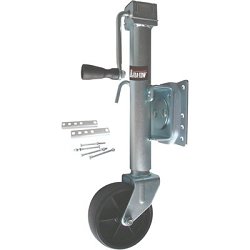
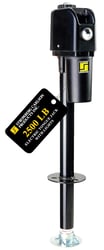
Stromberg Carlson JET-2500 Electric Tongue Jack 2500 lbs Capacity with Built-In Level
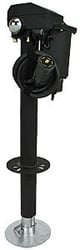
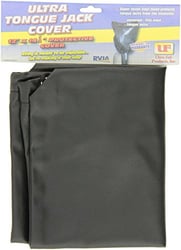
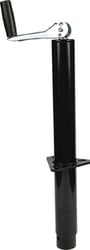
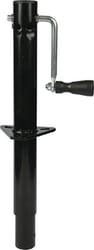
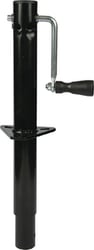
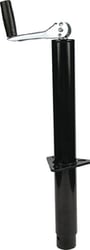
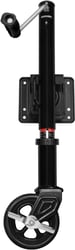
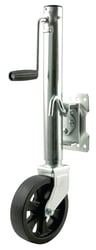
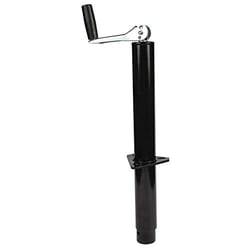
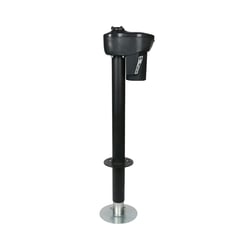
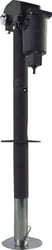
 Representative Photo, actual item may vary
Tie Down Eng 43525 Galvanized Trailer Jack 2" x 3" Tube 28.75" Length 1500-2200 lbs

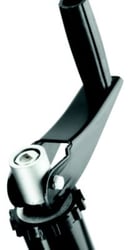
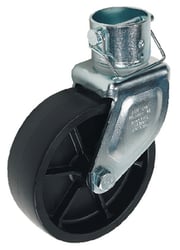
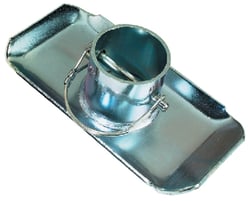

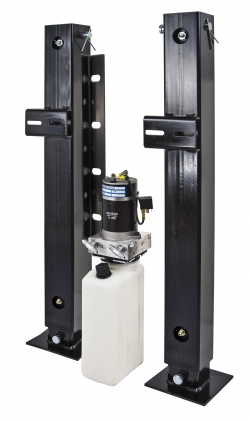 Representative Photo, actual item may vary

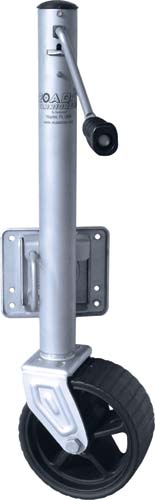 Representative Photo, actual item may vary
- 1
- 2
What Is a Tongue Jack and Why Do You Need One?
Tongue jacks are one of the most hardworking — yet often overlooked — pieces of trailering equipment you can own. Tongue jacks are mounted at the front of a trailer on the tongue, the forward-extending beam that connects to your tow vehicle's hitch ball. Their job is straightforward but essential: raise and lower the trailer tongue to make hitching and unhitching safe, precise, and far less physically demanding.
Without a tongue jack, coupling a loaded trailer to a tow vehicle would require brute-force effort or a second set of hands — sometimes both. With the right jack, one person can confidently raise the coupler above the hitch ball, back the vehicle into position, and lower the tongue onto the ball in a matter of minutes. Beyond hitching, tongue jacks also serve as a stabilizing support when the trailer is parked and disconnected, keeping the nose level and preventing an unloaded trailer from tipping forward.
Manual vs. Electric Tongue Jacks
Tongue jacks come in two primary drive types, each with its own set of trade-offs. Manual jacks use a hand crank to raise and lower the tongue — they tend to be more affordable and durable due to fewer moving parts, but can be physically demanding, especially with heavier trailers or weight-distribution hitch systems. Electric tongue jacks operate with the press of a button, drawing power from a 12-volt source, and make the entire hitching process dramatically easier. Many electric models also include a manual crank override so you're never stranded if power is unavailable.
Types of Tongue Jacks
The right tongue jack for your setup depends on your trailer's tongue style and weight rating. Common configurations include:
- Swivel (Fold-Up) Jacks — Rotate 90 degrees to a horizontal position during travel for maximum ground clearance. Ideal for low-riding and boat trailers.
- A-Frame Jacks — Designed specifically for A-frame trailer tongues; widely used on RV and utility trailers, available in both manual and electric versions.
- Drop-Leg Jacks — Feature a telescoping drop leg for a wider range of lift travel, well suited for heavy-duty applications.
- Marine Jacks — Built from corrosion-resistant materials like aluminum or zinc-plated steel to survive saltwater and brackish environments; often fitted with a wheel for easy maneuvering at the boat ramp.
Key Buying Considerations
Choosing the right tongue jack means matching it to your trailer's specific needs. Weight capacity is the most critical factor — as a general rule, your jack should be rated to handle at least 10–15% of your trailer's total gross weight. You'll also want to verify the jack's extended height clears your tow vehicle's hitch ball, and confirm that the mounting style (bolt-on vs. weld-on) and tube dimensions are compatible with your trailer tongue. For boat trailers specifically, corrosion resistance is a must.
Top Tongue Jack Brands
Seachoice is a go-to name for marine trailer accessories, and their tongue jack lineup reflects that expertise. Seachoice offers fold-up, heavy-duty drop-leg, and electric tongue jacks engineered with aluminum alloy or zinc-plated steel construction specifically for boat and powersport trailer use, with bolt-on swivel designs that fold flat for transport.
Ultra-Fab brings decades of RV accessory engineering to their tongue jack range. Their electric tongue jacks, including the Ultra Series and Phoenix Series, are built for A-frame trailers and are backed by industry-leading warranties, making them a trusted choice for travel trailer and cargo hauler owners alike.
Fultyme RV rounds out the lineup with RV-focused electric tongue jacks, such as their 3,500 lb capacity 12V model with manual override — a practical combination of powered convenience and mechanical backup for the full-time or weekend RV crowd.