



Trailer Plug Testers


What Are Trailer Plug Testers?
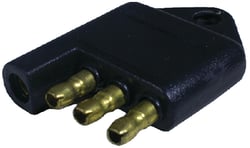
A trailer plug tester is a diagnostic tool designed to evaluate the electrical connections between a vehicle and its trailer. These devices help identify potential wiring problems, faulty connections, or any other issues that might compromise the proper functioning of the trailer's lights and brakes. Whether you're hitching up a boat trailer for a weekend on the water, heading out with a camper in tow, or hauling livestock, knowing your electrical connection is sound before you hit the road is not optional — it's essential.
Why Trailer Plug Testing Matters
The most obvious indicator of a wiring problem is that the trailer's brake or turn signal lights won't light up — but some wiring issues can be harder to detect, and narrowing down the specific problem can be even trickier. Plug testers play a beneficial role in helping ensure that a vehicle's electrical connections comply with industry standards and regulations — by verifying the functionality of each pin, these testers help guarantee that trailer lights, brakes, and other systems operate in a manner that meets or exceeds safety requirements.
You can isolate the problem by testing each pin and taking the necessary steps to fix it — a proactive approach that helps make sure your vehicle and cargo are safe while reducing downtime and repair costs. Common culprits include corrosion on the pins that disrupts the connection, loose connections on either the truck or trailer end, and damaged or frayed wires that need replacement.
How Do Trailer Plug Testers Work?
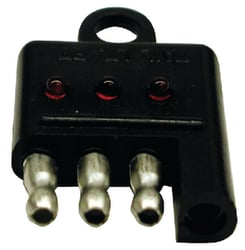
A trailer wiring tester works by plugging into the connector socket on your vehicle and responding to the various electrical signals produced by pushing the brake pedal, signaling a turn, turning on the running lights, and so on. These testers typically consist of a compact unit with multiple sockets that mimic the various pins found in trailer plugs — labeled according to industry standards, making it easy for users to identify and address specific issues — and may also be equipped with indicator lights to provide visual feedback on the status of each connection. Some advanced models may include audible alarms or digital displays for a more comprehensive analysis.
Connector Types and Compatibility
Not every trailer plug tester fits every connector. Four-way flat plugs provide connections for turn signals and taillights (with a ground wire as the fourth connection); five-way flat plugs add an extra wire for auxiliary power or brake lights; six-way round or rectangular plugs add more capability; and seven-way round plugs add an additional connection for auxiliary power or backup lights. You'll need to make sure your tester fits your tow vehicle's socket — though some testing kits come with multiple attachments, letting you use the same kit to test more than one kind of wiring system.
Pollak Trailer Plug Testers
Established in 1909 by Joseph Pollak as a tool and die shop in Boston, Massachusetts, Pollak has been providing innovative designs, reliable manufacturing, and high-quality parts for more than 100 years. Pollak is a world leader in Original Equipment trailer wiring connectors, adapters, and extensions, and all their aftermarket products share the same quality and reliability as those made for vehicle manufacturers. When it comes to plug testers specifically, Pollak trailer plug testers are known for their accuracy and ease of use, helping quickly diagnose wiring issues and making them essential for anyone dealing with trailer connections. Explore the full range of Pollak Trailer Plug Testers to find the right diagnostic solution for your rig.
What to Look for When Shopping
- Connector compatibility: Match the tester to your plug type — 4-way flat, 5-way flat, 6-way round, or 7-way blade.
- LED indicators: LED lights that indicate specific functions — brake, turn, tail, stop, reverse, and 12V — make it easy to confirm exactly what's working and what isn't.
- Portability: Compact designs are ideal for keeping in your tow vehicle's toolbox for roadside checks.
- Multi-adapter kits: The most comprehensive testing kits have multiple adapters that can fit practically any wiring setup.