



Lug Nuts & Bolts

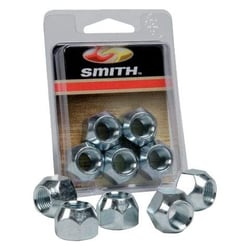


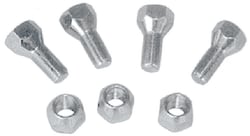


 Representative Photo, actual item may vary

Why Trailer Lug Nuts & Bolts Are a Critical Safety Item
When you're hauling a boat to the lake or towing a camper down the highway, the last thing you want to think about is wheel separation — yet that's exactly what can happen when lug nuts and bolts are worn, corroded, or improperly torqued. Unlike passenger-car hardware, trailer wheel fasteners face a punishing combination of road vibration, submersion near boat ramps, exposure to road salt, and the intermittent loading cycles that come with trailering. Replacing or upgrading your trailer's lug nuts and bolts is one of the simplest, most cost-effective maintenance steps any trailer owner can take.
Understanding Trailer Lug Nuts vs. Lug Bolts
Trailer hubs fall into two basic categories: studded hubs, which use lug nuts threaded onto fixed wheel studs, and threaded hubs, which accept lug bolts (also called wheel bolts) that thread directly into the hub. Before ordering, confirm your hub type, stud or bolt diameter, thread pitch, and seat angle — most trailer applications use a 60-degree conical (acorn) seat that centers the wheel during tightening. Common thread sizes in the trailering world include 1/2"-20 and 7/16"-20, so double-check your existing hardware before making a purchase.
Finish matters just as much as thread spec. Zinc-plated steel offers solid corrosion resistance for freshwater environments, while chrome-plated options provide an added aesthetic appeal. For saltwater or coastal applications, inspect your hardware more frequently and replace at the first sign of pitting or rust.
What to Check Before You Launch
- Torque specification: Under-torqued nuts can loosen from vibration; over-torqued nuts can stretch studs or crack hubs. Always torque to the hub manufacturer's spec and re-check after the first 50 miles.
- Thread condition: Cross-threading or stripped threads are safety hazards. Inspect both the nut/bolt and the stud or hub threads before installation.
- Corrosion: Surface rust on zinc-plated hardware can reduce clamping force over time. Replace hardware showing heavy pitting or scale.
- Seat contact: Make sure the conical seat of the lug nut is fully mating with the wheel seat — improper seating is a leading cause of wheel loosening under load.
Top Brands for Trailer Lug Nuts & Bolts
Stemco is a name synonymous with heavy-duty wheel-end engineering. Stemco's axle fasteners are part of a broader wheel-end ecosystem that includes bearings, seals, and hub caps — all engineered to work together for maximum reliability. Their Pro-Torq® axle spindle nut line is purpose-built to deliver precise bearing adjustment and reduce seal failure, making Stemco a go-to choice for commercial trailers and serious tower alike.
C.E. Smith has long been a trusted name in boat trailer hardware. C.E. Smith manufactures a broad range of trailer lug nuts and lug bolts in zinc-plated and chrome-plated finishes, sized to fit the most commonly used trailer hubs — making them a practical, no-fuss solution for everyday boat trailer maintenance and repair.
Seachoice is a well-known marine accessories brand offering a wide variety of boat trailer components, including wheel hardware suited for freshwater and coastal trailering environments. Their products are widely available and designed with the weekend boater in mind.
Husky Towing brings its towing expertise to trailer wheel hardware, offering fasteners built to handle the rigors of regular trailering. Husky is respected throughout the towing industry for producing durable, dependable components that keep up with demanding haul schedules.