



Trailer Connectors
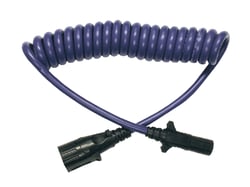

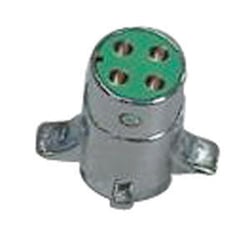
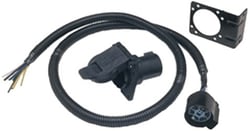

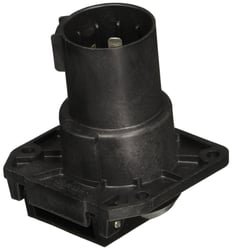
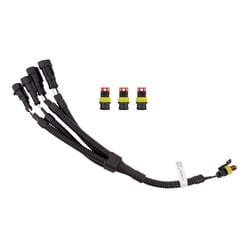

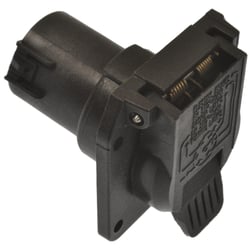
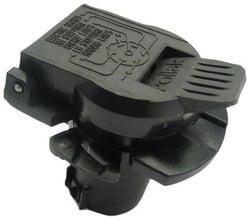
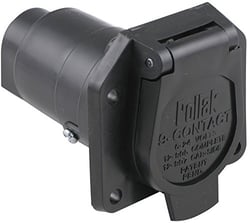


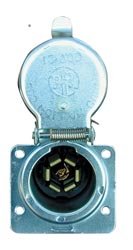
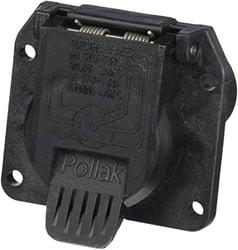
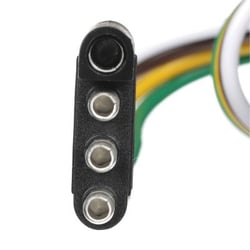

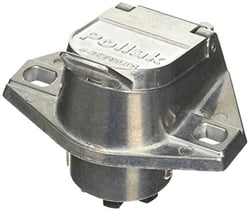
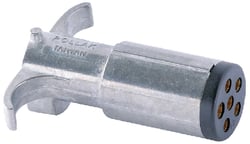
 Representative Photo, actual item may vary
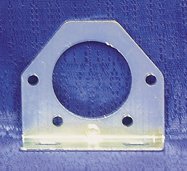
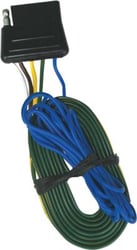
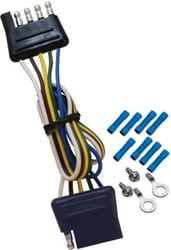
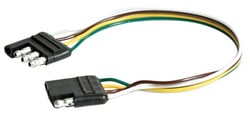

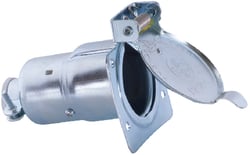

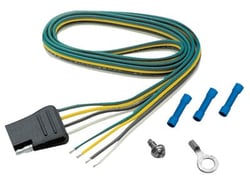


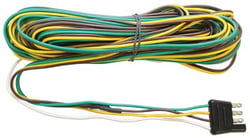
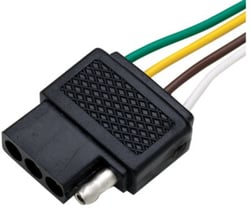
Seachoice 57971 4-Way Flat Trailer Side Wiring Harness 24" with Separate Tail Light Wires
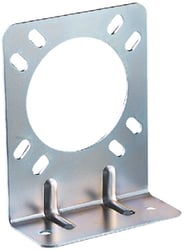
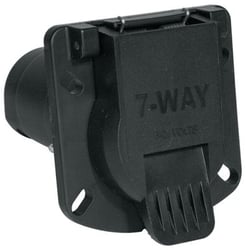
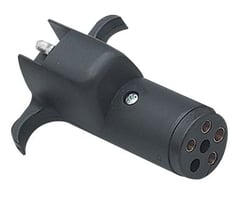
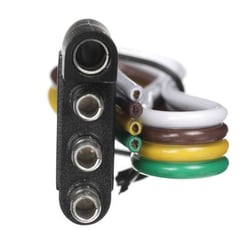
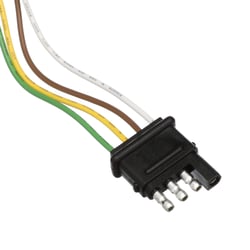
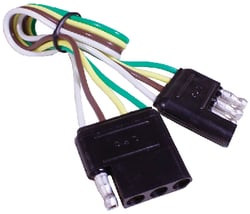

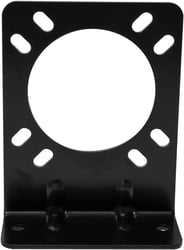

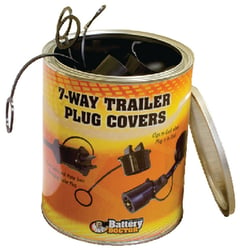
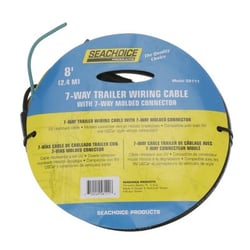
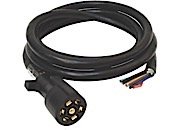
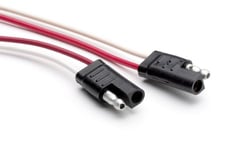


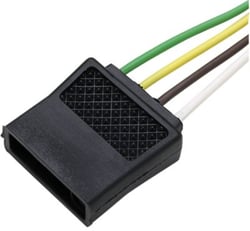
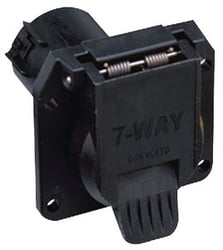
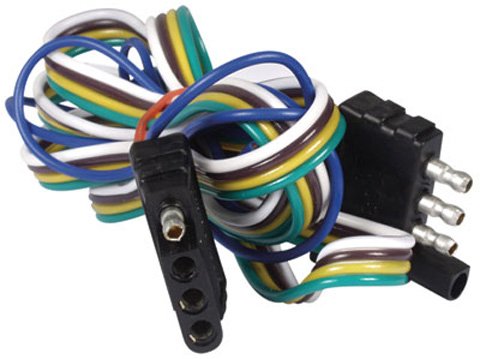 Representative Photo, actual item may vary
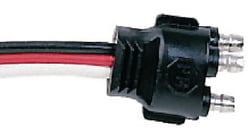
Optronics AL145PWTBP Female Weathertight Pigtail Connector with Male PL3 Plug

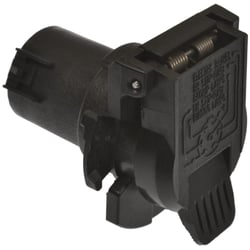
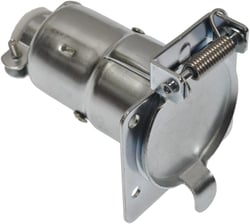
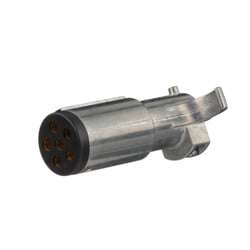
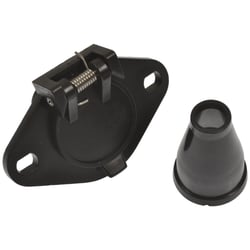


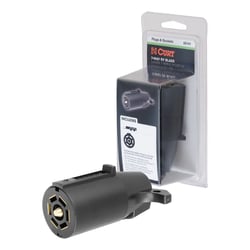

What Are Trailer Connectors and Why Do They Matter?
Trailer connectors are the essential electrical link between your tow vehicle and trailer. Every time you hook up a boat trailer, cargo hauler, camper, or utility trailer, these plugs and sockets are what keep your trailer's brake lights, turn signals, running lights, and electric brakes synchronized with your vehicle — a critical safety requirement on any road. A failed or corroded connector doesn't just mean a dark trailer; it can mean failed inspections, traffic citations, or worse, a rear-end collision caused by a following driver who couldn't see your trailer braking.
Types of Trailer Connectors
Trailer connectors come in several configurations to match different trailer setups and towing needs:
- 4-Way Flat – The most common connector for basic trailers, carrying running lights, brake lights, and left/right turn signals.
- 5-Way Flat / Round – Adds an auxiliary circuit for powering trailer accessories or electric brakes on smaller trailers.
- 6-Way Round – Common on horse trailers and some utility trailers, adding a dedicated brake or auxiliary circuit.
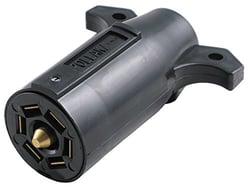
- 7-Way Blade (RV-style) – The standard for larger trailers, RVs, and fifth wheels, providing electric brake control, a 12V auxiliary power supply, and a reverse/backup light circuit in addition to all standard lighting signals.
Key Considerations When Shopping for Trailer Connectors
Before buying, confirm the connector style on both your vehicle and your trailer. Mismatched connectors are common when buying a used vehicle or trailer, making adapters a frequent purchase alongside new connectors. Consider the environment: connectors used on boat trailers or in wet climates benefit greatly from weatherproof or corrosion-resistant housings. For heavy-duty applications like gooseneck and fifth-wheel setups, solid brass terminals and encapsulated molded construction provide superior long-term reliability over bare terminal designs.
Top Trailer Connector Brands
Hopkins Towing Solutions is widely recognized as the industry leader in towing electrical products. Founded in 1953, Hopkins covers virtually every connector configuration — from vehicle-side and trailer-side plugs to multi-tow adapters — and their innovations are behind a significant share of the category's retail sales.
Draw-Tite brings decades of towing expertise to its connector lineup. In the towing world since 1946, Draw-Tite's 7-way connectors are engineered with features like non-corrosive thermoplastic housings and solid brass terminals, making them a trusted complement to their hitch systems.
Pico Wiring (Pacific Industrial Components) is a go-to source for a broad range of electrical components. Pico's trailer connector lineup spans flat, round, and multi-pole configurations along with complete connector kits that include color-coded wiring, polarized plugs, mounting brackets, and splice connectors — ideal for both repair and new installations.