



Roller Shafts


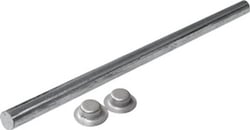
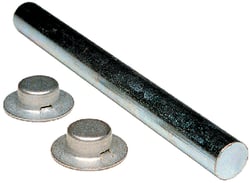

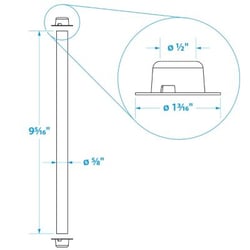


Tie Down Engineering 86187 Galvanized Roller Shaft Kit 5/8" x 9-1/4" with Pal Nuts
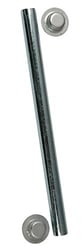
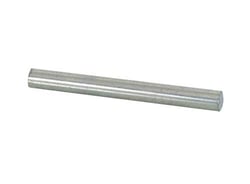
C.E. Smith 10726A Roller Shaft 11-1/8 in. x 5/8 in. Zinc-Plated Steel with Pal Nuts

Tie Down Engineering 86025 Zinc-Plated Roller Shaft 1/2 in. x 5-1/4 in. with Pal Nuts
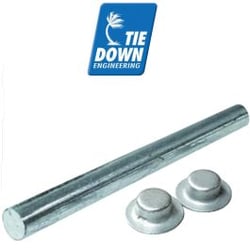
Tie Down Engineering 86028 Zinc-Plated Roller Shaft 5/8 in. x 6-1/4 in. with Pal Nuts
Tie Down Engineering 86026 Zinc-Plated Roller Shaft 1/2 in. x 6-1/4 in. with Pal Nuts
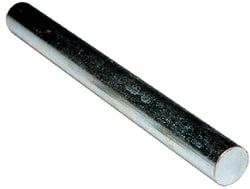
Tie Down Engineering 86041 Zinc-Plated Boat Trailer Roller Shaft 5/8 in. x 13-1/4 in.
Tie Down Engineering 86033 Boat Trailer Roller Shaft 5/8in x 19-1/4in with Pal Nuts
Tie Down Engineering 86030 Zinc-Plated Roller Shaft 5/8 in. x 11-1/4 in. with 2 Pal Nuts
Tie Down Engineering 86029 Zinc-Plated Boat Trailer Roller Shaft 5/8" x 9-1/4" with Pal Nuts
Tie Down Engineering 86188 Galvanized Roller Shaft Kit 5/8" x 11-1/4" with Pal Nuts
Tie Down Engineering 86186 Galvanized Roller Shaft Kit 5/8" x 6-1/4" with Pal Nuts
Tie Down Engineering 86185 Galvanized Roller Shaft 5/8 in. x 5-1/4 in. with Pal Nuts
Tie Down Engineering 86184 Galvanized Boat Trailer Roller Shaft Kit 1/2" x 6-1/4"
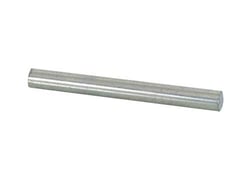
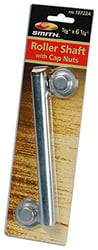
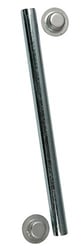
C.E. Smith 10730A Roller Shaft with Cap Nuts 5/8" x 19" Boat Trailer Replacement
 Representative Photo, actual item may vary
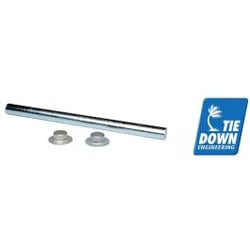
 Representative Photo, actual item may vary
What Are Boat Trailer Roller Shafts?
Roller shafts are the steel pins that pass through the center of each roller on a boat trailer, anchoring the roller to its mounting bracket and allowing it to spin freely. Without a sound roller shaft, there is no roller system — and without a functioning roller system, loading and unloading your boat becomes a much rougher proposition. As the structural backbone of every keel roller, bow roller, and spool roller on your trailer, these small components carry an outsized responsibility every time you back down a ramp.
Why Roller Shafts Matter for Trailering
Roller shafts do more than just hold rollers in place. Each roller turns on a shaft held by a roller bracket, so a complete repair sometimes means replacing the shaft along with the roller itself. When shafts are in good shape, launching and retrieving is a controlled, low-effort process — but when they corrode or seize, the hull can drag, sit off-center, and take damage instead of gliding smoothly onto the trailer.
Saltwater boaters face a particular challenge: salt accelerates corrosion, and a seized shaft turns a spinning roller into a static contact point that can scrape and stress a boat's gelcoat. That is why most quality roller shafts are zinc-plated steel — offering corrosion resistance in demanding marine environments. Some applications call for stainless steel shafts for even greater longevity.
How to Choose the Right Roller Shaft
Selecting the correct replacement shaft comes down to two measurements: diameter and length. Most trailer rollers are designed to fit either a 1/2-inch or 5/8-inch diameter shaft, so always match the shaft diameter to your roller's inner bore. Length is determined by the width of the roller itself plus the thickness of the mounting brackets on each side — shafts are intentionally longer than the rollers they support to accommodate the bracket walls and the pal nuts that lock everything in place. For example, a 13.5-inch shaft is typical for a 12-inch roller. Always apply marine-grade grease during installation to ensure the roller spins freely and the shaft resists corrosion from the first use.
Top Brands for Boat Trailer Roller Shafts
C.E. Smith is one of the most recognized names in the marine trailering market. The North Carolina-based manufacturer produces precision stampings and a comprehensive line of replacement parts — including roller shafts, rubber rollers, galvanized bracketry, and more — for small to mid-size boat trailers. Their roller shafts are original-equipment quality and engineered to work seamlessly with their full roller lineup.
Seachoice is a trusted source of OEM-grade marine accessories manufactured to rigorous standards. Their zinc-plated steel roller shafts come packaged with two pal nuts, making them a convenient all-in-one replacement option available in both 1/2-inch and 5/8-inch diameters to suit a wide range of trailer configurations.
Tie Down Engineering brings deep expertise to roller shaft design, offering zinc-plated steel shafts packaged with cap nuts for easy installation. Their shafts are engineered to withstand road load and absorb shock, complementing their broader line of bow rollers and keel roller assemblies.
SeaSense rounds out the category with a selection of roller shaft options suited to budget-conscious boaters looking for reliable replacement hardware without sacrificing the fitment accuracy needed for proper trailer performance.
Maintenance Tips
- Spin each roller by hand before and after every outing to confirm free rotation.
- Inspect shafts regularly for rust, bending, or wear — especially at the ends near the pal nuts.
- Replace shafts immediately if a roller no longer spins freely, as a seized roller can damage your hull.
- Apply marine-grade grease during every shaft replacement to extend service life.