



Clevis, Cotter & Quick Release Pins
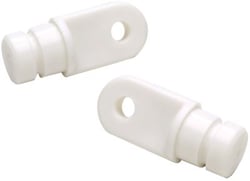

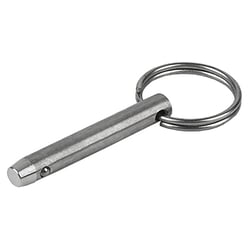
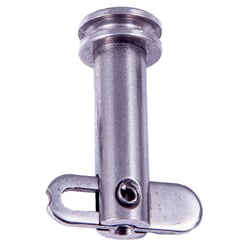
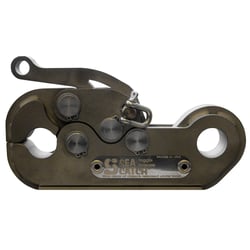

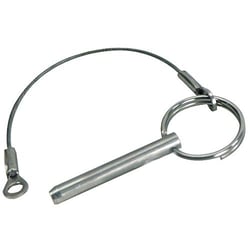
Whitecap Industries S1019C Stainless Steel Quick Release Pin with Lanyard 1/4" x 1-5/8"

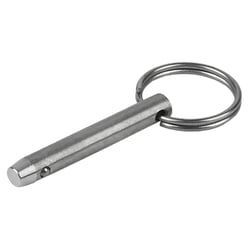
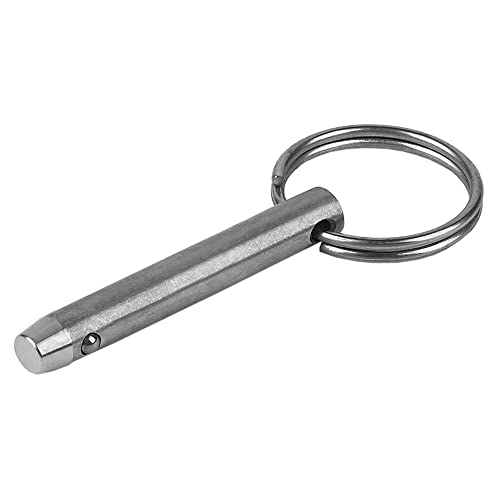 Representative Photo, actual item may vary

The Small Pins That Hold Everything Together
When you look at a well-rigged sailboat, the eye naturally goes to the sails, the mast, and the running rigging — but it's the small, unassuming pins hidden in every turnbuckle, chainplate, and forestay attachment that make the whole system work. Clevis pins, cotter pins, and quick release pins are the critical fasteners that connect your standing rigging to the boat's structure, and understanding them is essential for any sailor who values both performance and safety.
What Each Pin Does
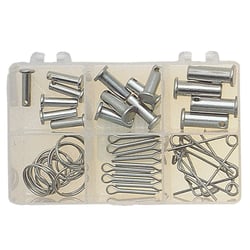
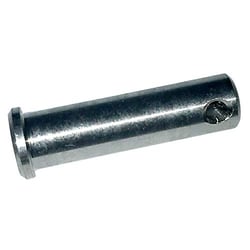
Clevis pins are cylindrical stainless steel fasteners designed to pass through aligned holes in rigging fittings, shackles, and chainplates. As the Rigging Doctor notes, the pin and hole are engineered to such a close fit that shear forces are distributed evenly, making the assembly remarkably strong under load. Because they support load — often the full tension of a shroud or stay — correct sizing is critical. A pin that is too small for its hole will concentrate stress at a single point and can fail at a fraction of the intended load.
Cotter pins work in tandem with clevis pins to retain the assembly. While the clevis pin carries the load, the cotter pin prevents the clevis pin from walking out of its hole. Proper installation matters: cotter pin legs should be splayed only about 10–15 degrees so they can hold without overstressing the metal, and the head should always face upward so that even a partially failed cotter pin is held in place by gravity during a rig inspection.
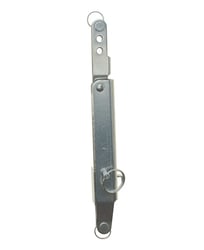
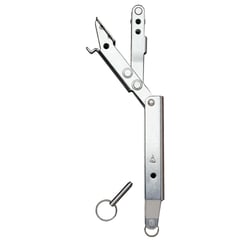
Quick release pins — including ball-lock push-button styles and Hyfield-type levers — offer a practical alternative for sailors who frequently rig and de-rig, such as trailer sailors. They allow fast, tool-free disconnection of forestays and shroud attachments. However, their use in standing rigging requires careful attention: regular inspection of the locking mechanism is essential, as a failed ball-lock can allow the pin to disengage under load.
What to Look for When Shopping
- Material: Marine-grade 316 stainless steel is the standard for corrosion resistance in saltwater environments.
- Fit: Always match the pin diameter precisely to the hole in the fitting — a sloppy fit dramatically reduces load capacity.
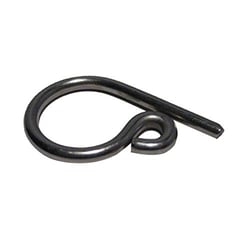
- Retention method: Traditional cotter pins offer maximum security for permanent standing rigging; ring dings (cotter rings) are easier to install and remove; quick release pins are best reserved for running rigging or frequently serviced connections.
- Inspection: Check all pins periodically for signs of fretting, galling, or elongation of the hole, and never reuse bent cotter pins.
Top Brands for Sailing Pins & Rigging Hardware
Sea-Dog Line is one of the most recognized names in marine hardware, with a history stretching back over 80 years. Known for their wide range of corrosion-resistant rigging and deck hardware — produced in materials including marine-grade stainless steel, brass, and bronze — Sea-Dog is a trusted choice for both recreational and commercial boaters who need reliable, workhorse-quality fasteners.
C. Sherman Johnson has been designing and manufacturing stainless steel rigging hardware since 1958, and today holds the distinction of being America's leading manufacturer of stainless steel cable fittings. Their quick release levers and shroud adjusters — including the well-regarded Hyfield-type quick release lever — are specifically engineered for sailboat rigging applications and manufactured in the USA, making them a go-to for sailors who demand precision hardware.