



Anchor Pulley/Locks
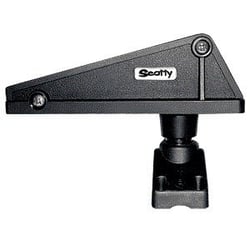

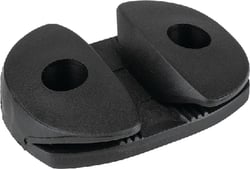

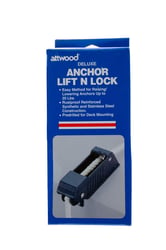

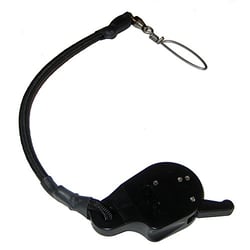

 Representative Photo, actual item may vary

What Are Anchor Pulleys and Locks?
Anchor pulleys and locks are essential pieces of marine hardware that give boaters mechanical control over their anchor systems. A pulley — sometimes called a block — redirects the load of an anchor line, reducing the effort required to haul an anchor up from the bottom. An anchor lock (or line lock/cleat lock) secures the anchor rode in place so the boat stays fixed at the desired position without requiring constant tension on the line. Together, these components form a reliable, low-effort anchoring system suited for everything from small fishing boats and pontoons to larger cruising vessels.
Why Anchor Pulleys and Locks Matter
Anchoring might seem straightforward, but without the right hardware, it can quickly become a safety issue. An improperly secured anchor line can slip, allowing a boat to drift into other vessels, shallow water, or hazardous shorelines. Anchor pulleys and locks take the guesswork out of the equation by giving boaters a positive, mechanical hold on the rode — no knots to come loose, no cleats to slip under load.
Beyond safety, these components reduce physical strain. Hauling a heavy anchor by hand from depth is tiring work. A properly rigged pulley system multiplies your pulling force, making retrieval faster and easier — a benefit that adds up quickly on long anchoring days or when anchoring in deeper water. Boaters who anchor frequently in sandy, muddy, or weedy bottoms where anchors tend to dig in will especially appreciate the mechanical advantage a pulley system provides.
What to Look For When Shopping
- Material: Marine-grade materials are non-negotiable. Look for stainless steel, anodized aluminum, or UV-stabilized nylon that won't corrode in saltwater or degrade under intense sun exposure.
- Load Rating: Match the working load limit of the pulley or lock to your boat size and anchor weight. Always leave a comfortable safety margin.
- Compatibility: Check the line diameter range the pulley or lock accepts — different products accommodate different rode thicknesses.
- Ease of Use: Look for designs with smooth-rolling sheaves (wheels) in pulleys, and cam-style or cleat-style mechanisms in locks that release quickly under load.
- Mounting Style: Consider whether the pulley needs to attach to a bow roller, a deck eye, or a rail fitting, and choose hardware that suits your boat's existing setup.
Top Brands in Anchor Pulleys & Locks
Attwood Marine is one of the most recognized names in recreational boating accessories, with decades of experience engineering practical marine hardware trusted by boaters across North America. Their anchoring products are designed with ease of use and durability in mind, making them a solid choice for weekend boaters and serious anglers alike.
Sea-Dog Line has a long-standing reputation for producing corrosion-resistant marine hardware engineered for both recreational and commercial boating applications. Sea-Dog Line designs hardware for harsh marine environments, and their anchoring components reflect that commitment to rugged, reliable construction.
Seachoice rounds out the lineup with a broad catalog of boating essentials designed to deliver reliable performance at an accessible price point — a popular option for boaters who want dependable anchoring hardware without overcomplicating their setup.